 Illustration
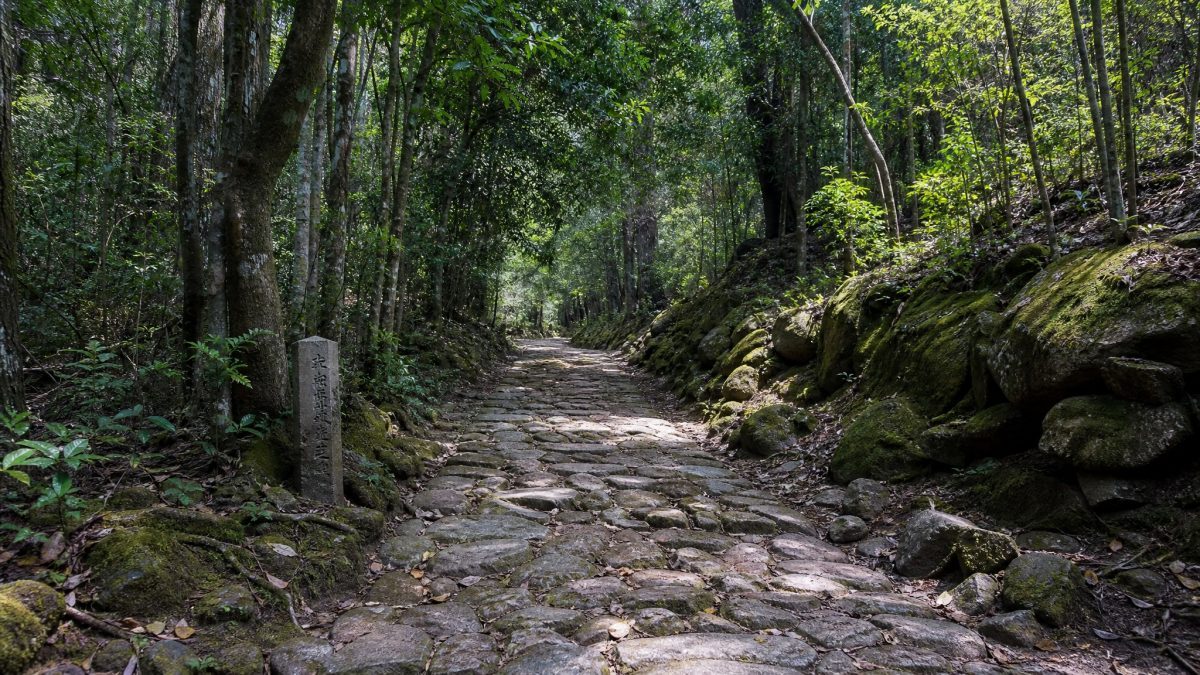
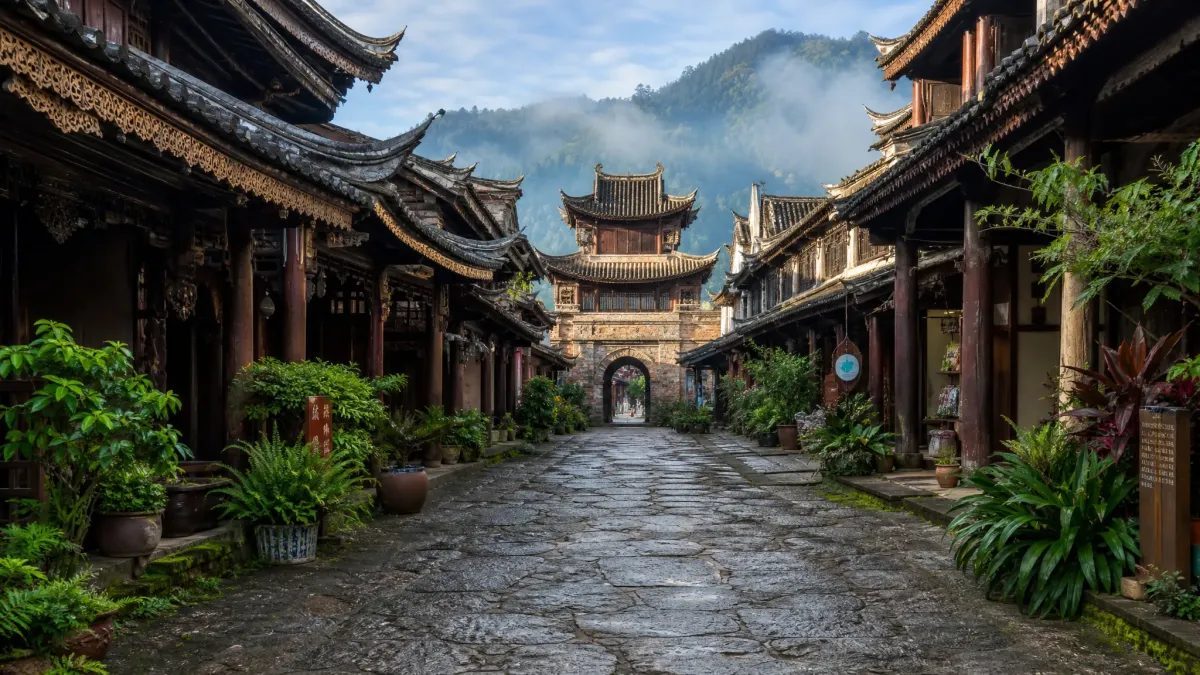
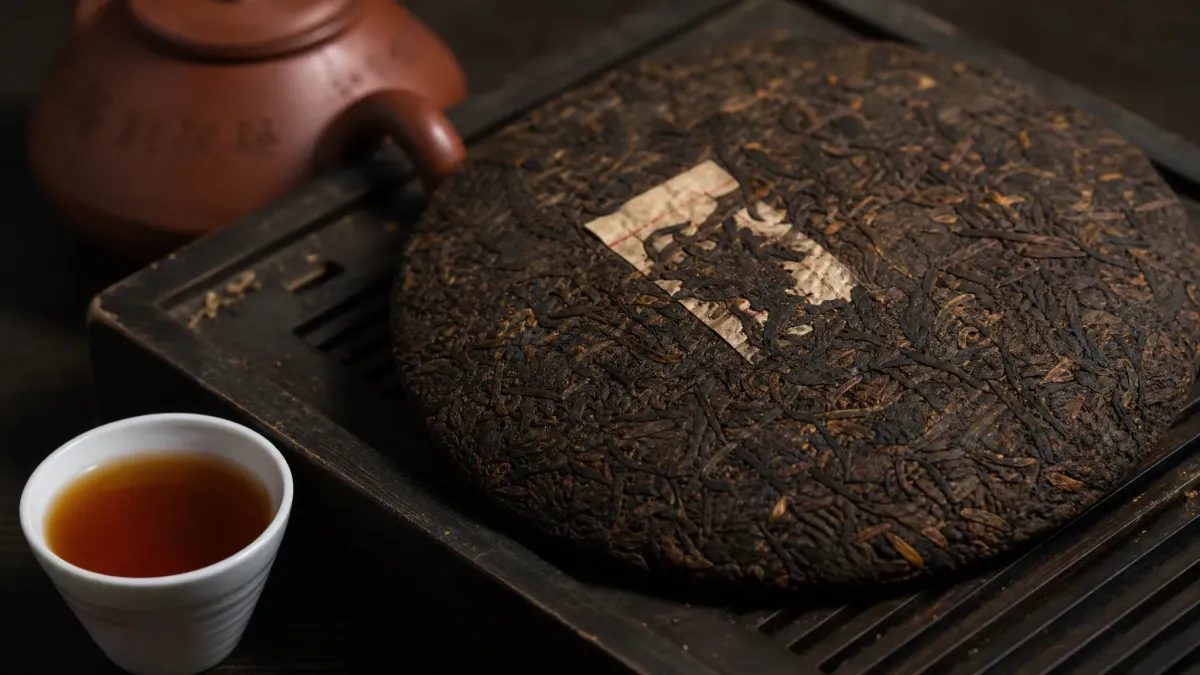
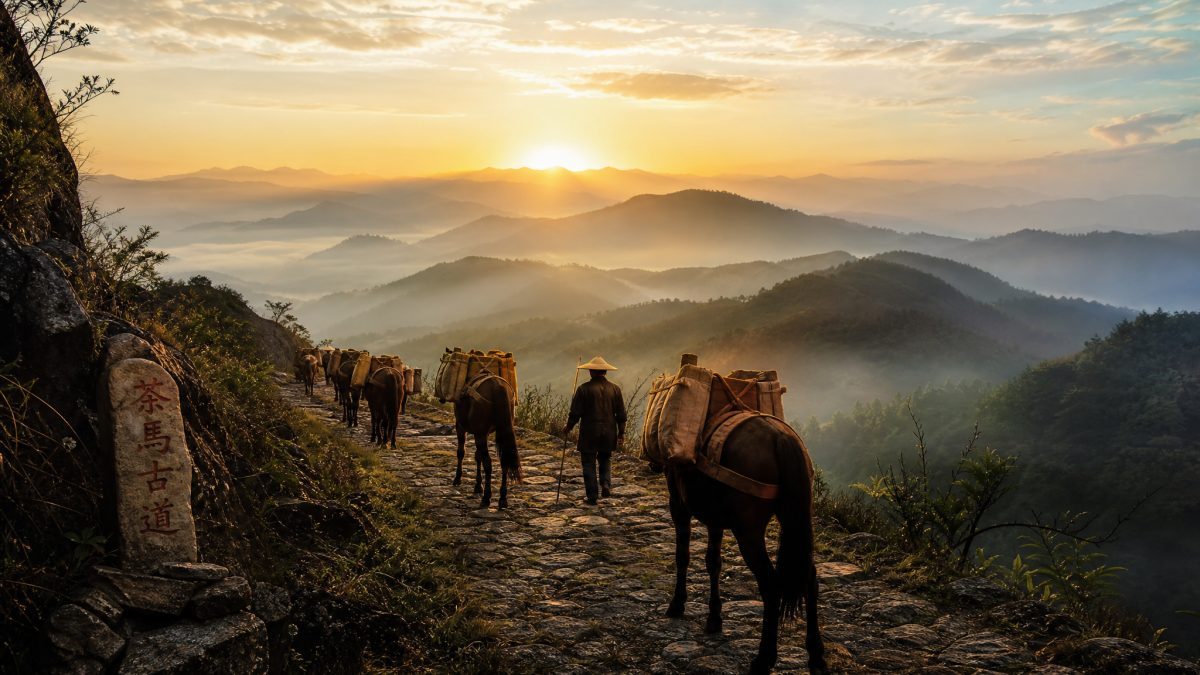
Pu'er gives its name to the tea, and the tea was carried out of here on the Tea Horse Road to Tibet, Mongolia and Southeast Asia for a thousand years, pressed into cakes because cakes travel. What makes it different from every other Chinese tea is that it's meant to change after you buy it: it's post-fermented, it keeps developing in storage, and a well-kept cake can improve for decades. That has produced a collector market with the price behaviour of fine wine, and the same terroir arguments attached.
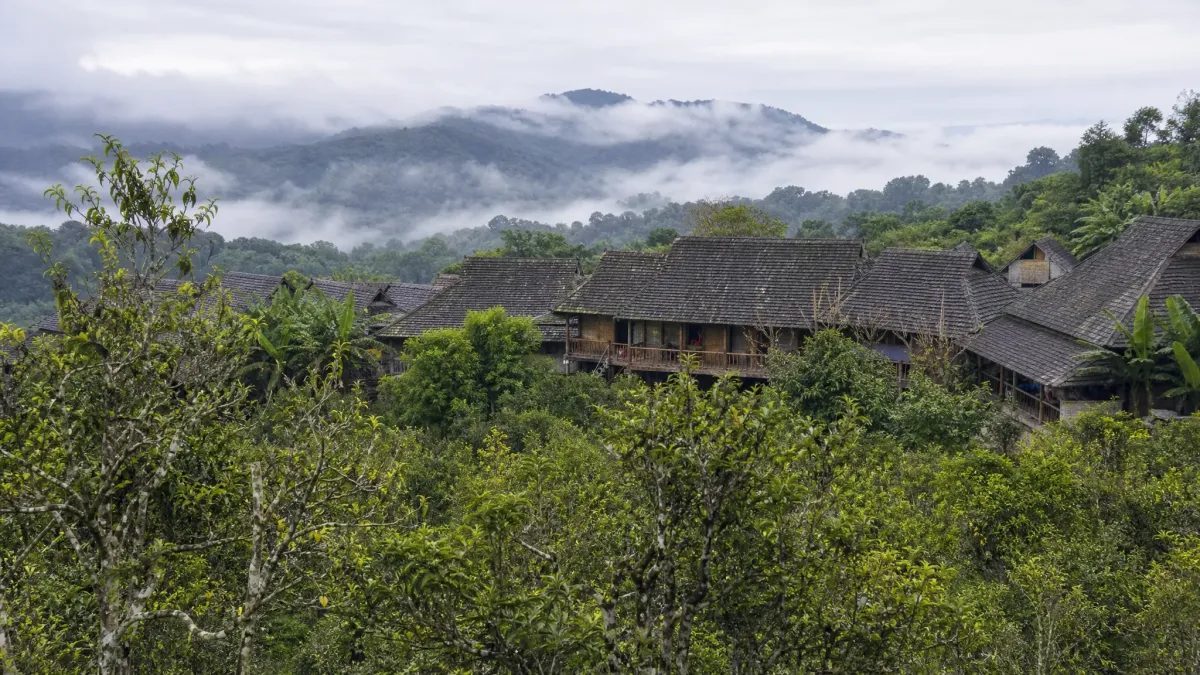
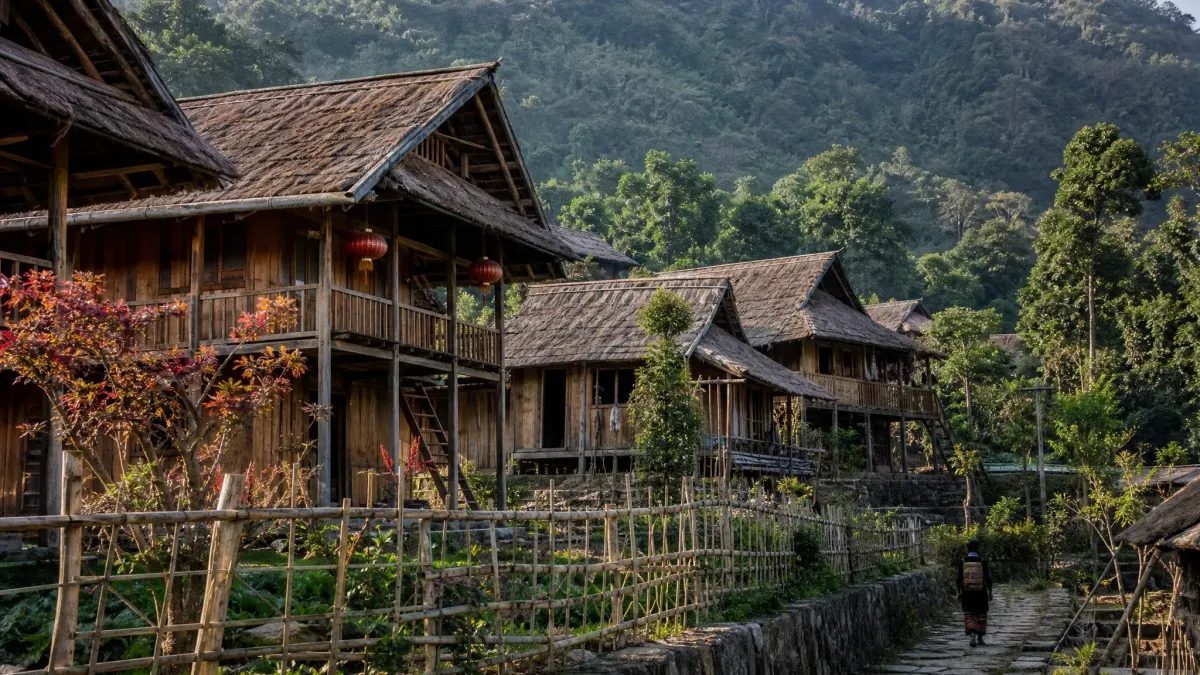
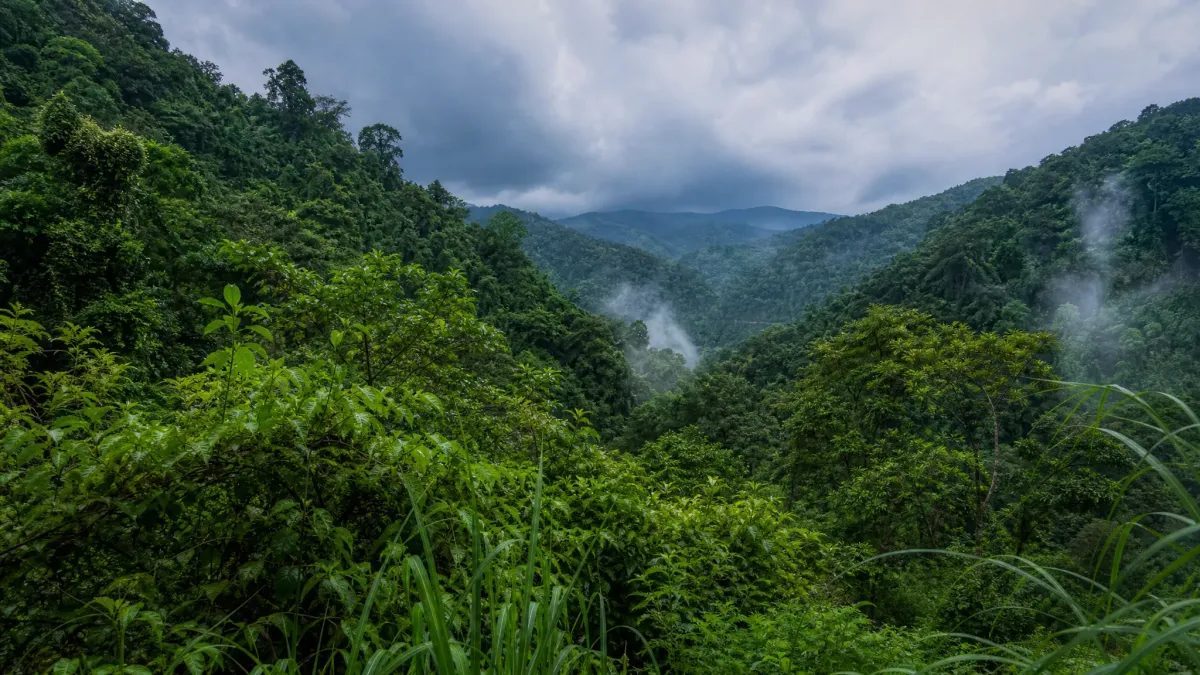
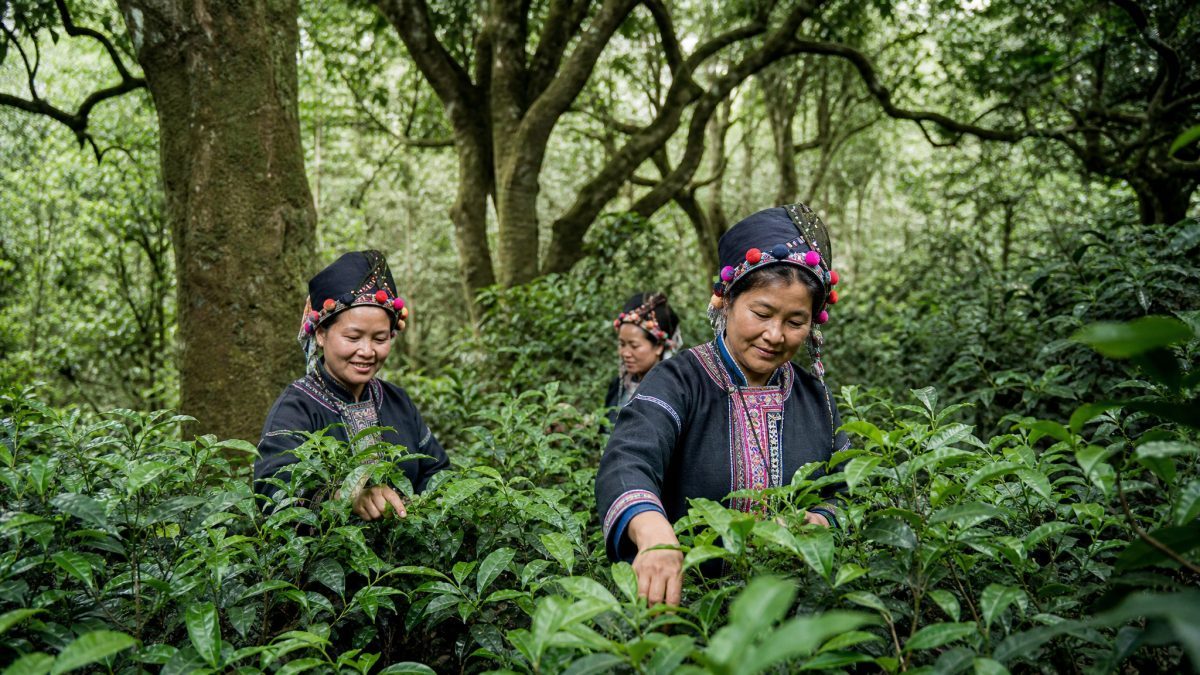
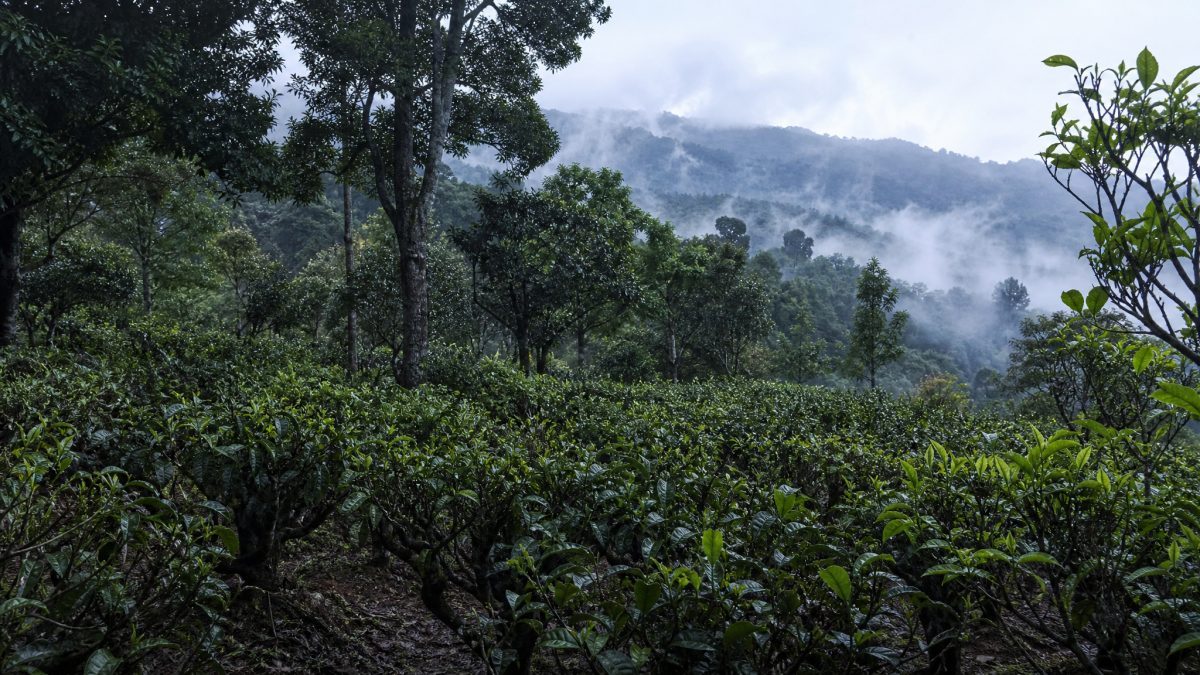
The Jingmai Mountain Ancient Tea Forest, inscribed as UNESCO World Cultural Heritage in September 2023, preserves 2,800 hectares of ancient cultivated tea trees in Bulang and Dai villages, some trees ranging from hundreds to over a thousand years old, their cultivation integrated into the forest ecosystem through fifteen generations of continuous Bulang management. The designation recognises the complete cultural landscape — the villages, the harvest rituals, the knowledge system — not just the trees themselves.