 Illustration
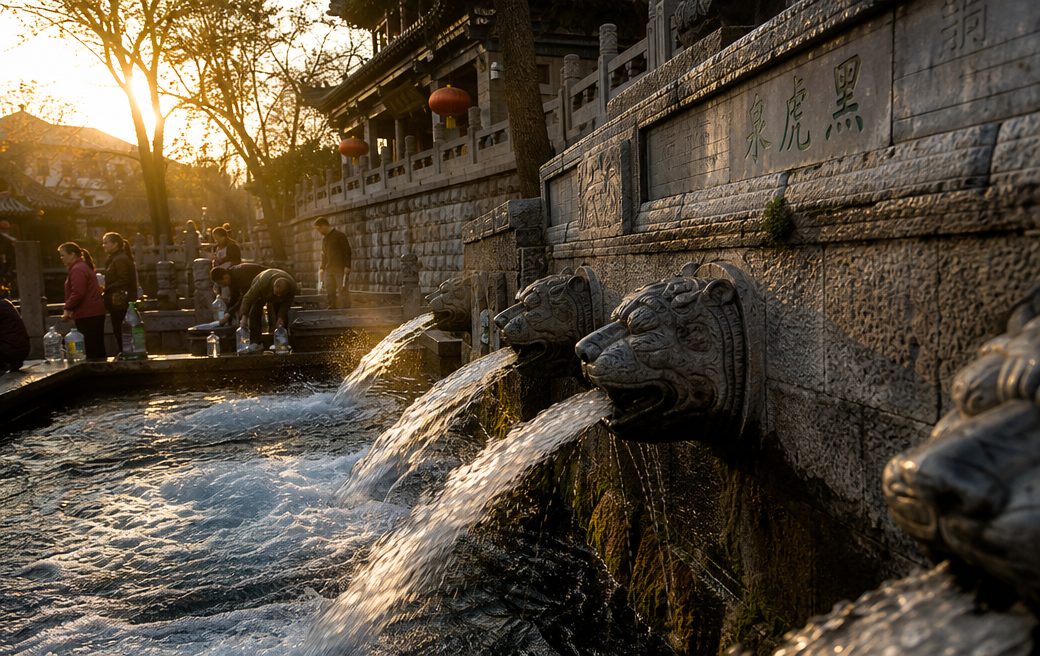
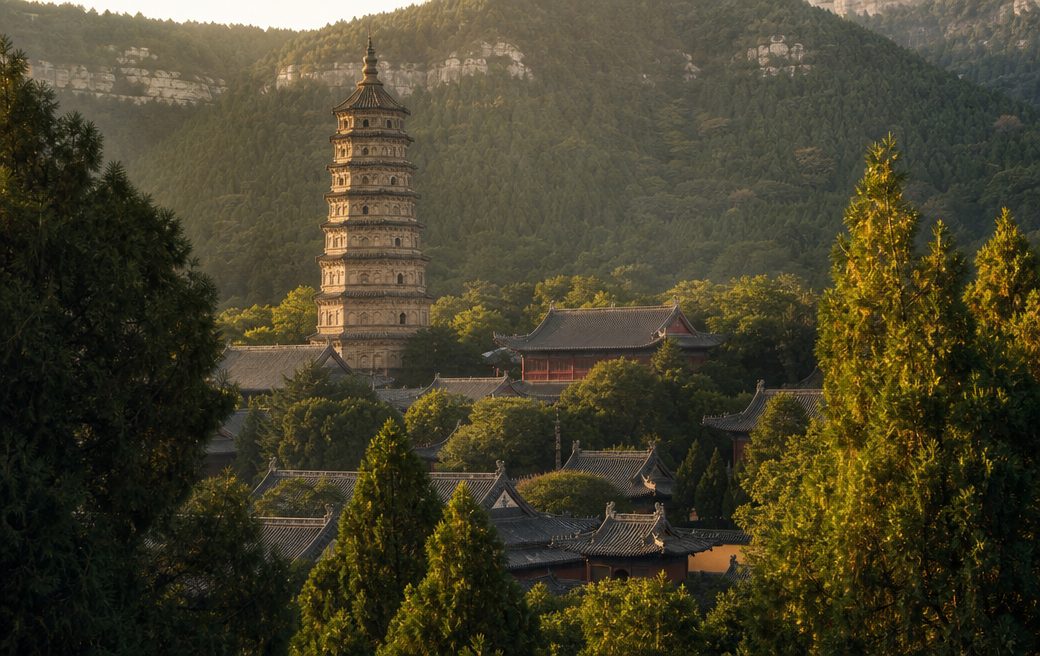
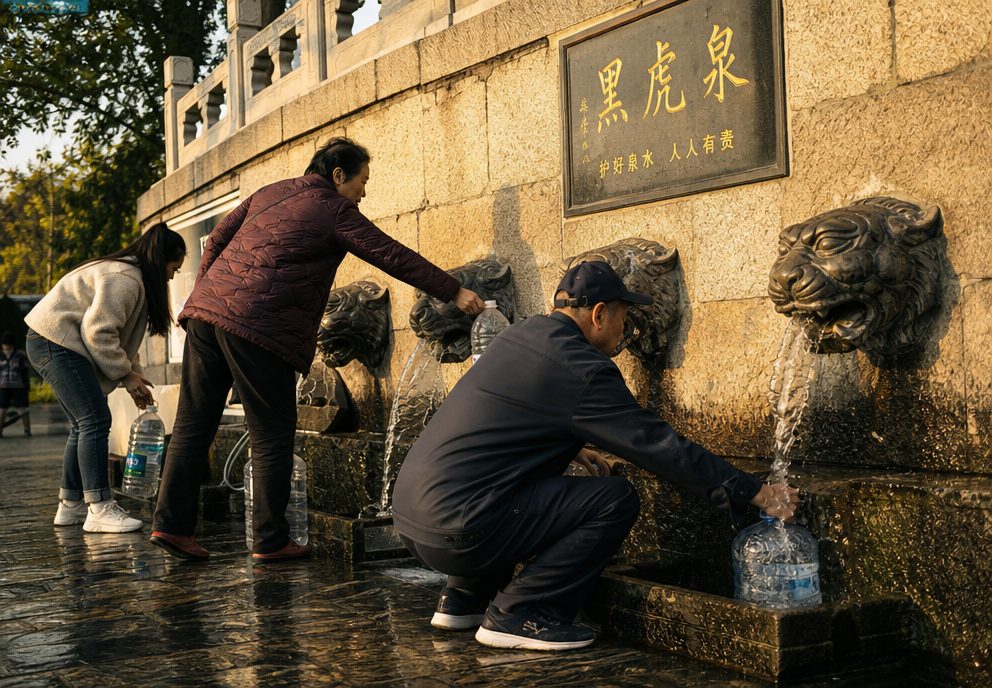
Jinan is unique among Chinese provincial capitals in owing its entire historical character to a geological phenomenon: the 72 named artesian springs that have surged from the earth beneath the city for over 2,700 years, fed by rainwater absorbed by the limestone hills to the south and forced upward by an impermeable rock layer beneath the city centre. The result is a capital city threaded with channels of crystal-clear spring water, its streets and parks punctuated by pools where water surges visibly from the ground, a phenomenon so central to Jinan's identity that the city has been called "Spring City" (泉城) since the Song Dynasty and has based its tourism brand, its civic pride and its culinary culture on the quality of its water ever since.
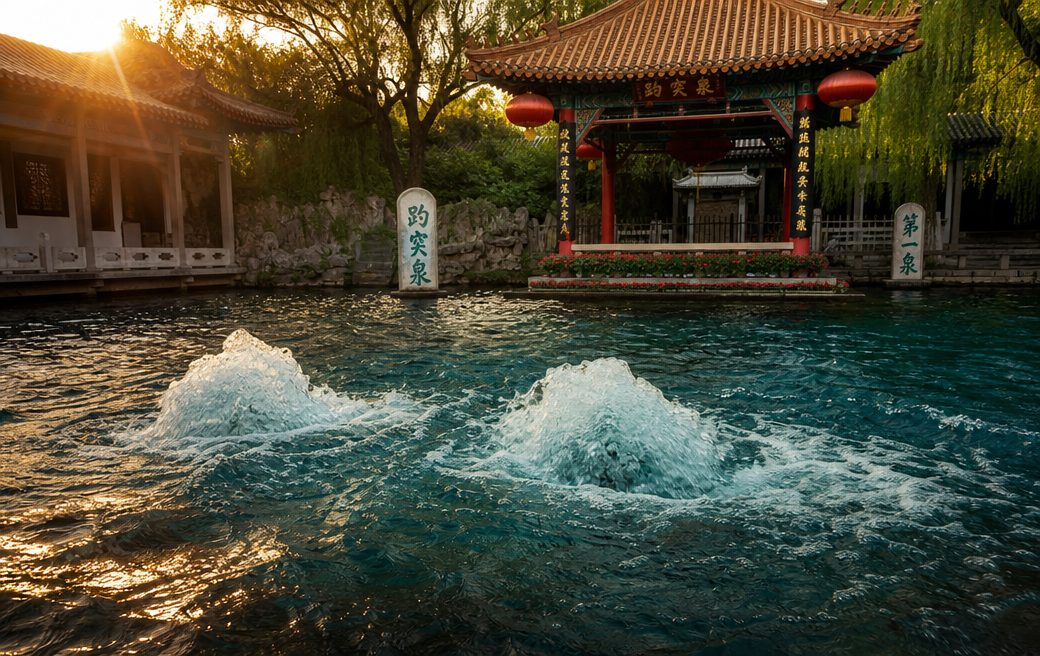
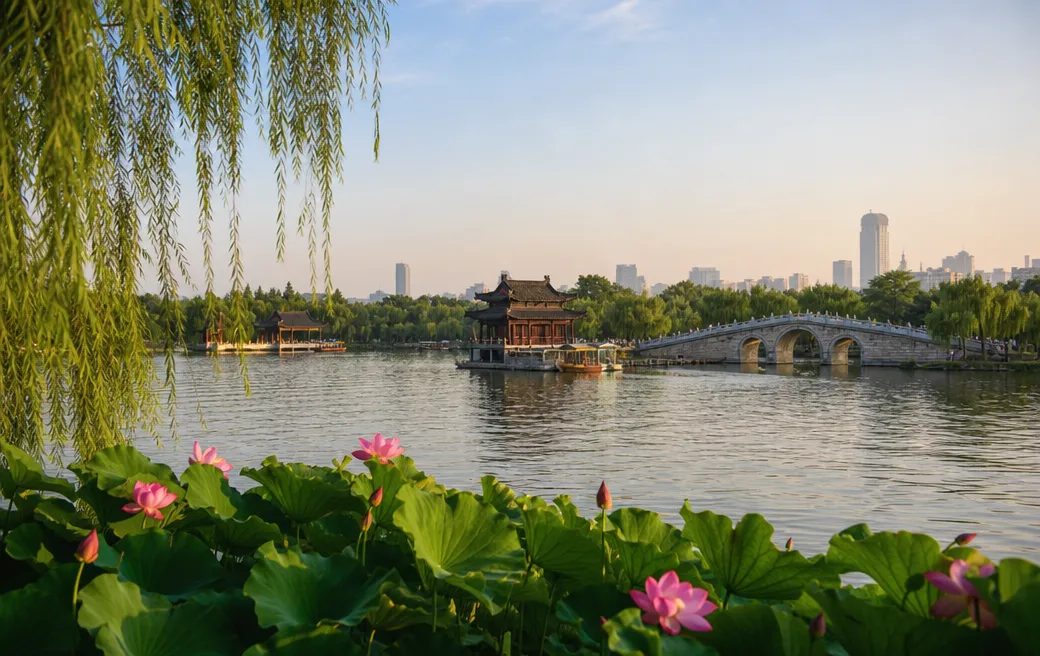
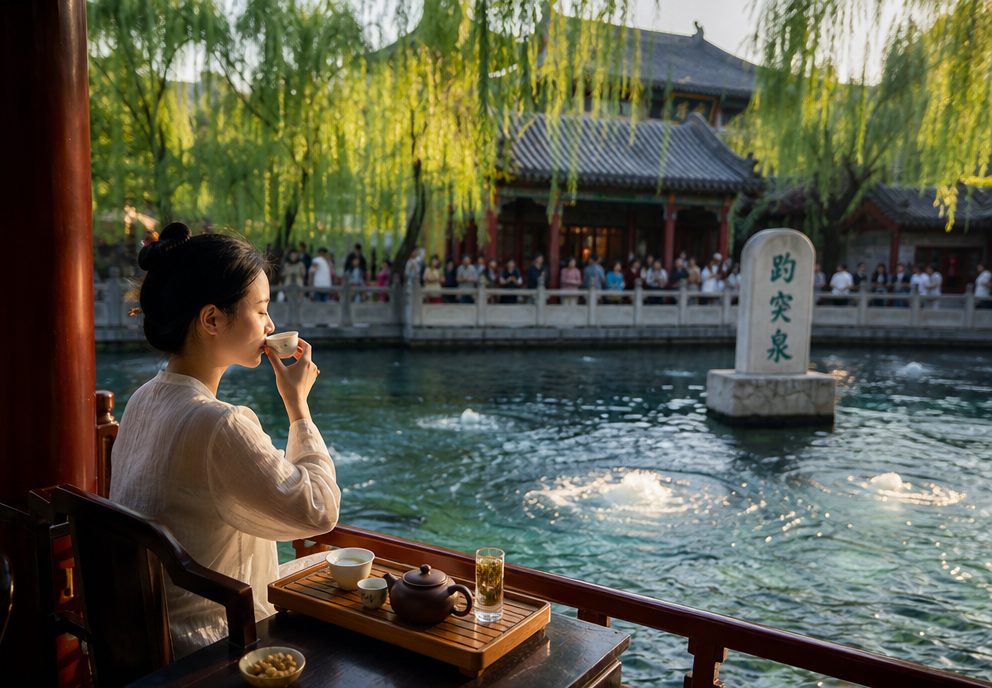
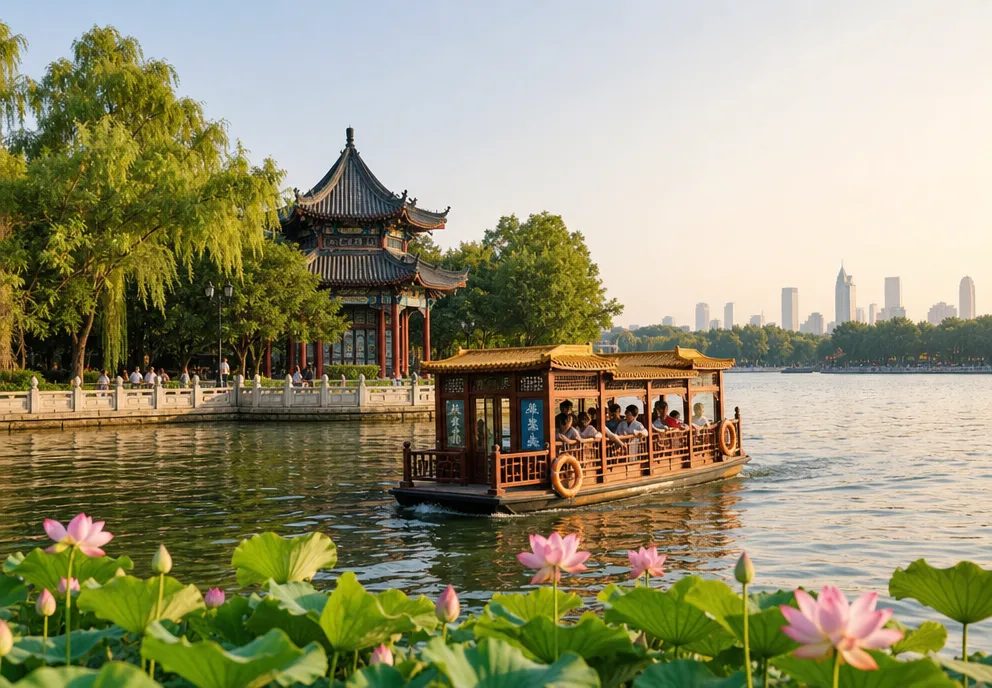
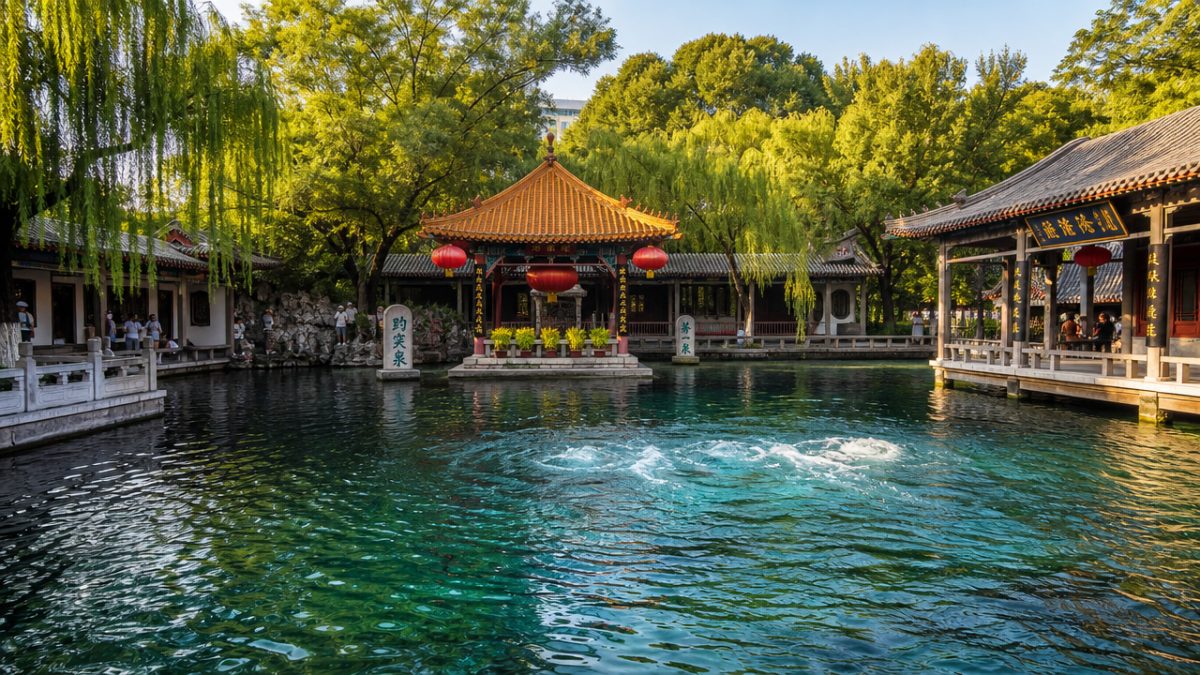
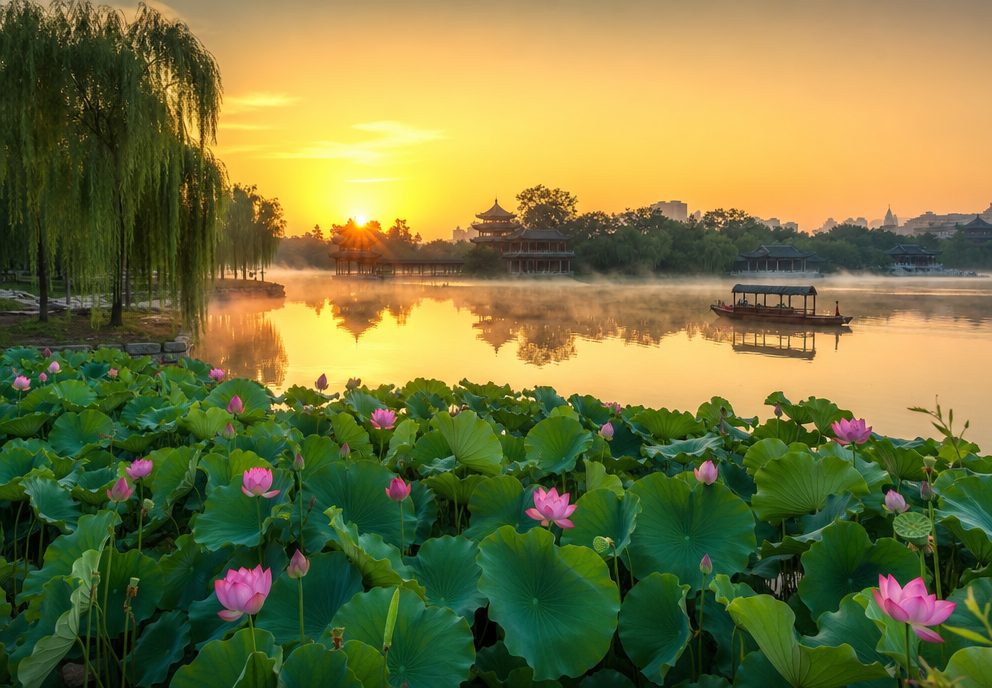
Baotu Spring, "Leaping Spring," where three powerful jets of water surge upward from a pool in a classical garden setting, has been ranked as the "First Spring Under Heaven" since the Song Dynasty scholar Zeng Gong declared it so in 1072, and the garden surrounding it, with its pavilions, willows and the tea culture that has grown up around the spring's water, is one of the most pleasant urban green spaces in northern China. The adjacent Daming Lake, fed partly by the spring water network, extends across the city's northern quarter in a vast expanse of lotus and reed that has been a centrepiece of Jinan's landscape for a thousand years.