Sichuan cuisine is one of the world’s great culinary traditions, bold, complex, and endlessly layered. While the world knows it for heat, those who travel to China discover something far richer: a food culture built on numbing spice, fragrant aromatics, fermented depth, and centuries of culinary philosophy. Here’s why every international traveler should experience authentic Sichuan food firsthand.
LocationSichuan Province, Southwest China
When to GoMarch to May & September to November
Recommended Stay5 to 8 Days
Travel StyleFood, Culture & Nature
Top HighlightsHot Pot, Mapo Tofu, Chengdu Street Food
Ask most people what they know about Sichuan food, and they’ll say one word: spicy. And yes, the chili is undeniable. But spend even a few days traveling in China’s Sichuan Province, and you’ll quickly realize that heat is only the opening line of a much longer story.
Sichuan cuisine is formally recognized as one of China’s Eight Great Culinary Traditions, and it earned that distinction not through shock value, but through extraordinary complexity. Sichuan chefs work with 23 distinct flavor profiles, from garlic-laced (jiangxiang) to sweet-sour (yuxiang), to the famously addictive numbing-and-spicy (mala). Understanding these profiles is the first step to truly appreciating what makes Sichuan food one of the most sophisticated cooking traditions in the world.
“In Sichuan, flavor is not an accident, it is an architecture. Every dish is a carefully constructed balance of heat, numbing sensation, sour, sweet, and umami.”
What Is Mala: And Why Does It Matter?
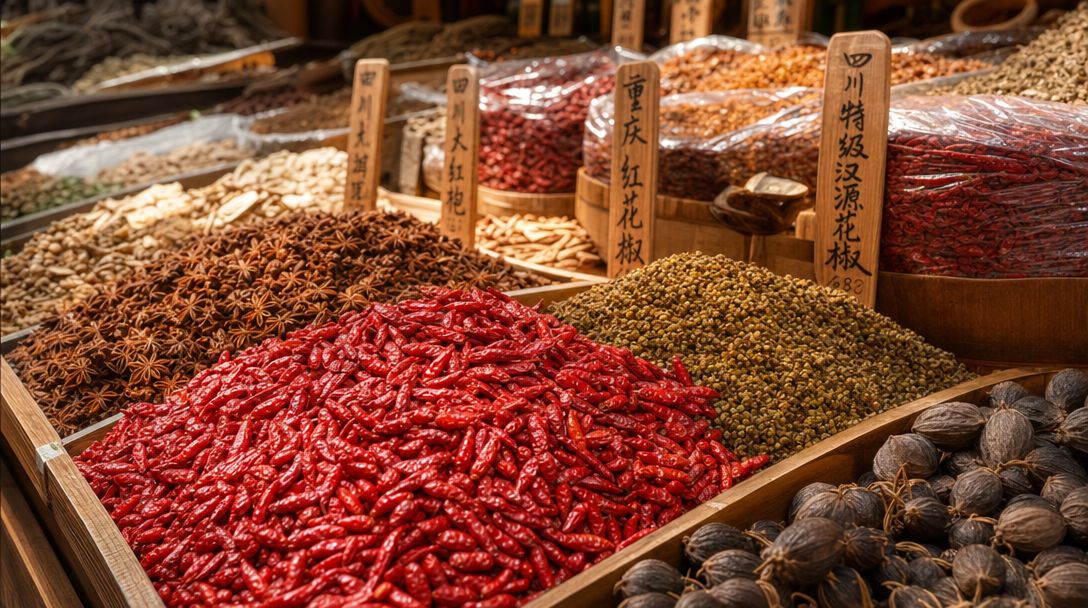
The cornerstone of Sichuan cooking is mala (麻辣), a combination of “má” (numbing) from Sichuan peppercorns and “là” (spicy) from dried chili peppers. This isn’t just heat, Sichuan peppercorns create a unique tingling, mouth-numbing sensation unlike anything else in world cuisine. Chefs deploy this sensation intentionally, using it to build contrast, highlight other flavors, and create a dining experience that evolves with every bite.
For international travelers exploring authentic China, tasting mala for the first time is genuinely one of the most memorable food experiences available anywhere in the world.
Illustration
The Five Pillars of Sichuan Cooking
To understand why Sichuan food transcends its spicy reputation, you need to understand the five pillars that structure it. These aren’t just ingredients, they’re a philosophy about how flavor should be built and experienced.
Five Pillars of Sichuan Cuisine
Sichuan Peppercorn (花椒): The source of the signature numbing sensation; citrusy and floral when fresh.
Doubanjiang (豆瓣酱): Fermented broad bean and chili paste; the soul of Sichuan cooking, adding deep umami and heat.
Dried Chilies (干辣椒): Used whole, ground, or infused in oil to deliver layered heat at different intensities.
Black Vinegar (镇江香醋): Adds the sour-sharp contrast that balances heat and fat in many classic dishes.
Aged Fermented Black Beans (豆豉): A quiet depth-giver that rounds out braised meats and sauces.
Iconic Sichuan Dishes Every Traveler Must Try
A China travel itinerary that passes through Chengdu or anywhere in Sichuan Province is incomplete without working through the signature dishes of this food culture. Here are the dishes that define it:
1. Mapo Tofu (麻婆豆腐)
Perhaps the most globally recognized Sichuan dish, Mapo Tofu is silken tofu braised in a deeply savory, fiery sauce of doubanjiang, fermented black beans, minced pork, and a heavy hand of Sichuan peppercorn oil. What makes it remarkable is the textural contrast, the tofu wobbles like custard while the sauce burns with complex, layered heat. It’s a dish that rewards slow, attentive eating.
2. Sichuan Hot Pot (四川火锅)
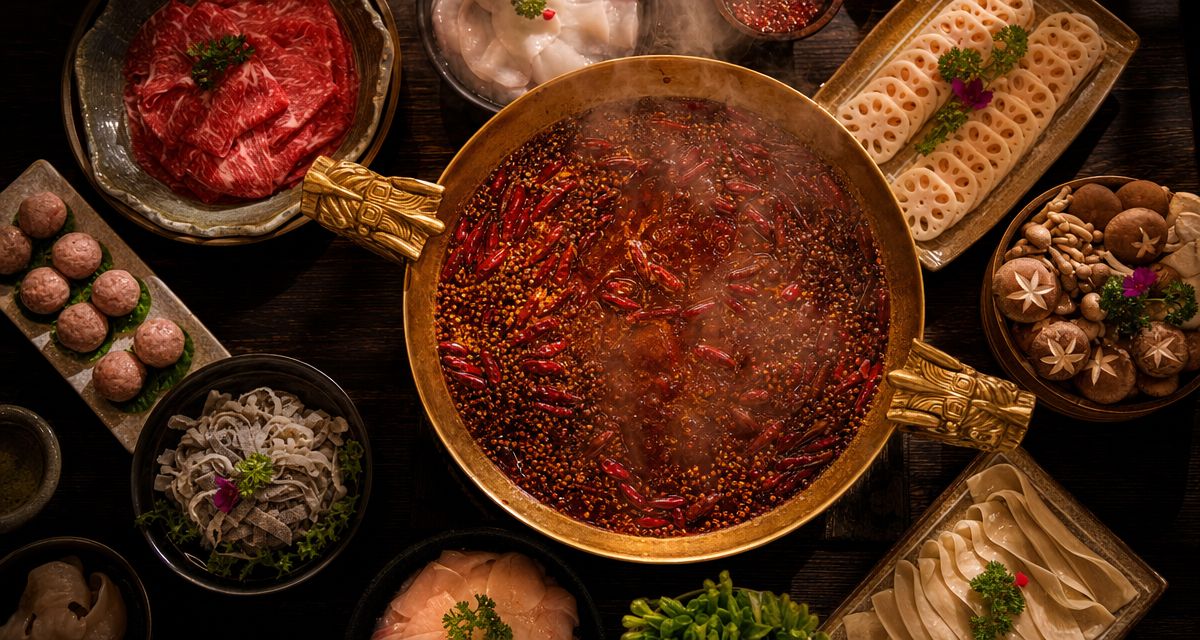
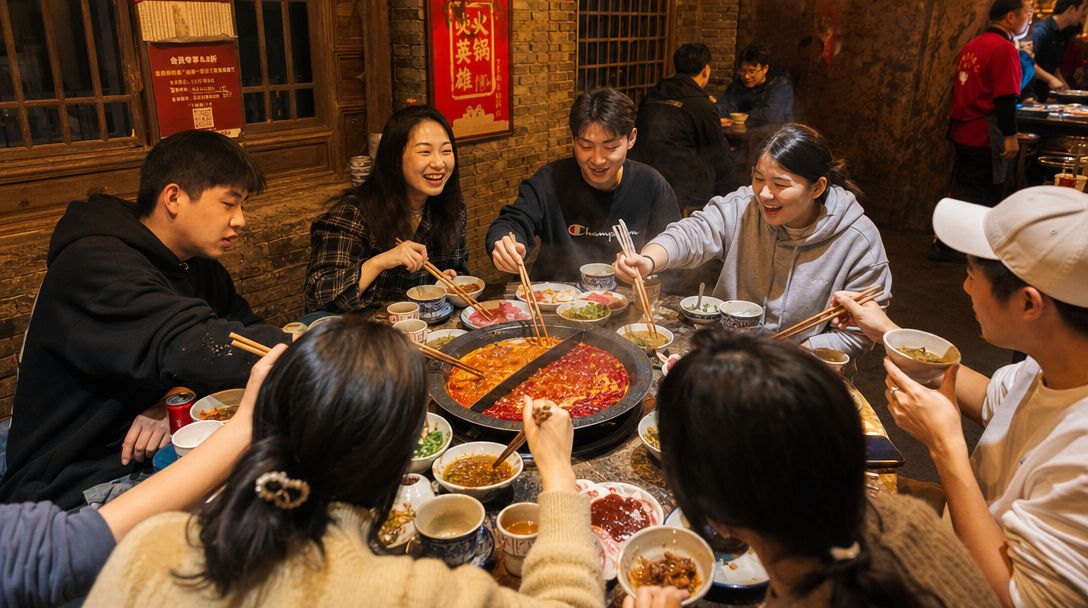
Hot pot in Sichuan is a communal ritual. A bubbling cauldron of deep-red, oil-slicked, spice-perfumed broth sits at the center of the table. Around it: raw ingredients (thinly sliced beef, lotus root, enoki mushrooms, brain tofu, duck intestines, and dozens more) that guests cook at will. The experience is as social as it is gastronomic. Chengdu hot pot restaurants are destinations in their own right during any China travel adventure.
Illustration
3. Dan Dan Noodles (担担面)
Originally a street food sold by vendors carrying loads on a shoulder pole, Dan Dan Noodles are now beloved across China and around the world. Thin wheat noodles arrive in a rich, nutty, chili-laced sauce made from sesame paste, soy, chili oil, and minced pork. The layers of flavor (nutty, spicy, savory, faintly sweet) arrive in sequence, making every mouthful slightly different from the last.
4. Kung Pao Chicken (宫保鸡丁)
Often misrepresented in international versions, authentic Kung Pao Chicken is a study in balance. Tender chicken cubes wok-fried with dried chilies, roasted peanuts, and a sweet-sour-savory sauce that coats every piece. The dish originated in Sichuan and was named after a Qing Dynasty official, it carries history in every bite.
5. Twice-Cooked Pork (回锅肉)
A Sichuan household classic. Pork belly is first boiled until just cooked, then sliced and returned to a screaming-hot wok with leeks, garlic shoots, and doubanjiang. The result is smoky, caramelized, and deeply savory, one of those dishes that explains, better than any words can, why traveling in China for its food culture is one of life’s great pleasures.
“Sichuan cuisine asks you to stop, slow down, and pay attention. The flavors arrive in waves, heat first, then numbing, then a blooming of fragrance, then the warmth that lingers.”
Sichuan Food Beyond Chengdu
While Chengdu is the capital of Sichuan cuisine, the province itself offers a rich geography of regional food cultures. In Leshan, the oversized Leshan Buddha watches over a city famous for its skewered street food. In Zigong, the salt-producing history of the city shaped a local cuisine distinct from Chengdu’s, lighter in color, sharper in flavor, and deeply tied to the preservation traditions that salt once made possible.
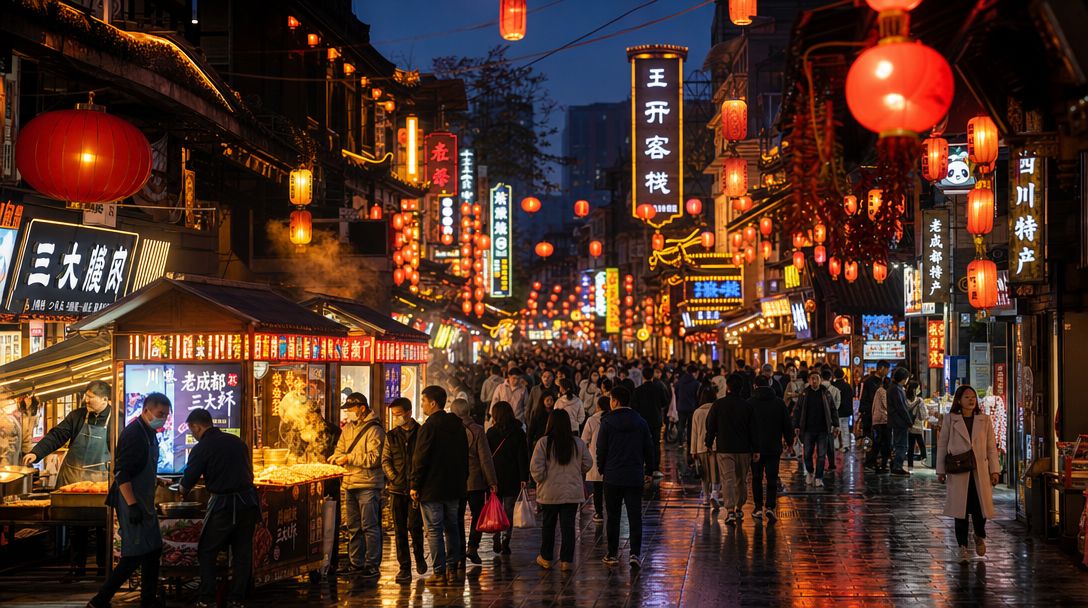
Traveling to Sichuan for food means moving beyond restaurants into markets, street stalls, teahouses, and home kitchens. China experiences don’t get more authentic than watching a Sichuan grandmother make doubanjiang from scratch, a fermentation process that takes months and produces the defining flavor of a civilization.
Illustration
The Teahouse Culture That Completes the Picture
No understanding of Sichuan food culture is complete without the teahouse. Chengdu has more teahouses per capita than almost anywhere in China, and they serve a function far beyond tea-drinking. They are offices, living rooms, social centers, and places for opera, card games, and long afternoon conversations. Ordering a pot of local Mengding Mountain green tea and watching the city drift by is as essential to the Sichuan food experience as any dish.
Sichuan’s food and drink culture together express a local philosophy of bázi, a Chengdu concept of slow, enjoyable living. In a world that moves fast, Sichuan reminds you that good meals, like good experiences in China, cannot be rushed.
Tips
Travel Tips for Sichuan Food Lovers
Transportation
Chengdu is served by two international airports and is a major high-speed rail hub. From Shanghai or Beijing, bullet trains arrive in under 8 hours. Within Sichuan, high-speed rail connects Chengdu, Leshan, and Mianyang efficiently.
Local Etiquette
At hot pot restaurants, it’s respectful to let others cook for you and vice versa. Don’t stick chopsticks upright in rice bowls, it resembles incense at funerals. Slurping noodles is perfectly acceptable and even appreciated.
Food Recommendations
Must-eats: Mapo Tofu at Chen Mapo Doufu restaurant in Chengdu, street-side Dan Dan Noodles in Jinli Ancient Street, and hot pot at any local restaurant around Kuanzhai Alley. Ask locals for their teahouse recommendations, they’ll be honest.
Packing Suggestions
Pack light, breathable clothing: Sichuan summers are humid and hot. If you’re sensitive to spice, carry mild antacids. A small translation app helps immensely when navigating menus; many excellent local spots have no English signage.
Practical Advice
Book popular restaurants (especially Sichuan hot pot chains) in advance via local apps.
Why go
Why Sichuan Belongs on Every China Itinerary
Beyond the food, though the food alone is worth the journey, Sichuan offers a complete, emotionally resonant travel experience.
A Living Culture
Sichuan’s history stretches back 3,000 years. Ancient towns like Langzhong and the UNESCO-listed Mount Emei remind you that this is a civilization with extraordinary depth, one that food, art, and architecture all express simultaneously.
The People
Sichuanese people are famous across China for their warmth, humor, and generosity at the table. Strangers invite you to join their hot pot. Shop owners offer tea without being asked. The hospitality is as much a flavor of the place as the food.
Food Depth
No other region in China, and arguably no other cuisine on earth, offers the same density of extraordinary dishes per square kilometer. Chengdu has been named a UNESCO City of Gastronomy, a designation it has earned many times over.
Dramatic Landscape
Sichuan is home to some of China’s most dramatic natural scenery, from the turquoise lakes of Jiuzhaigou to the giant Buddha at Leshan to the bamboo forests of Mount Qingcheng. It is a province where great food and great nature coexist without compromise.
FAQ
Frequently Asked Questions About Sichuan Food & Travel
Is Sichuan food really as spicy as its reputation suggests?
Sichuan food is genuinely spicy, but heat is just one dimension. Many dishes balance spice with deep umami, sweetness, and the unique numbing sensation of Sichuan peppercorn. Most restaurants will adjust spice levels on request, and not every Sichuan dish is fiery, there are delicate steamed and braised dishes that are mild and incredibly flavorful.
How many days should I spend in Sichuan to experience the food properly?
A minimum of 5 days based in Chengdu is recommended, with at least one day trip to Leshan or the Qingcheng Mountain area. 7 to 8 days allows you to explore more of the province and eat more deeply, including breakfast street food, afternoon teahouses, and late-night snack culture.
When should I visit Sichuan for food travel?
Spring (March to May) and autumn (September to November) offer the most comfortable temperatures and the freshest seasonal produce. Summer brings incredible abundance but also heat and crowds. Winter is hot-pot season, when Sichuan’s most iconic communal dish comes into its own and the streets fill with the aroma of chili-laced broth.
Can foreign travelers eat at local Sichuan restaurants easily?
Yes: Chengdu is one of China’s most welcoming cities for international travelers. Many popular restaurants have picture menus or QR code menus with English options. Translation apps work well, and the hospitality culture in Sichuan means locals are exceptionally patient and helpful when language barriers arise.
What food should I try first in Sichuan as a newcomer?
Start with Dan Dan Noodles, they introduce the Sichuan flavor profile gently, with nutty, savory, mildly spicy notes. Then graduate to Kung Pao Chicken and Mapo Tofu. Save Sichuan hot pot for a later evening when you’re ready for a full immersive experience, ideally shared with other travelers or a local guide.
Is Sichuan cuisine suitable for vegetarians?
Sichuan has a strong Buddhist temple food tradition with entirely vegetarian menus, particularly around Mount Emei. In regular restaurants, vegetarian options exist but require some navigation, doubanjiang-based sauces often contain trace meat. Communicating dietary needs via translation app is recommended, and many restaurants in Chengdu now accommodate vegetarian requests.
Send the dates, the group size and the places or themes that interest you, and PreeChina replies with a draft plan. Nothing is booked until a priced itinerary is agreed.