PreeChina › Hunan › Yueyang Tower and Junshan Island (岳阳楼·君山岛)
Hunan · The One of the Three That Is Really Old
Yueyang Tower and Junshan Island (岳阳楼·君山岛)
A Qing timber tower of 1880 on the old city wall, looking out over Dongting Lake. The essay it is well-known for was written in 1046 by a man who had never been here.
Quick Facts
The Short Version
What it is
A timber tower on the west wall of Yueyang facing Dongting Lake, plus Junshan Island offshore
Where
Yueyang, northern Hunan, on the eastern shore of Dongting Lake
This building
Rebuilt in 1880 under the Qing, in timber, on the original site. It was fully dismantled and repaired in 1984
Why that matters
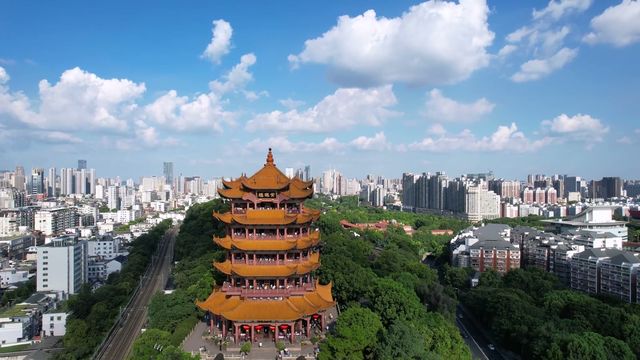
It is the sole one of the three great southern towers that is a genuine historic building rather than a modern reconstruction
The roof
A helmet-shaped roof framed without a single nail, which is the thing architectural historians come for
The essay
Fan Zhongyan's record of 1046, written from a painting, for a friend who was restoring the tower
Junshan Island
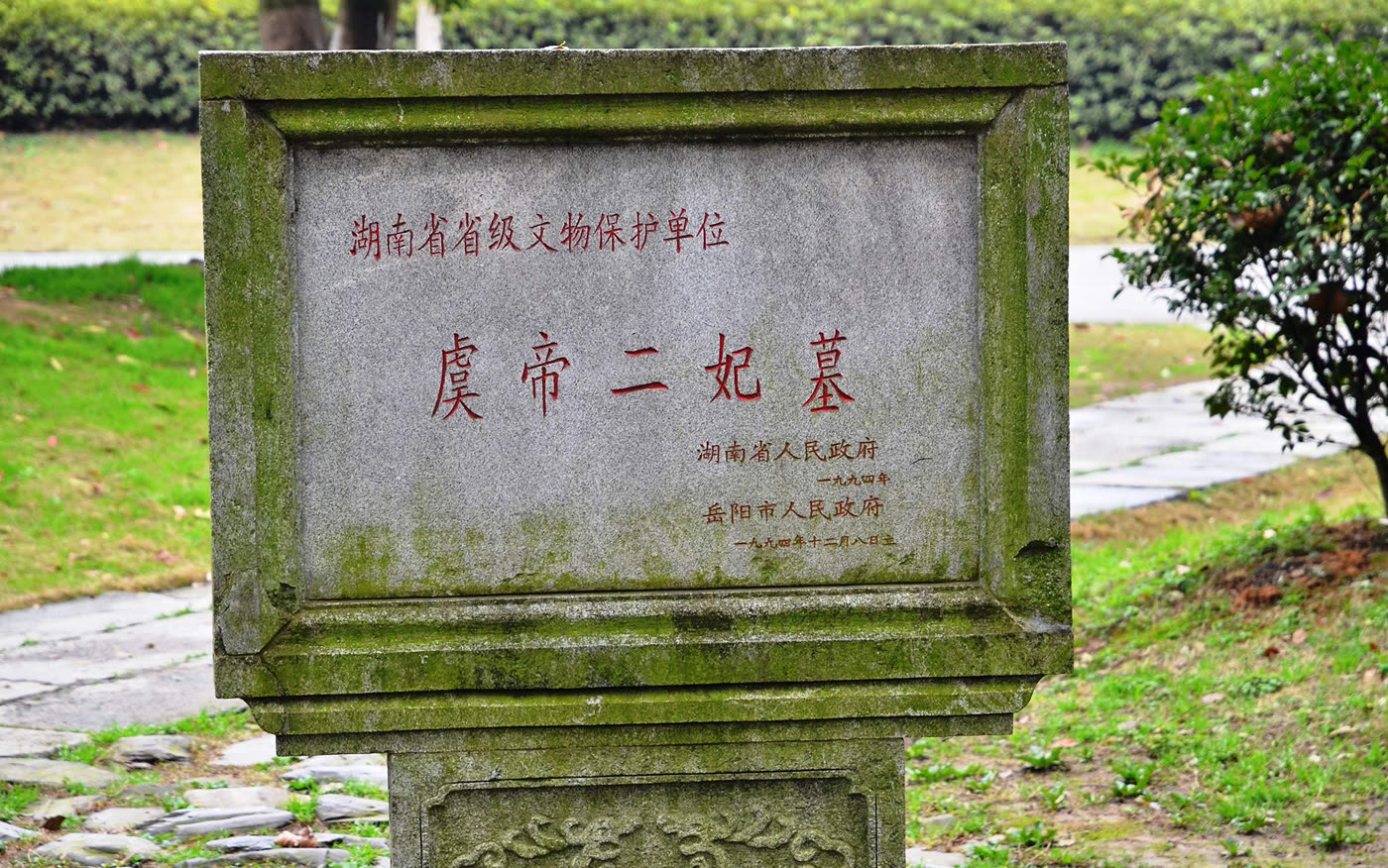
A small island offshore with the tomb attributed to Emperor Shun's two consorts, a shrine, and the tea gardens that produce Junshan Yinzhen
Time needed
Two hours for the tower. Half a day more if visitors take the boat to the island
Why Go
An Old Tower and an Essay Written Elsewhere
1. This one was not rebuilt in concrete
The other two towers in this group, Yellow Crane at Wuhan and Tengwang at Nanchang, are reinforced concrete buildings from the 1980s. This one is not. The tower standing on the wall at Yueyang was rebuilt in 1880, in timber, on the site it had always held, and it was taken apart and put back together in a full structural repair in 1984.
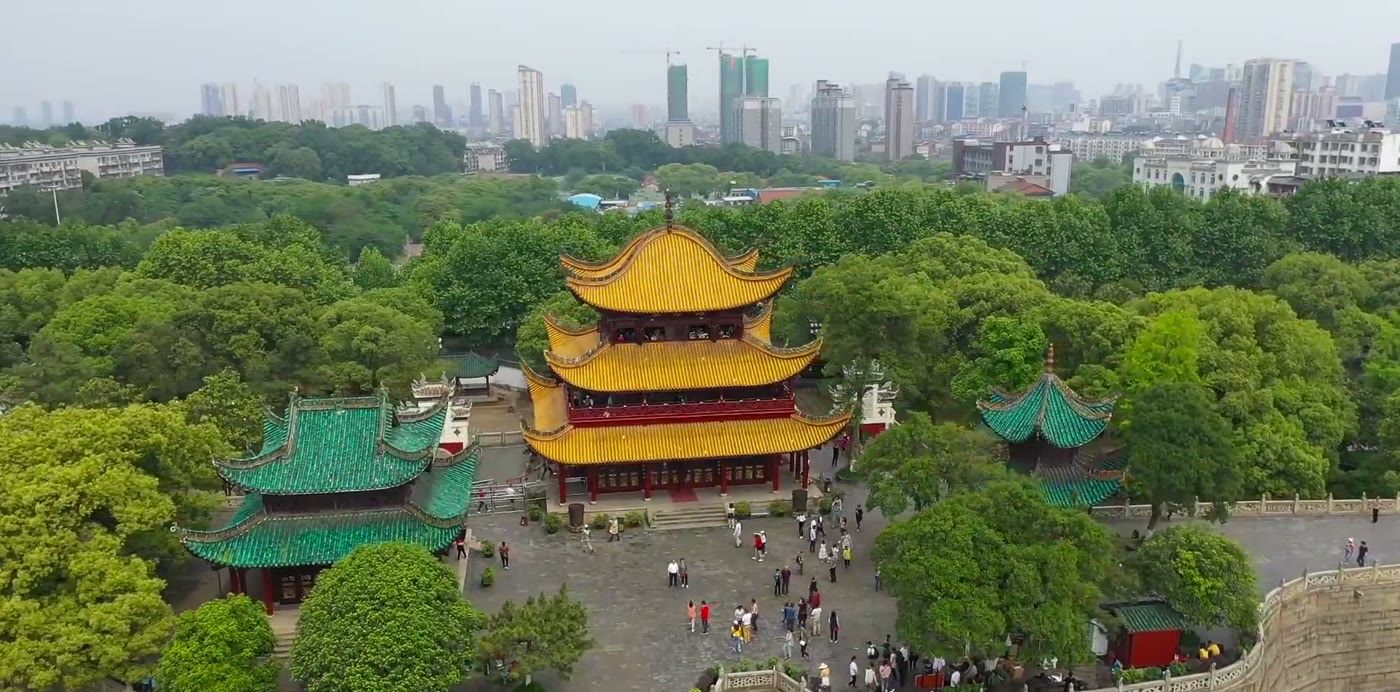
The part worth looking up at is the roof, which is shaped like a helmet and framed entirely in interlocking timber without nails. It is an unusual form and a difficult one, and it is the reason this building matters to people who study Chinese carpentry rather than just to people who studied the essay at school.
2. The essay was written from a picture
In 1046 Fan Zhongyan, a senior official then out of favour and posted far away, was sent a painting of this tower by a friend who was restoring it, with a request for a piece of writing to go with it. He wrote the Record of Yueyang Tower without ever having stood here, describing the lake in several weathers and then turning the whole thing into an argument about public duty.
The line everyone knows is the one about being anxious before the world is anxious and happy just after the world is happy, and it has been quoted in Chinese political language ever since. So the many well-known thing about this building was composed by someone looking at a picture of it, which tells visitors exactly how these sites work.
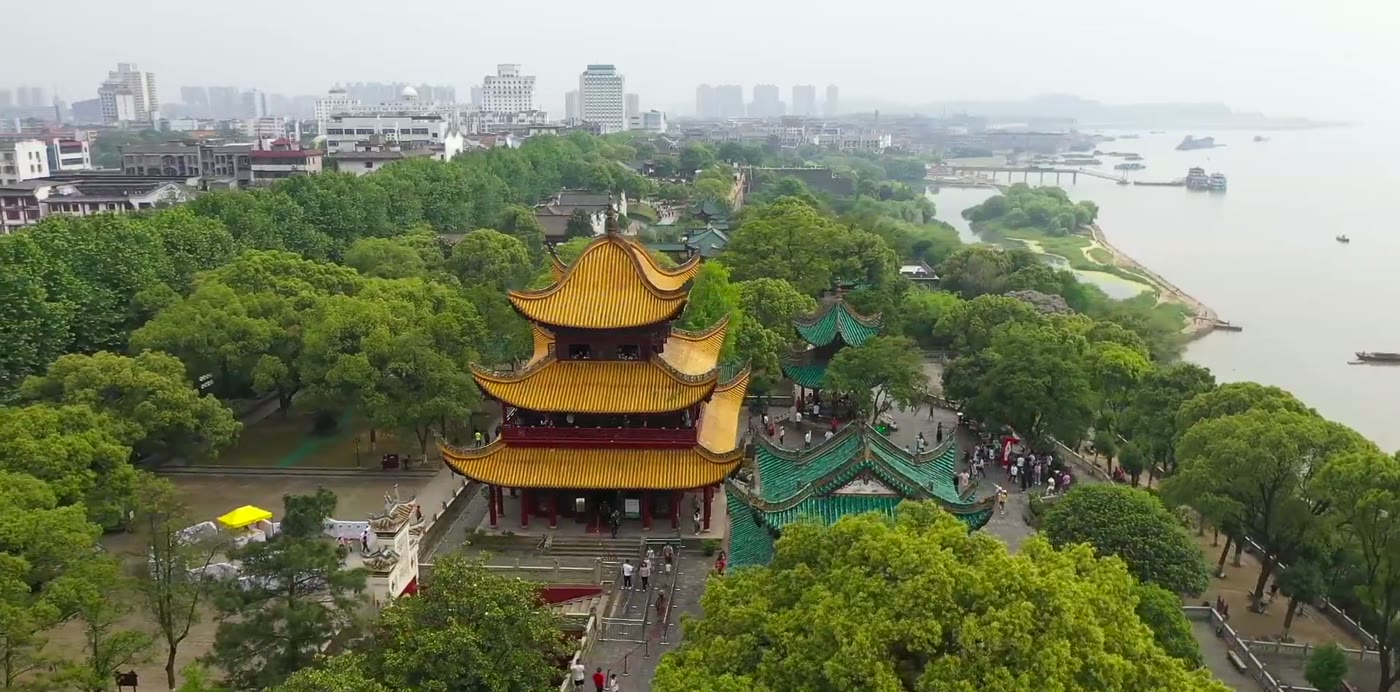
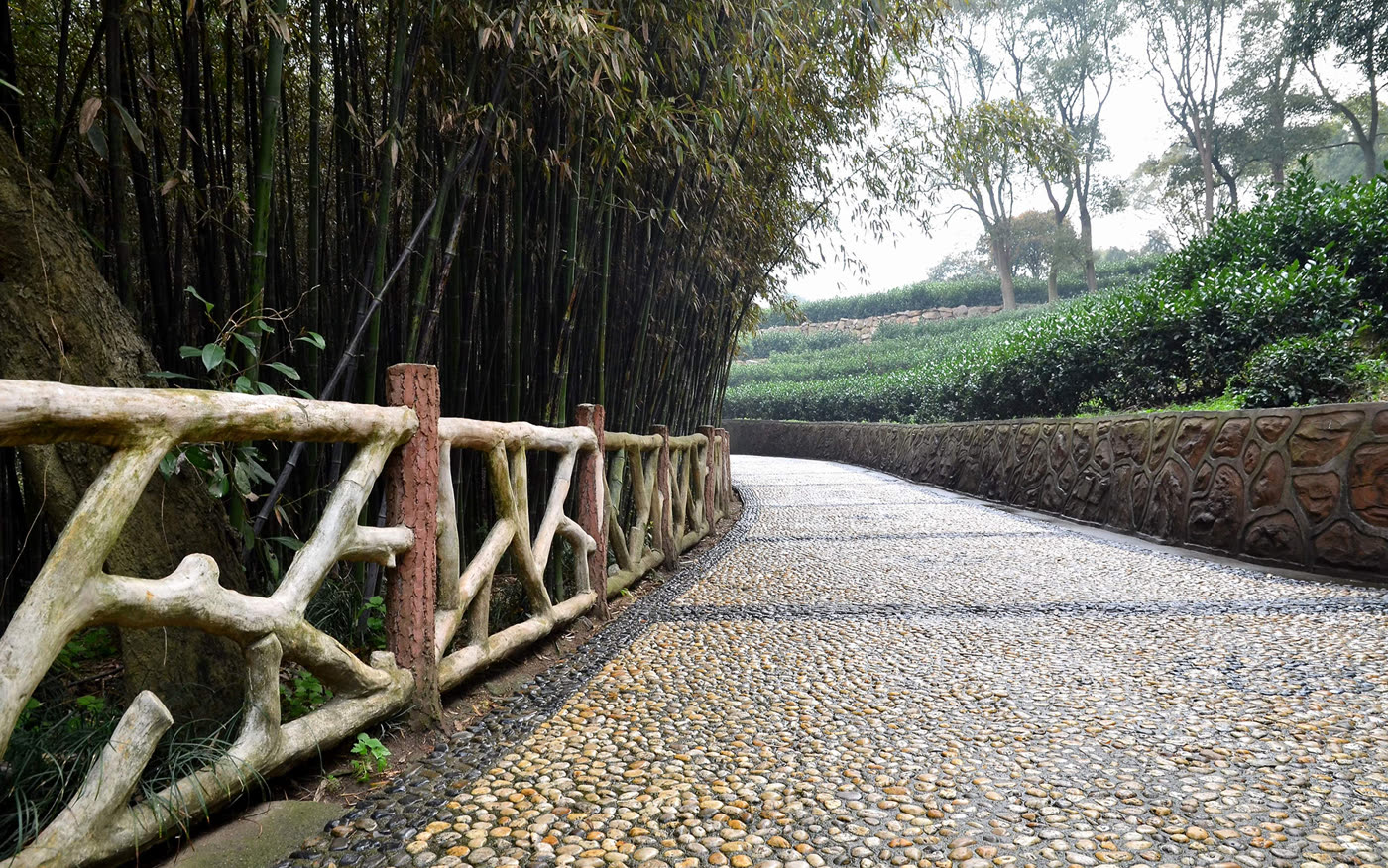
The tower sits on the old city wall with two smaller pavilions flanking it. The wall is why it has the view.Lake on one side, Yueyang on the other. The essay describes the opening and says nothing about the second, which did not exist.On Junshan: the marker for the tomb attributed to the two consorts of the legendary Emperor Shun, who are said to have drowned themselves in the lake.Also on Junshan: the tea gardens. Junshan Yinzhen is a yellow tea and the island is the sole place it is grown.
The catch. The tower itself is small and the visit is short: three storeys, a set of calligraphy tablets, and the lake. Dongting is enormous and mostly featureless, and on a hazy day it is a grey plane with cargo ships on it. The island is a separate pass and a boat ride, and doing both properly is much of a day for two attractions that are quiet rather than spectacular.
Orientation
Tower in the Morning, Island After
The tower park runs along the lakeshore inside the old wall, and the tower is at the far end of it. An hour covers the building, the tablets inside and the two flanking pavilions; the walk in along the wall is part of the point.
Boats to Junshan leave from a pier a short drive north and take about half an hour. The island is small enough to walk, with the shrine, the tomb markers and the tea terraces within twenty minutes of each other. Allow a half day for the round trip and check the last boat back before visitors go.
Practical
Things Worth Knowing
Look up at the roof frame
The helmet roof is the architecturally serious thing here and it is easy to miss while reading the tablets.
The essay is on the wall
Carved in full inside. If visitors have any Chinese at all it is worth standing in front of, and there are English summaries on the boards outside.
Check the last boat
Junshan services stop earlier than visitors expect, especially outside summer, and being stranded is an easy mistake.
It is a stop, not a destination
Yueyang is ninety minutes from Wuhan and ninety from Changsha on the fast line. It works much better as a half-day break in a longer journey than as a trip in itself.
Timing
When to Go
Season
The case for
The catch
March to May
Green, and the tea on Junshan is picked in this window
Wet. Hunan spring rains for days at a time
September to November
The clearest air over the lake and a particularly comfortable walking
The opening week of October is the national holiday
June to August
The lake at its fullest, which is when it looks the way the essay describes
Hot and humid, and flood season can affect the shoreline and the boats
December to February
Quiet, and the migrating birds are on the lake
Cold, grey, and the water often merges with the sky
Context
A Lake That Changes Size
Dongting is a flood-basin lake on the Yangtze rather than a fixed body of water, and it swells and shrinks enormously between the wet and dry seasons. Historically it was far larger; embankment, silt and land reclamation have reduced it a great deal over the last few centuries, and it now expands and contracts around a smaller core.
That is worth knowing because the essay describes the lake as vast and boundless, and visitors who arrive in a dry month sometimes wonder what the fuss was about. In flood it still does what Fan Zhongyan described, and the water comes much closer to the wall the tower stands on.
The tower is old because the site was administratively useful. It began as a platform for reviewing naval forces on the lake, became a gate tower on the city wall, and not until then became a literary monument. Its survival through the Qing and into the present owes a good deal to having been a working building for much of its life.
Yueyang has its own station on the Beijing to Guangzhou fast line, which puts it ninety minutes from Wuhan and under an hour from Changsha. The tower is a short taxi ride from the station.
Many people do it as a stop rather than a stay, breaking the journey between Wuhan and Changsha for half a day. If visitors want the island as well, one night in Yueyang makes that comfortable.
Experiences
What Visitors Can Actually Do Here
On site · 1 hr
The tower and the tablets
The building, the carved text of the essay, the helmet roof frame and the lake from the upper storey.
Ticketed. Mornings are clearest.
Boat · half day
Junshan Island
The tea terraces, the shrine and the tomb markers, on an island small enough to walk around.
Separate pass. Check the last boat.
Guided · 3 days
The three towers
Wuhan, Yueyang and Nanchang on the fast line, in the order that makes the comparison obvious.
Worth breaking a journey for. It is the smallest of the three towers and the sole one that is genuinely what it claims to be, which makes it the one to do second so visitors have something to compare. Look at the roof frame, read the essay on the wall, and take the island just if visitors have the half day it needs.
Travelling to China with 10 or more people? Talk to PreeChina first. A transparent service fee of USD 100 per person for trips of up to 10 days (USD 150 for 11 to 20 days), and no markup on travel components. See how the fee works.
Share the travel dates and interests, and our local team will build the route: Wuhan, Yueyang and Nanchang on the fast line, with the tower that is actually old in the middle where the contrast lands.