Why Go
The Residence of the Last Emperor
1. A museum on Puyi's years in Changchun
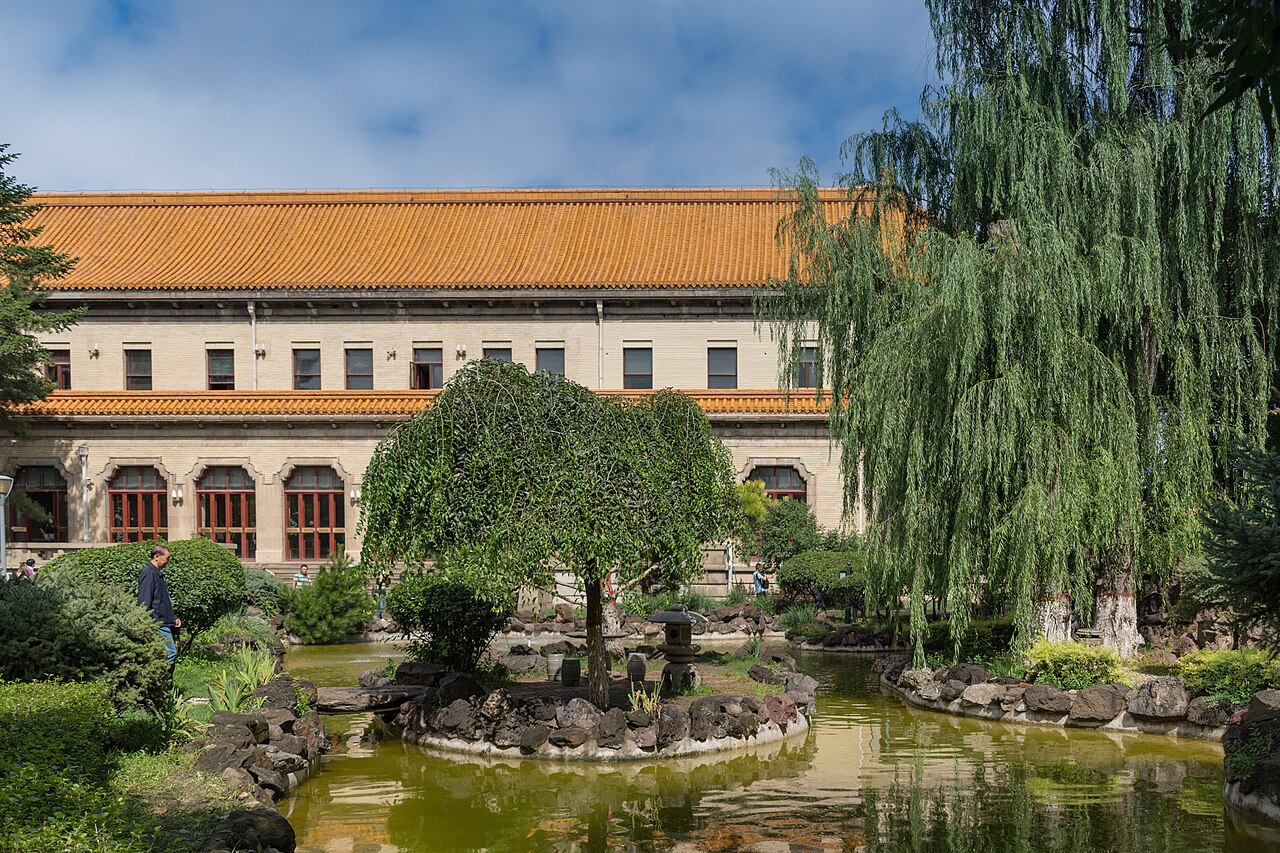
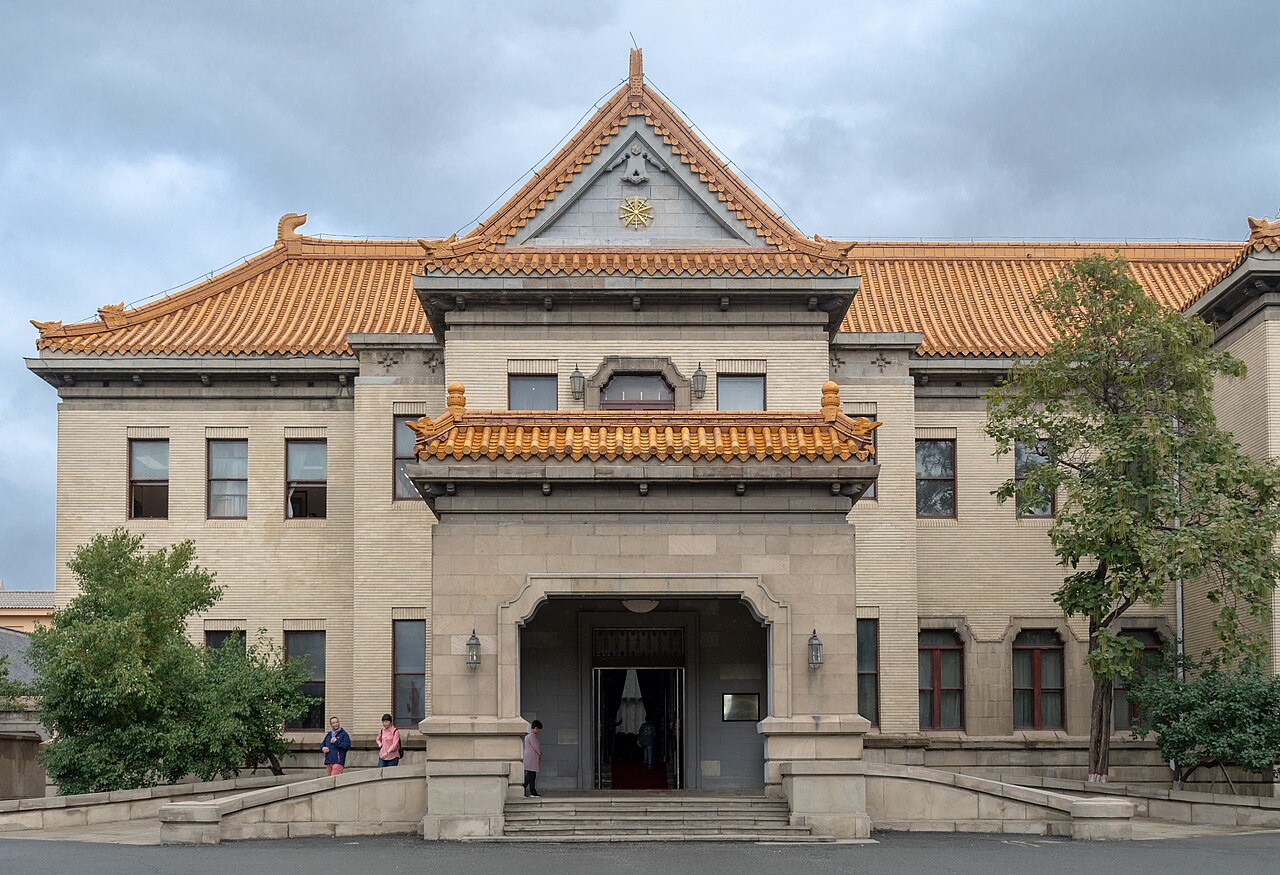
After the end of the Qing, Puyi was installed in 1932 as head of the state of Manchukuo, which was created in the north-east. He lived in Changchun, then called Hsinking, in a building that had served as the salt tax offices, which had been adapted as his residence and is nicknamed the salt palace. A grander palace was planned, but resources were diverted and work stopped in 1943.
The museum preserves the residence, the offices and the gardens, and tells the story of his years in the city, which ended in 1945.
2. What visitors see
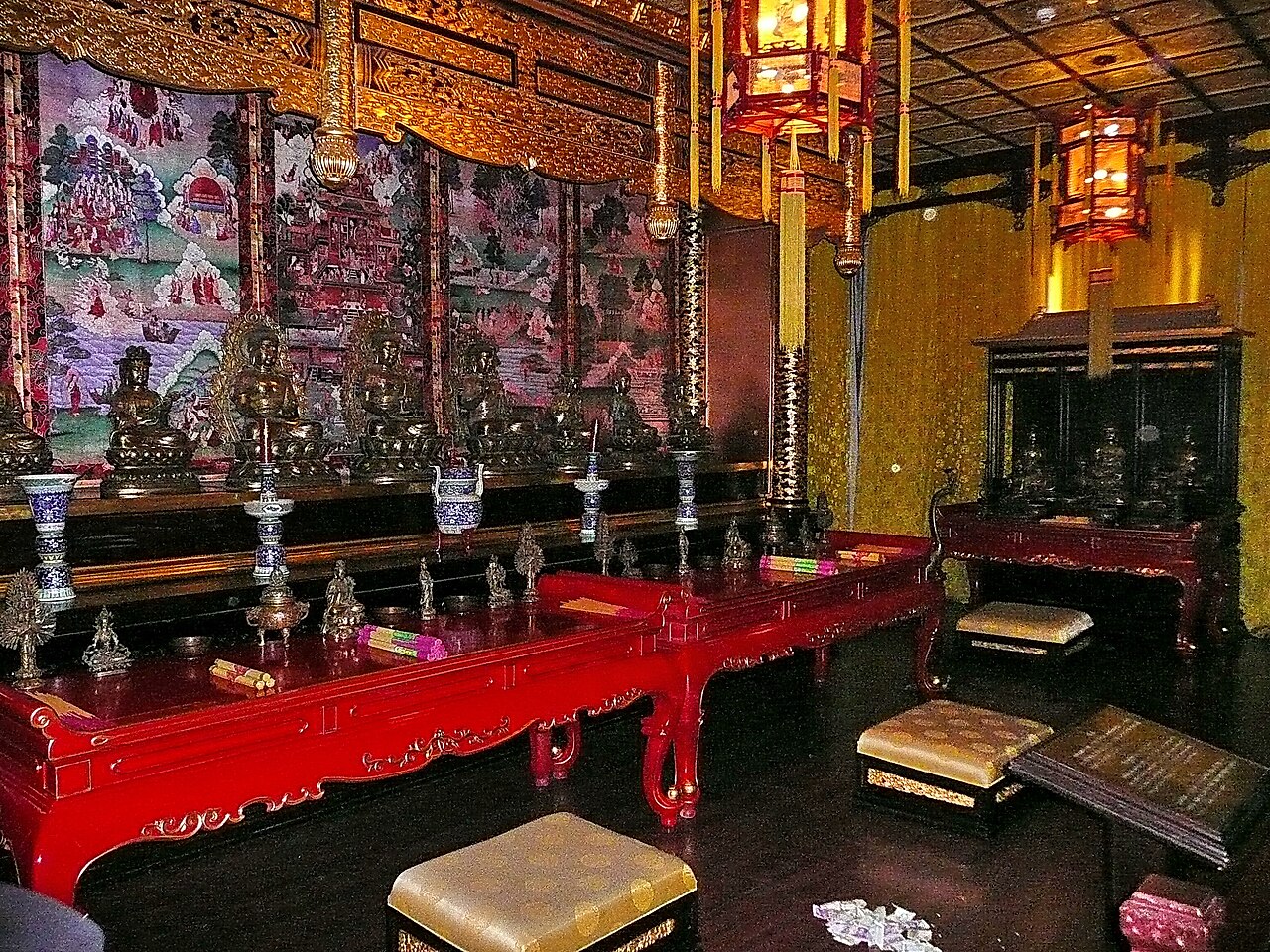
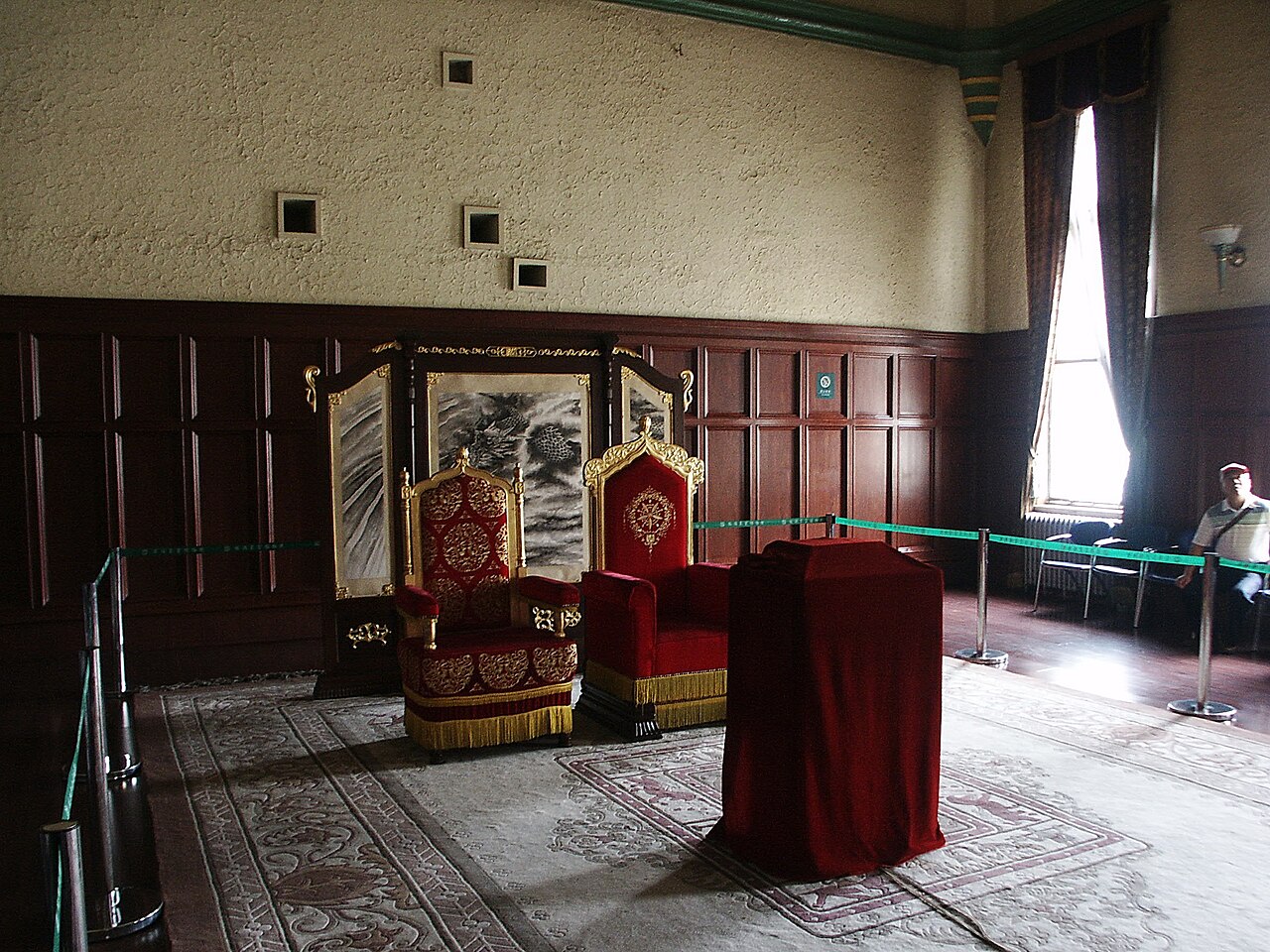
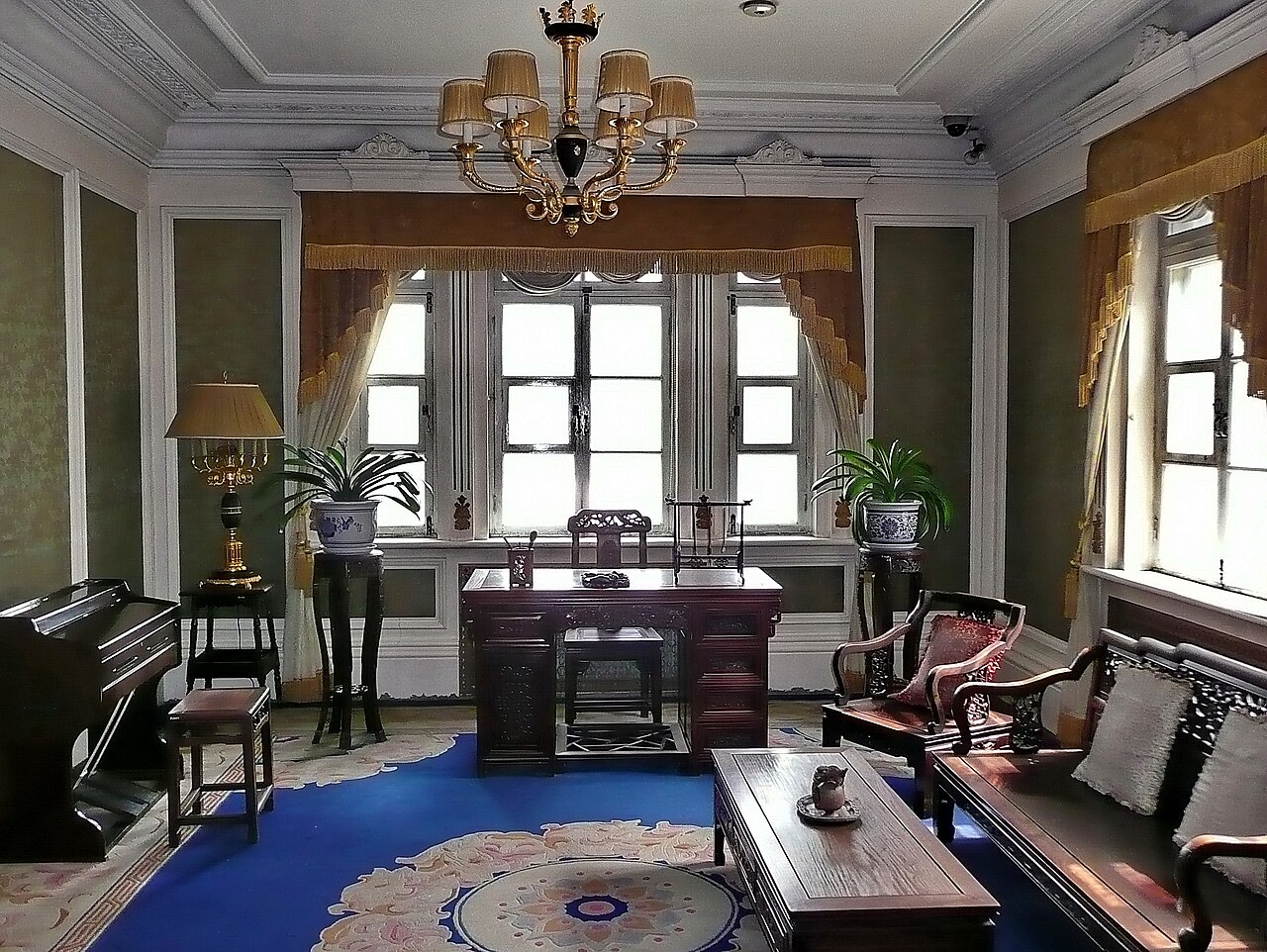
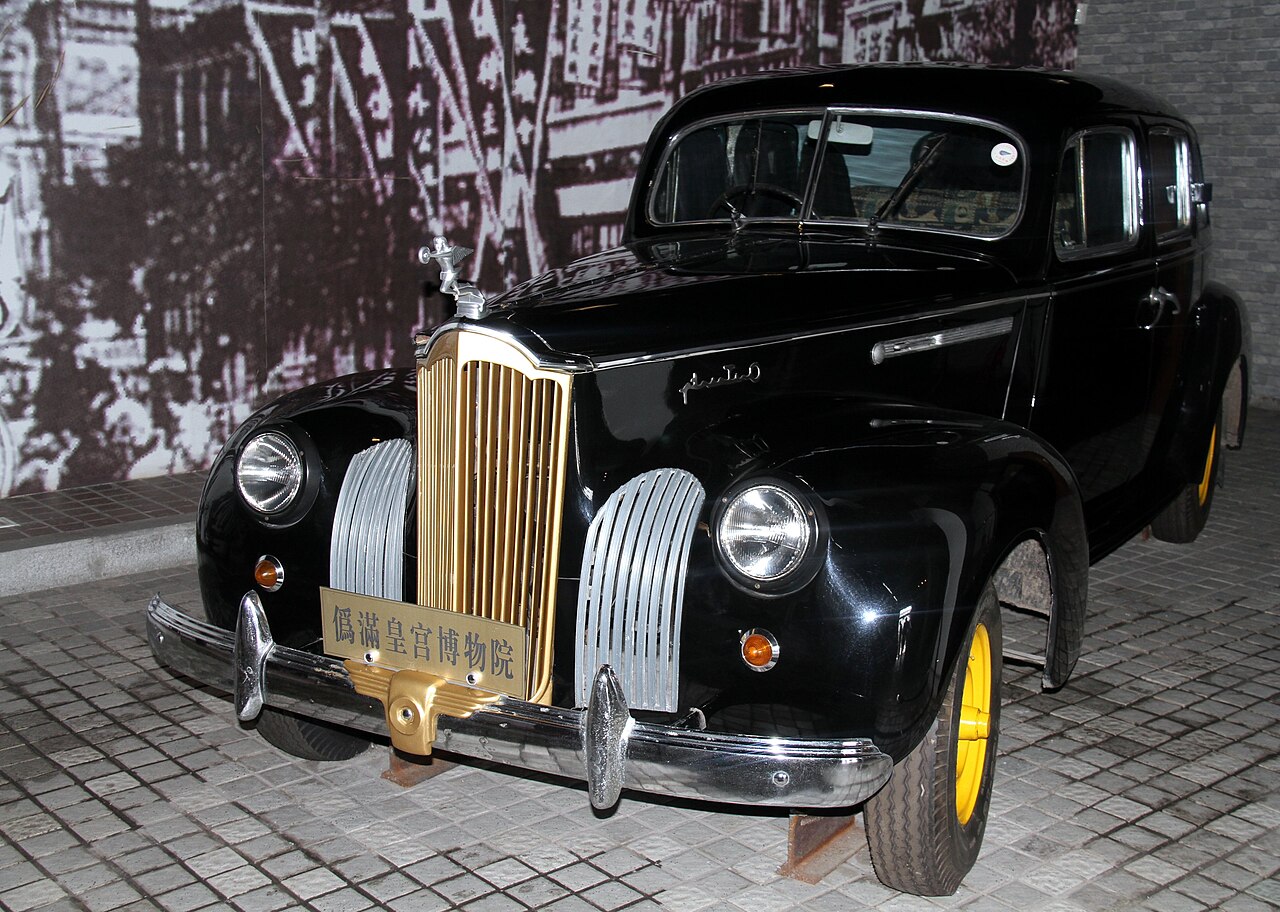
Halls in the complex have been restored with period furniture, thrones, lacquered tables and wall hangings, and rooms such as a study with a desk, piano and sofas. The grounds have a pond and trees, and a display of vintage cars used by the household stands outdoors.
Read as a whole, the site is a record of an unusual stretch of the last emperor's life, told through objects and rooms rather than a monument.