 Illustration
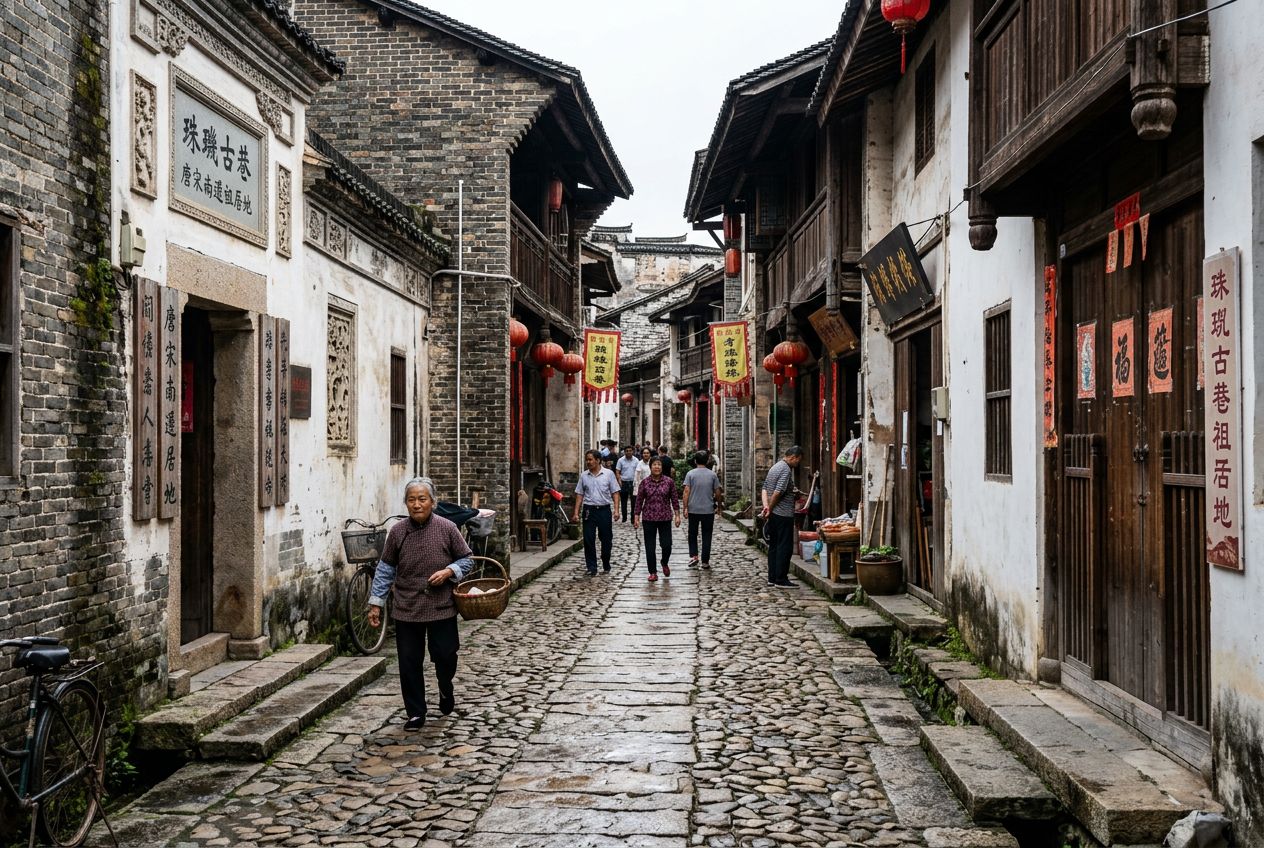
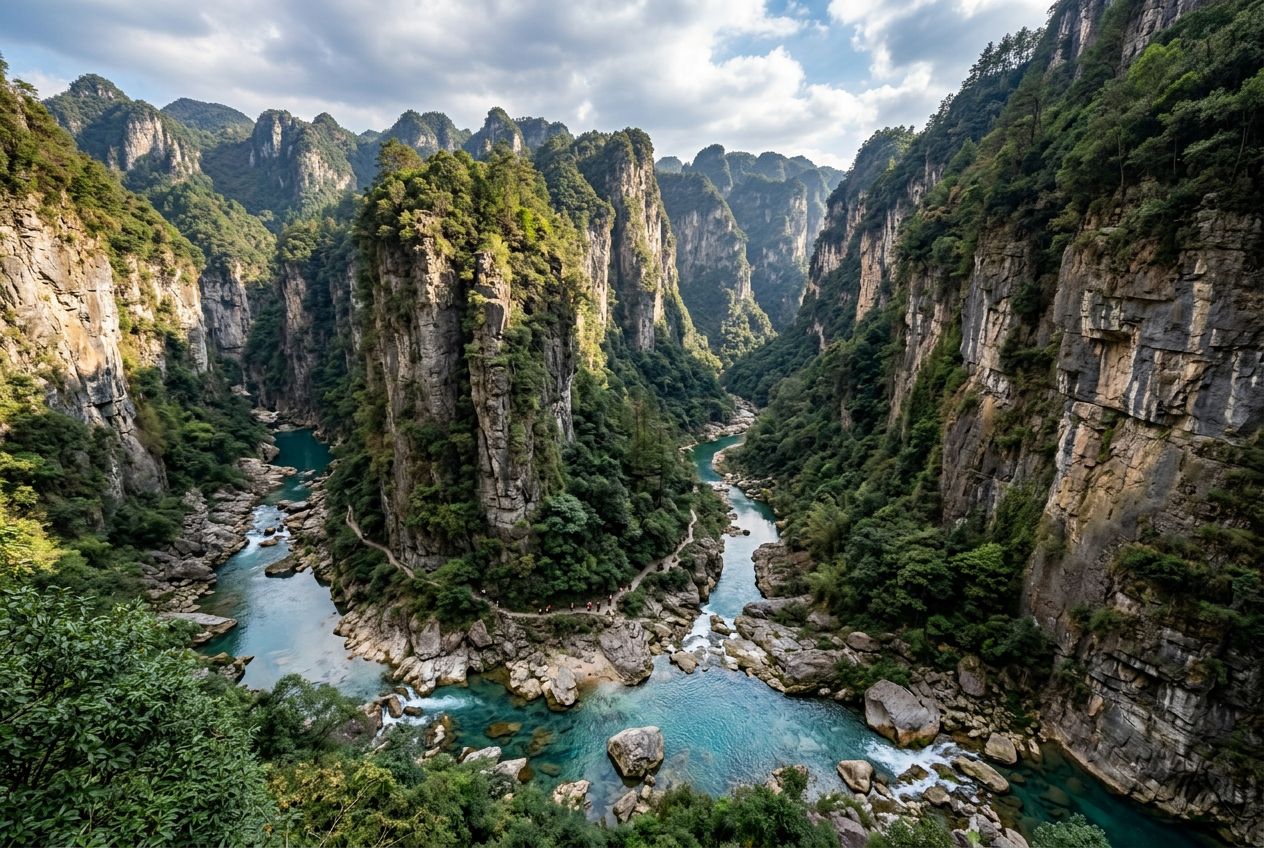
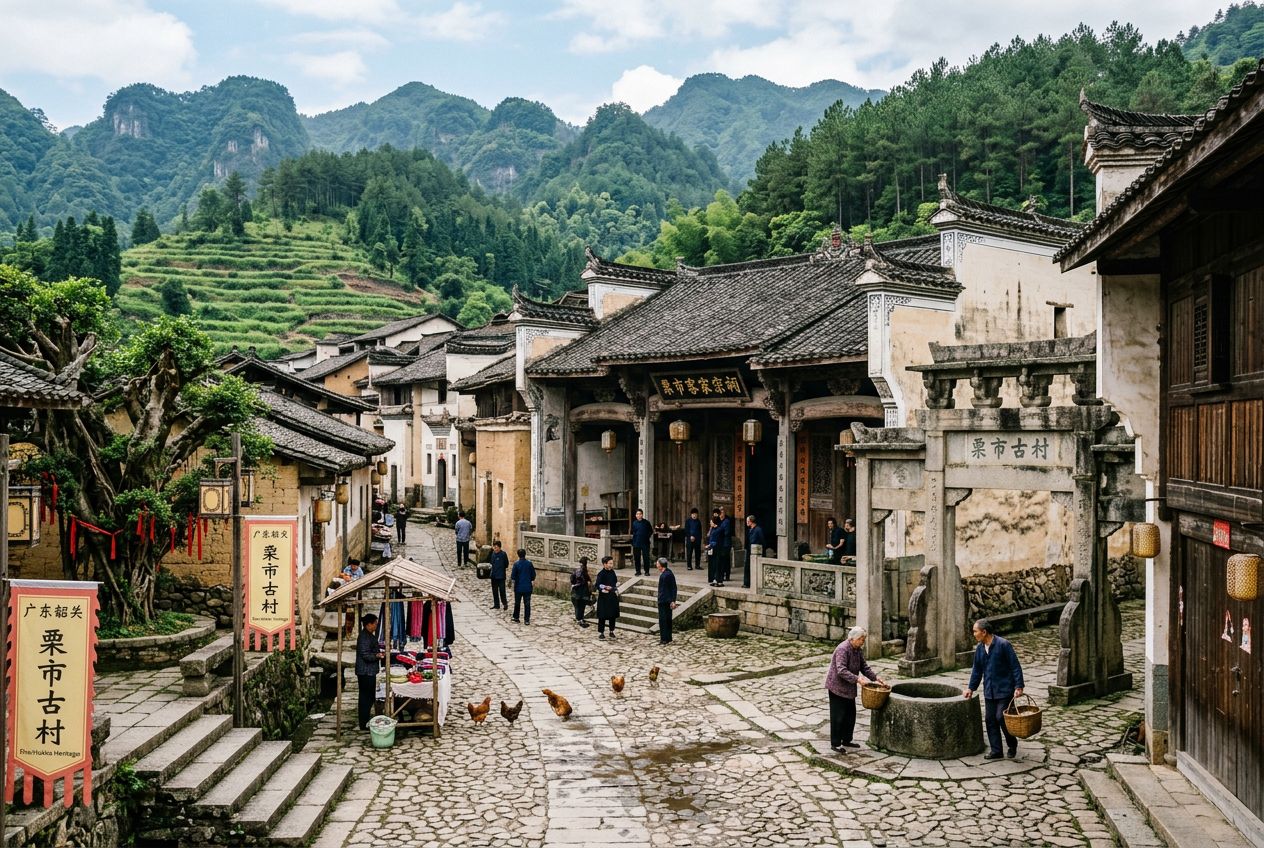
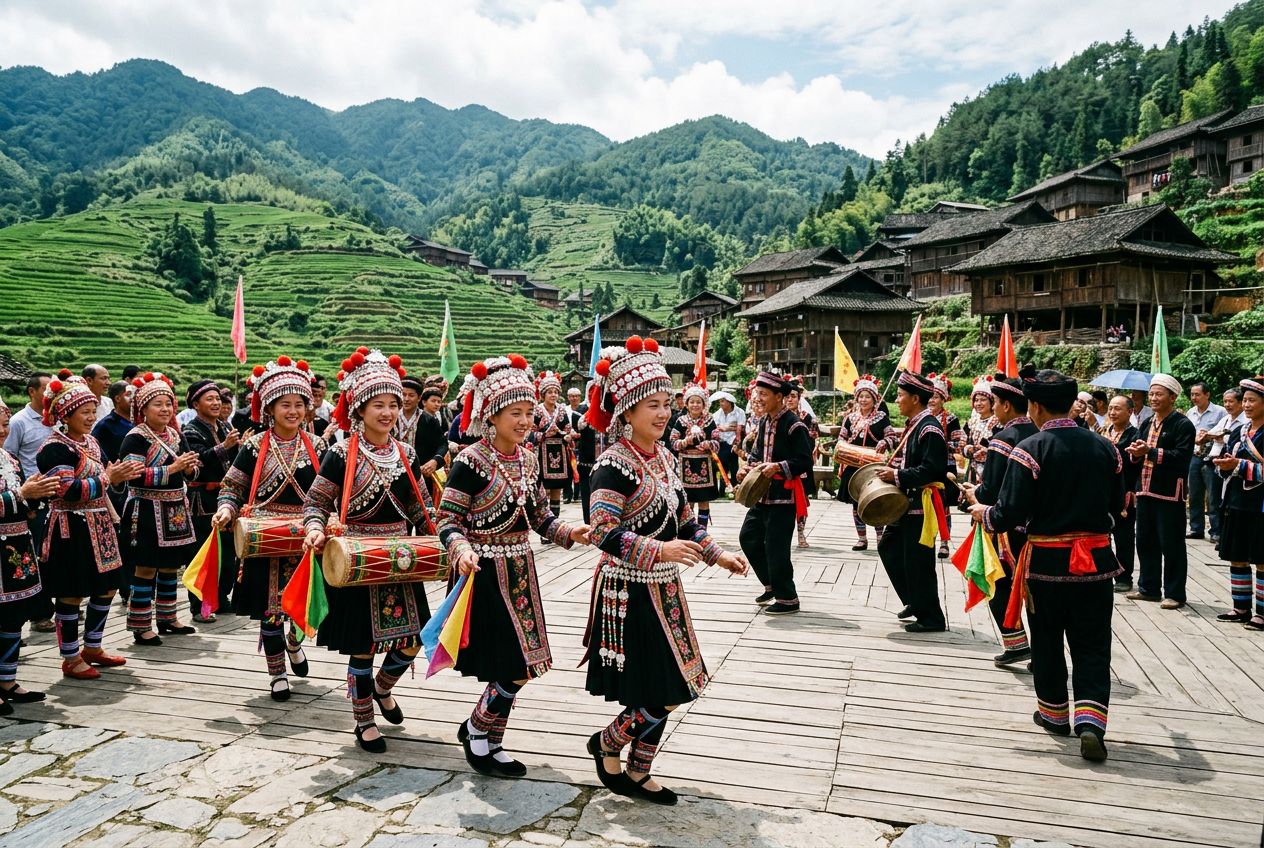
Shaoguan is northern Guangdong's most significant heritage and nature destination, combining UNESCO geological spectacle, one of the most important Buddhist heritage sites in East Asia, an ancestral lane connecting the global Cantonese diaspora to its origin, and a wilderness of canyons and ethnic minority villages that most Guangdong visitors never reach. On the Beijing-Guangzhou high-speed rail corridor, it's two hours from Guangzhou, yet sees a fraction of the visitors either provincial capital does.
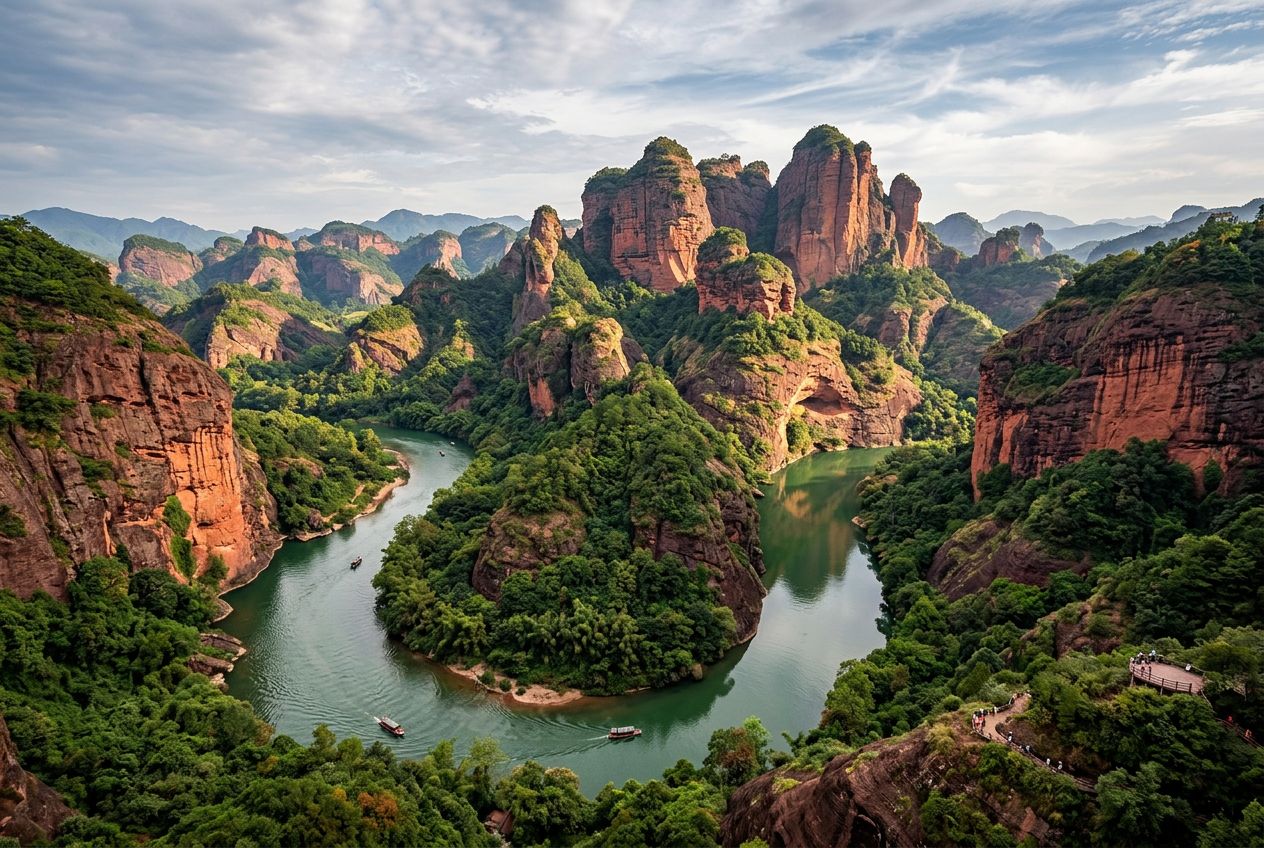
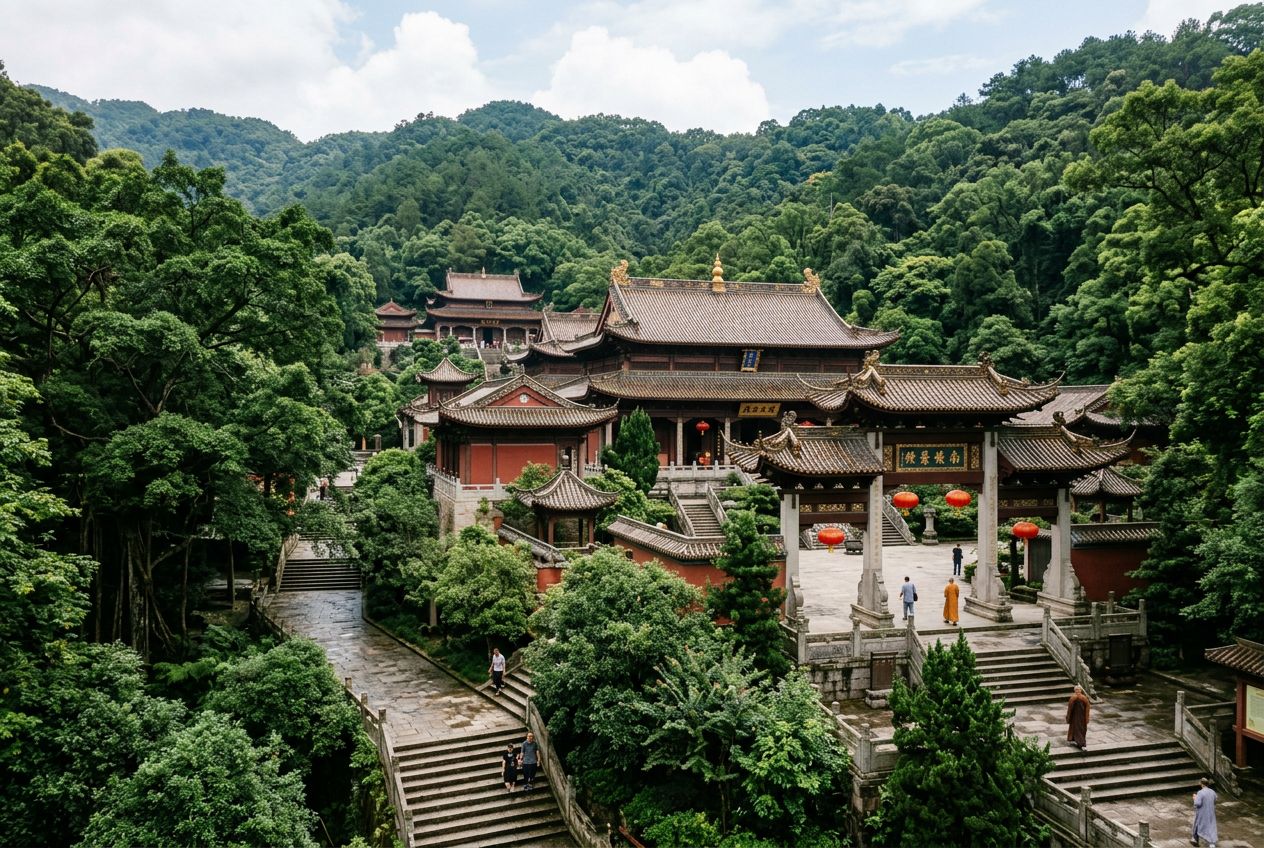
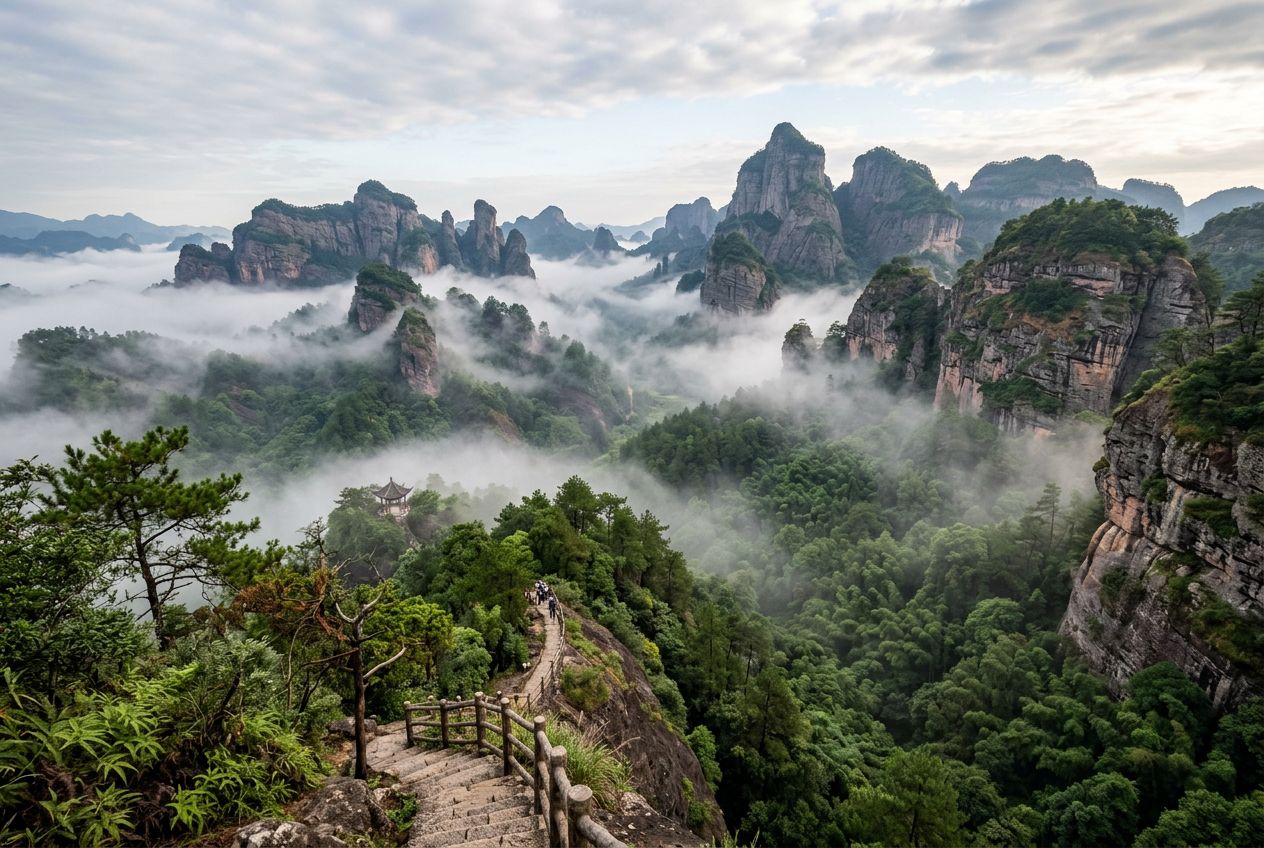
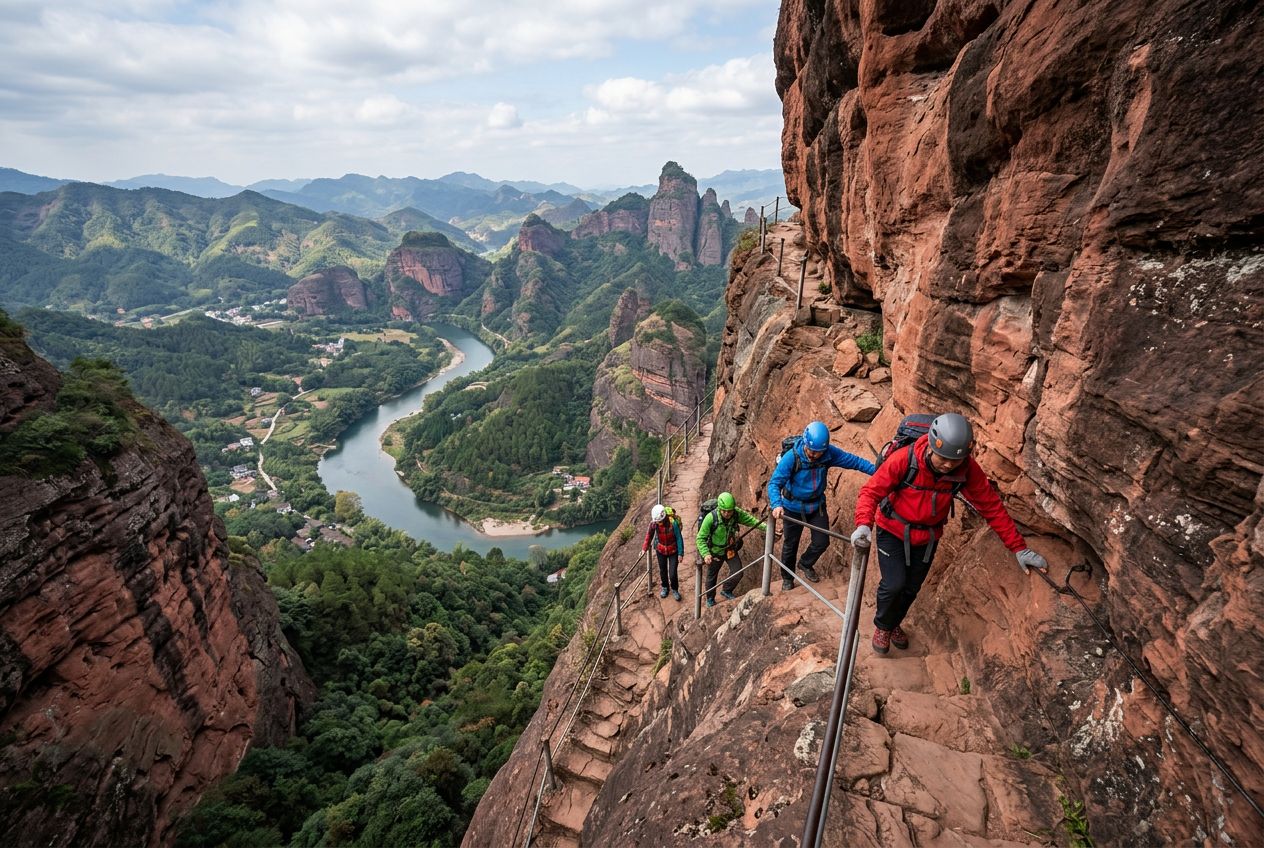
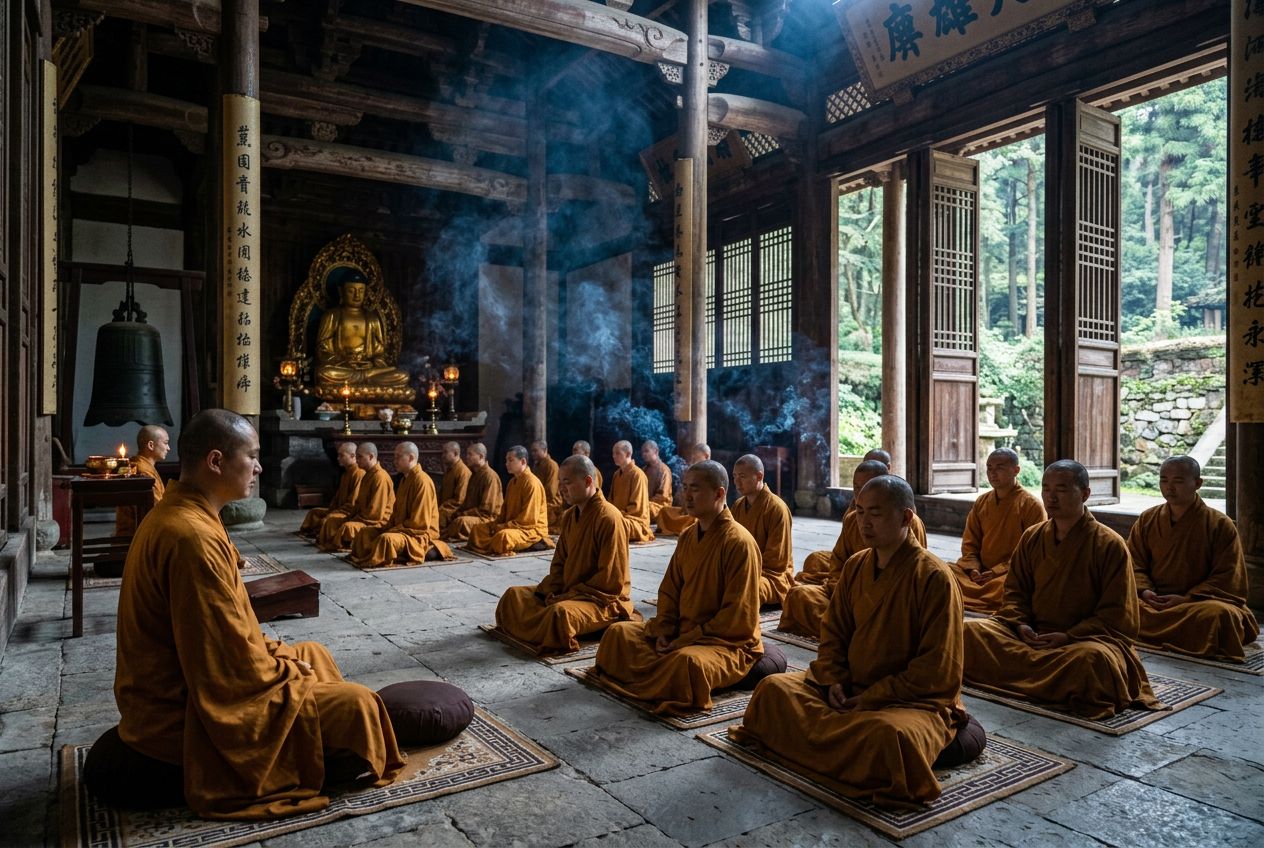
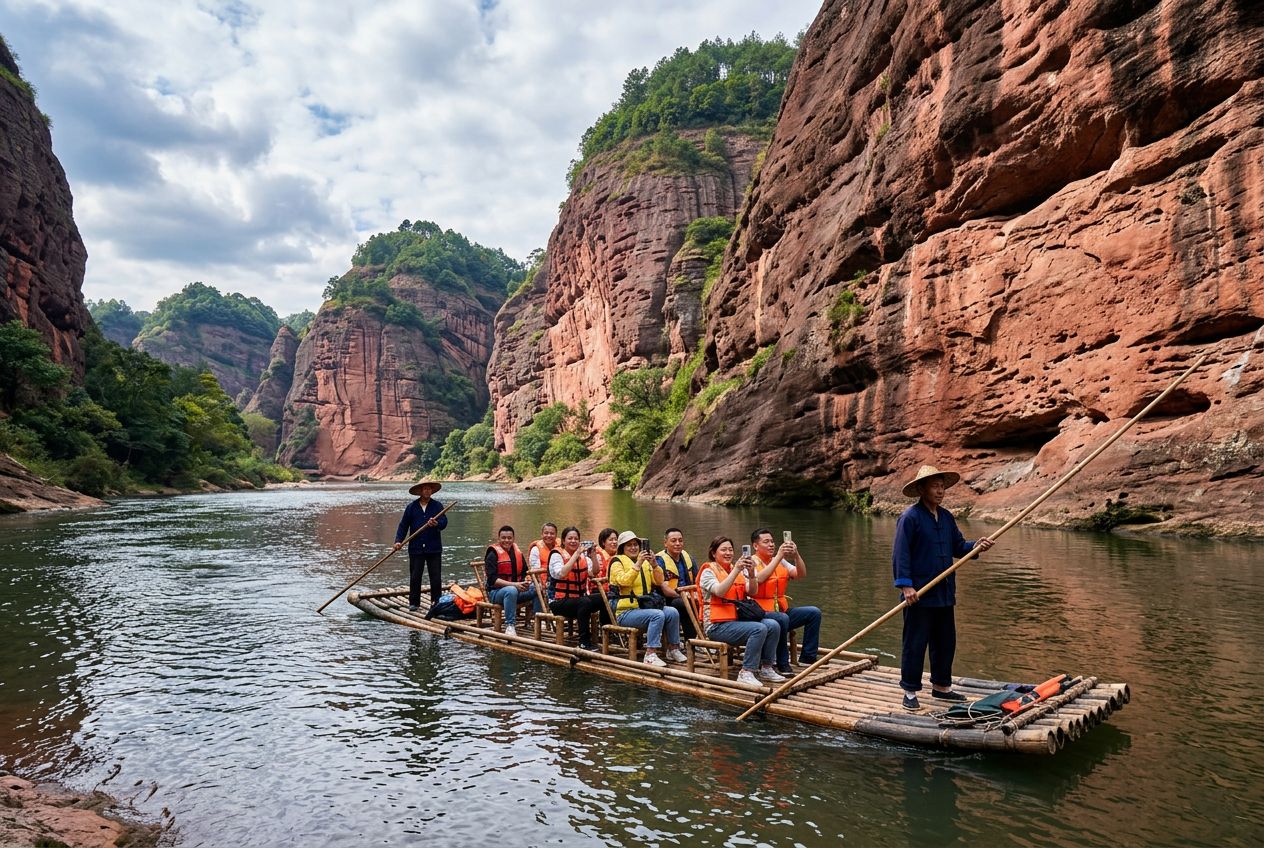
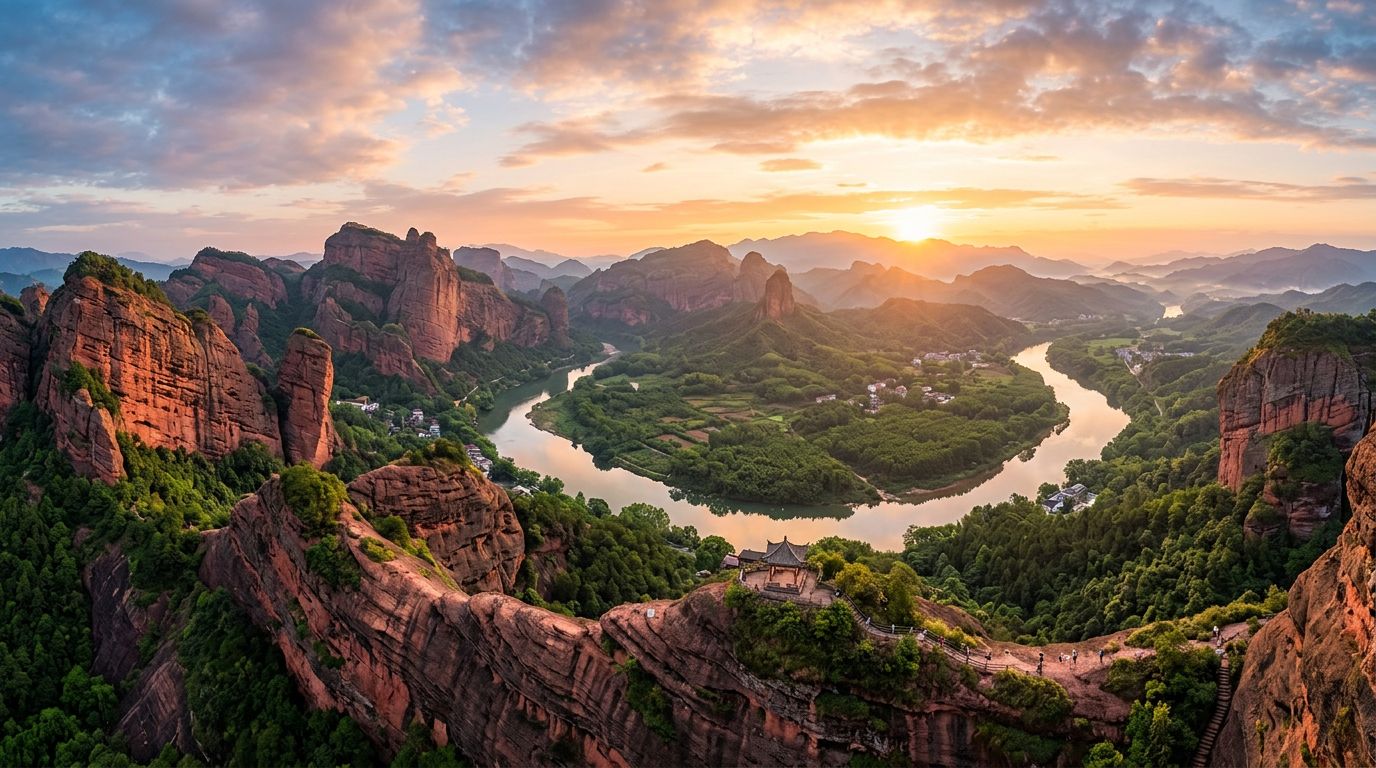
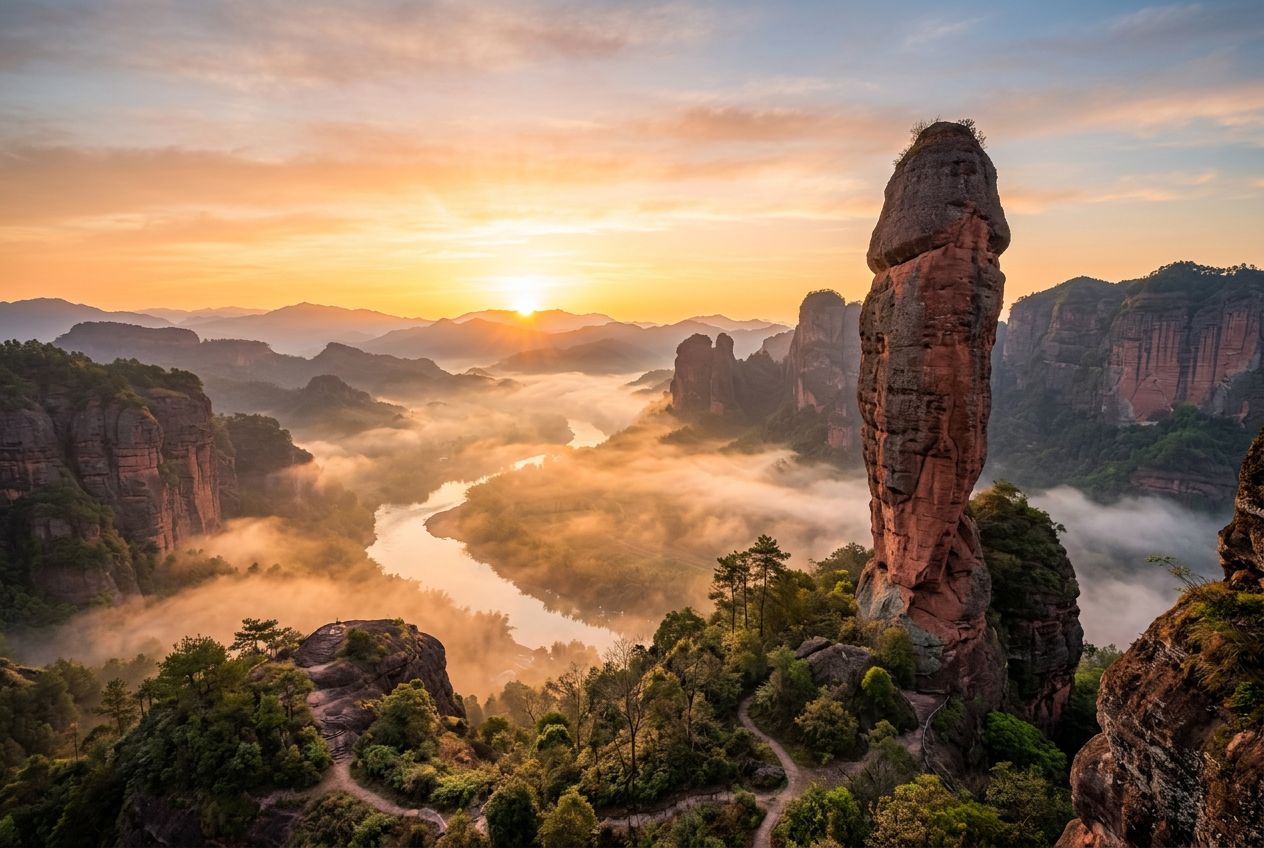
This is the mountain the landform is named after. Chinese geologists working here in the 1920s and 1930s gave the red bed sequence, and then the landscape itself, the name Danxia — 292 square kilometres of crimson Cretaceous sandstone cut by the Jin River into cliffs, caves, pillars and gorges, the type example everything else gets compared against. Twenty-four kilometres south, Nanhua Temple is where Huineng, the Sixth Patriarch of Chan Buddhism, taught and died in 713 AD; his embalmed body has been enshrined here for 1,300 years, and every line of Zen practiced anywhere today traces back through this hall.