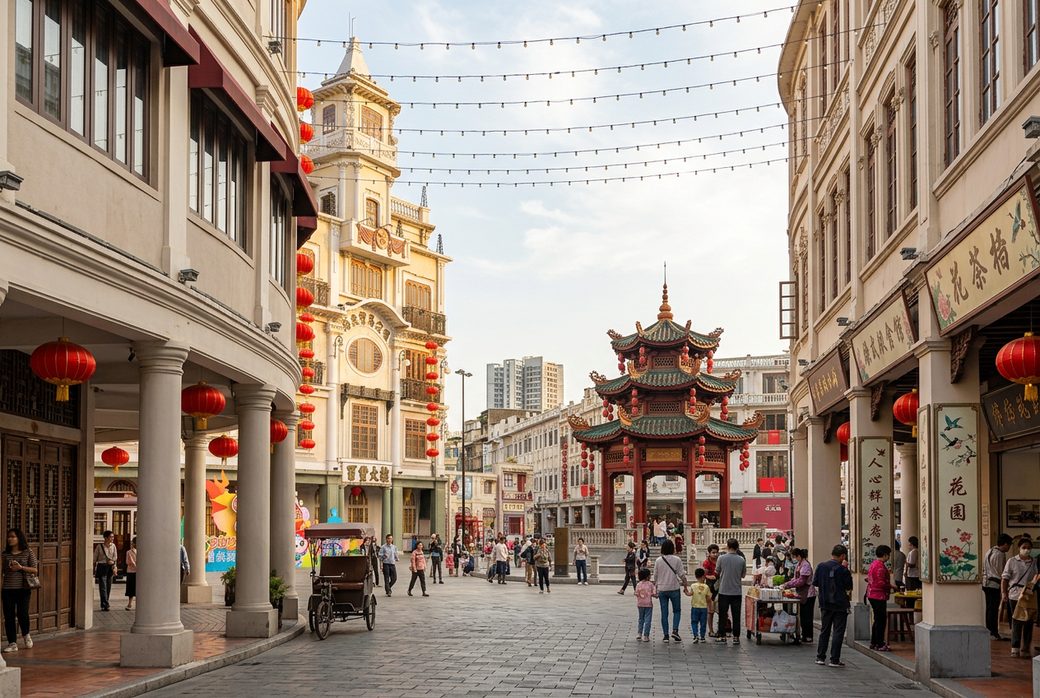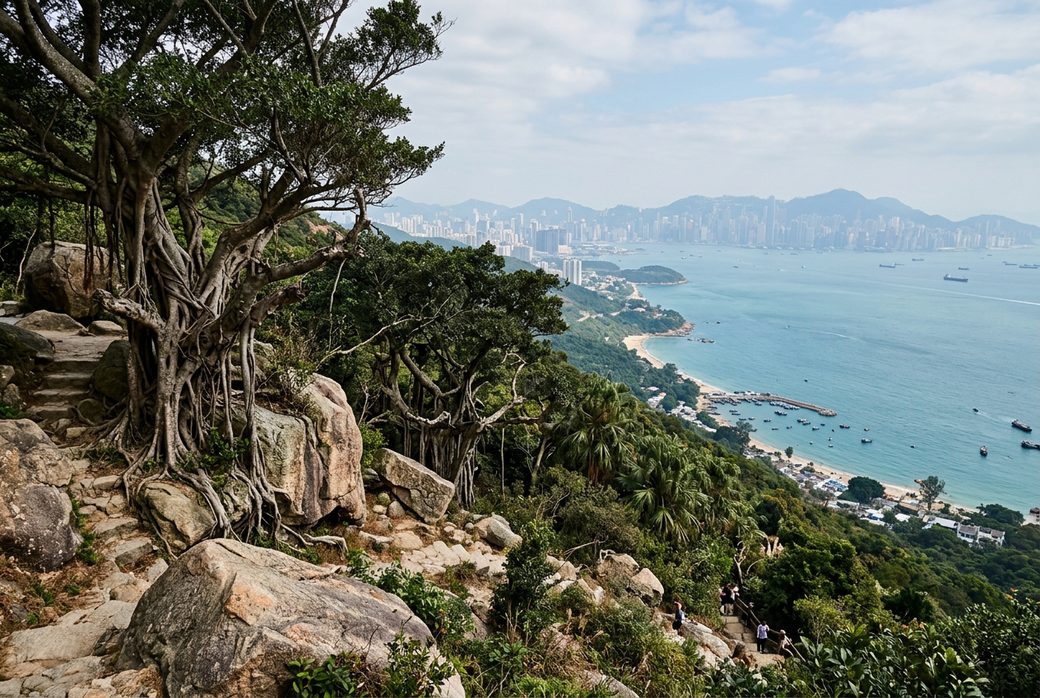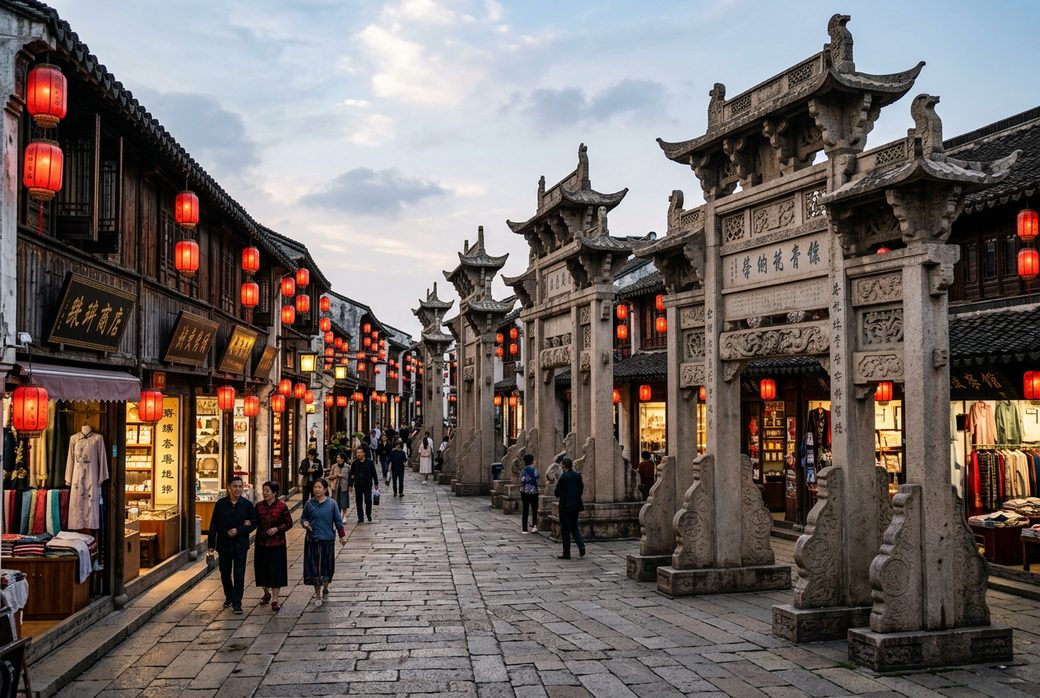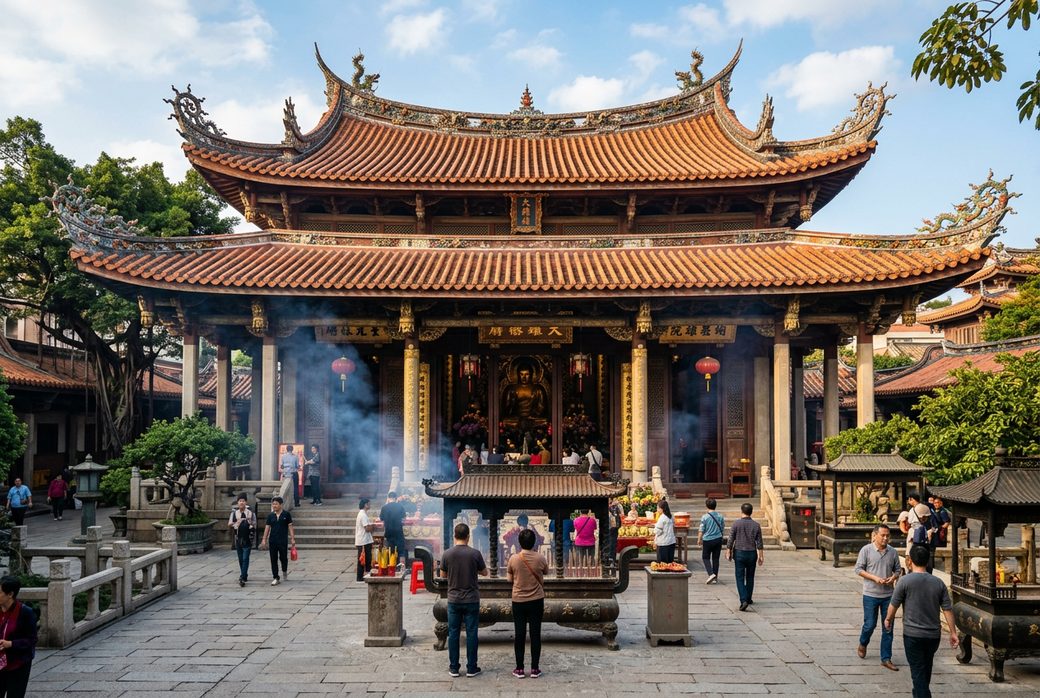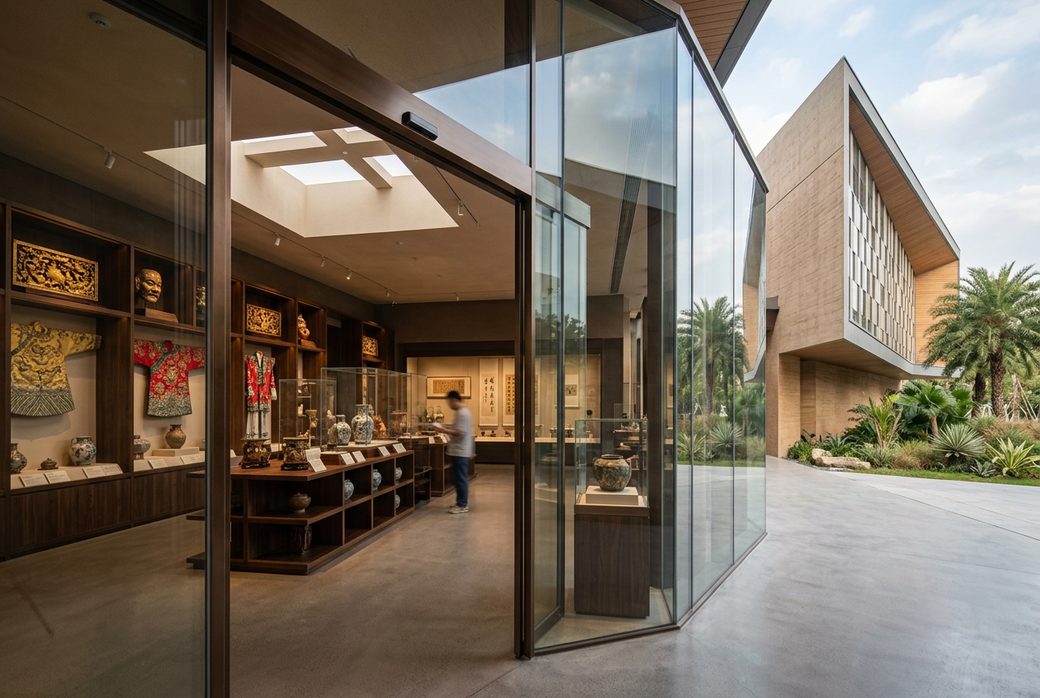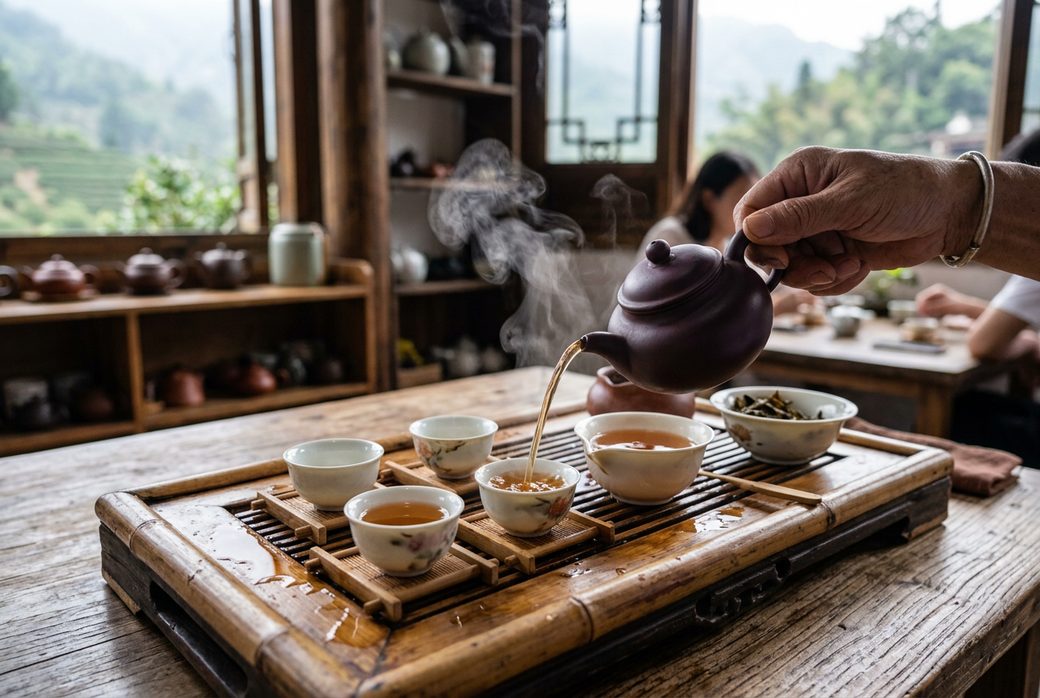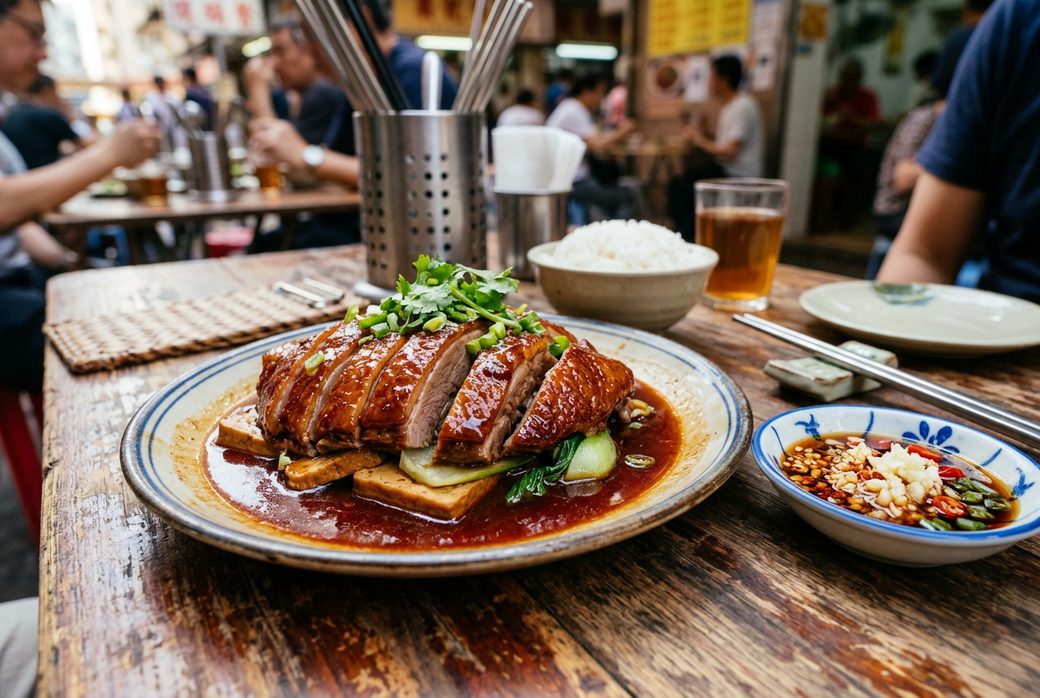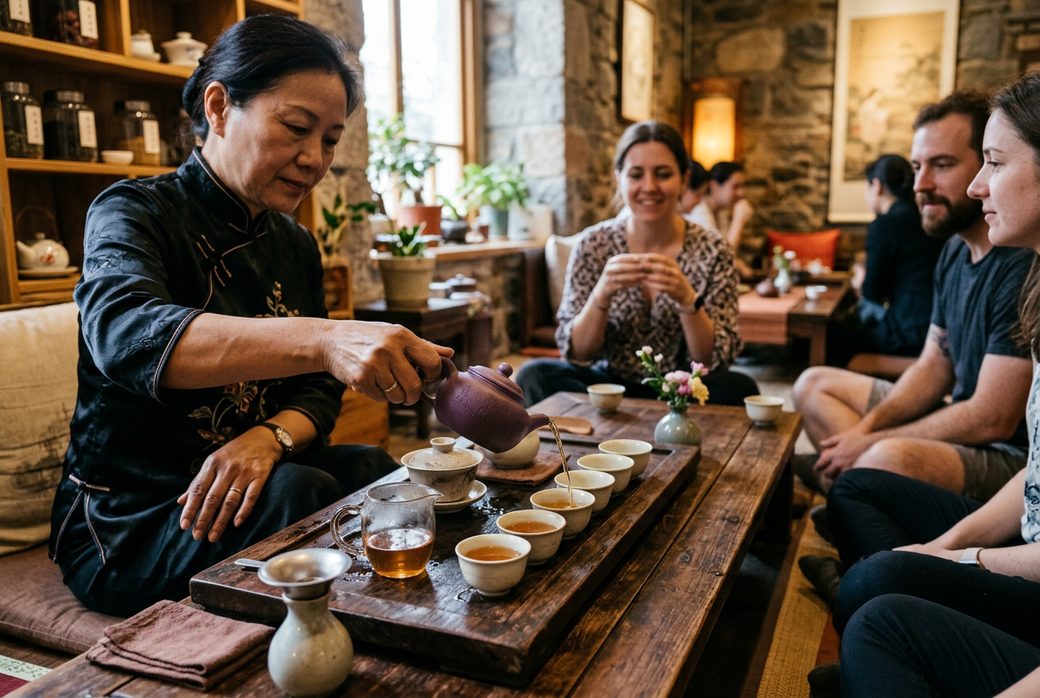

The Chaoshan people, the Teochew-speaking communities of eastern Guangdong centred on Shantou, Chaozhou, and Jieyang, have one of the most intensely maintained regional cultural identities in China. Despite centuries of mass emigration that scattered Chaoshan communities across Southeast Asia, the diaspora maintained its language, its cuisine, its tea ceremony, and its festival traditions with a fidelity that makes returning to Shantou feel, for overseas Chaoshan families, like arriving at an origin point that has been preserved precisely as they remember it. For visitors outside this community, the intensity of Chaoshan cultural pride, expressed above all through food and tea, is one of the most striking things about the region.
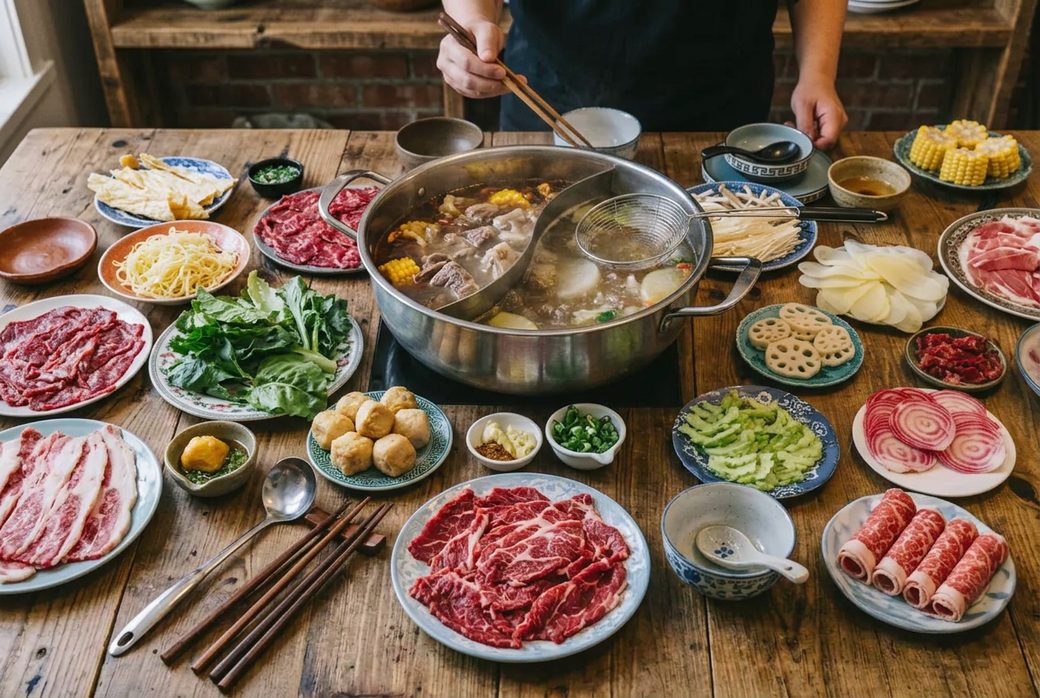
The Chaoshan beef hotpot has become China's most imitated regional hotpot style, but the original in Shantou operates at a standard of freshness, variety, and technical precision that the imitators have not matched. Cattle slaughtered after midnight are broken down by specialist butchers who supply the hotpot restaurants by early morning, the meat arriving so fresh that it changes colour as it cooks, and the fifteen or more named cuts, each with its own texture and recommended cooking time, represent a level of butchery knowledge applied to a single protein that is unmatched in Chinese food culture.