 Illustration
Laibin is the least internationally known of Guangxi's major prefectures, a territory whose combination of exceptional natural environments, significant ethnic minority heritage, and the most architecturally impressive native chieftain complex in the autonomous region creates a depth of interest that the absence of one dominant landmark has kept from wider recognition. Visitors expecting another Guilin karst tour or Beibu Gulf coast find instead something more complex and more culturally layered than either.
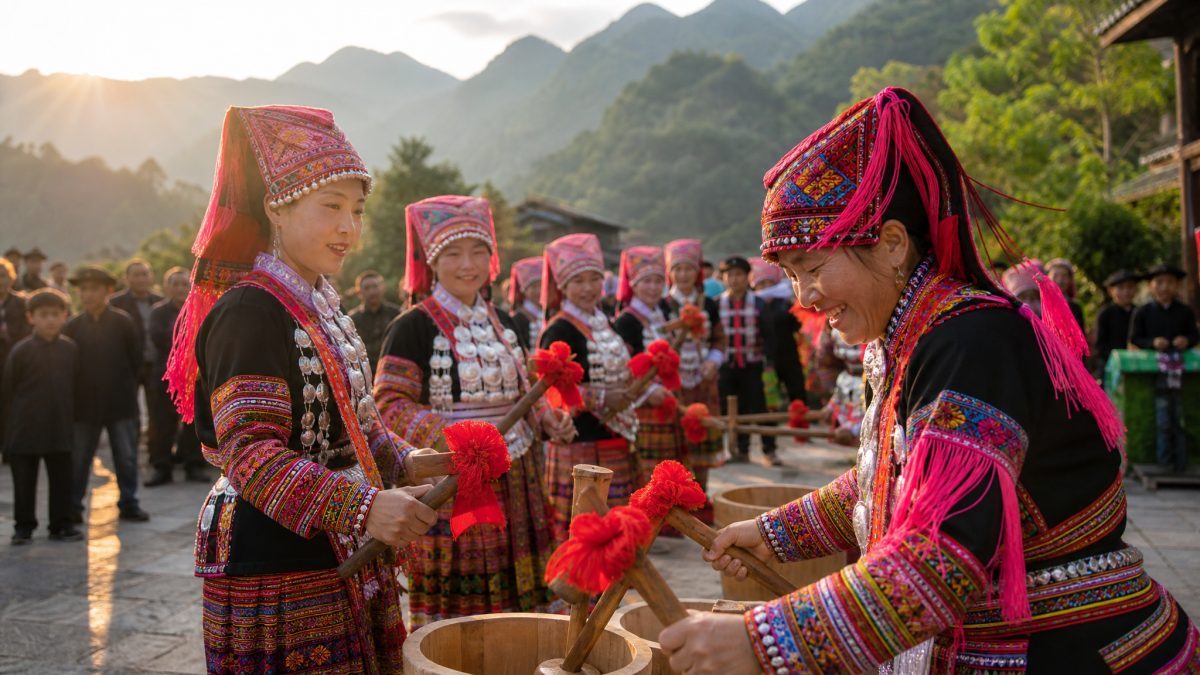
The Dayao Mountain of Jinxiu County, a highland forest massif over 1,200 square kilometres, holds over 1,400 plant species and more than 200 bird species — biodiversity few Guangxi mountains can match — and five distinct Yao subgroups have inhabited its villages for a thousand years. The Xincheng Tusi Yamen, the Mo clan's administrative complex governing under the Ming and Qing tusi system, preserves the physical record of imperial China's pragmatic accommodation of powerful local leaders in the southern borderlands more completely than any comparable site in Guangxi.