 Illustration
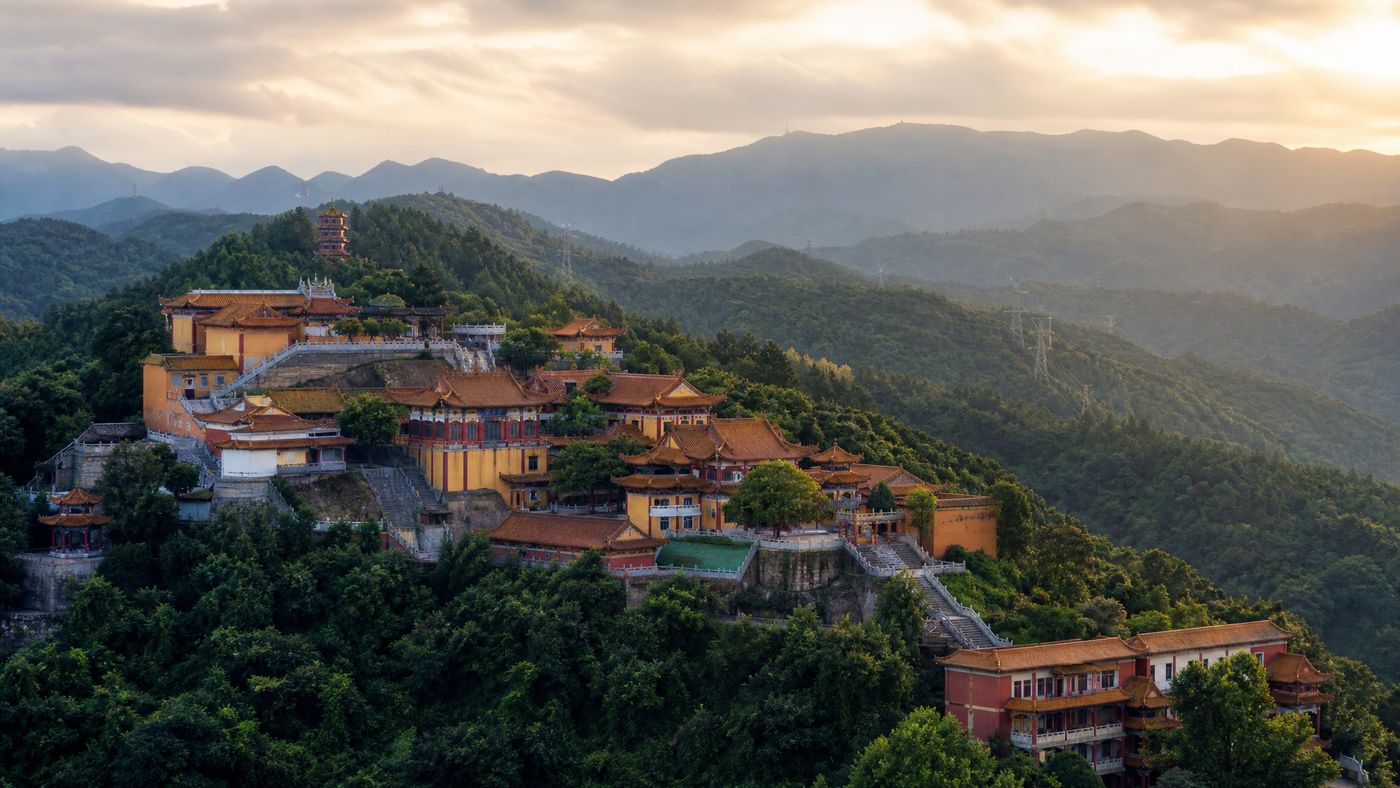
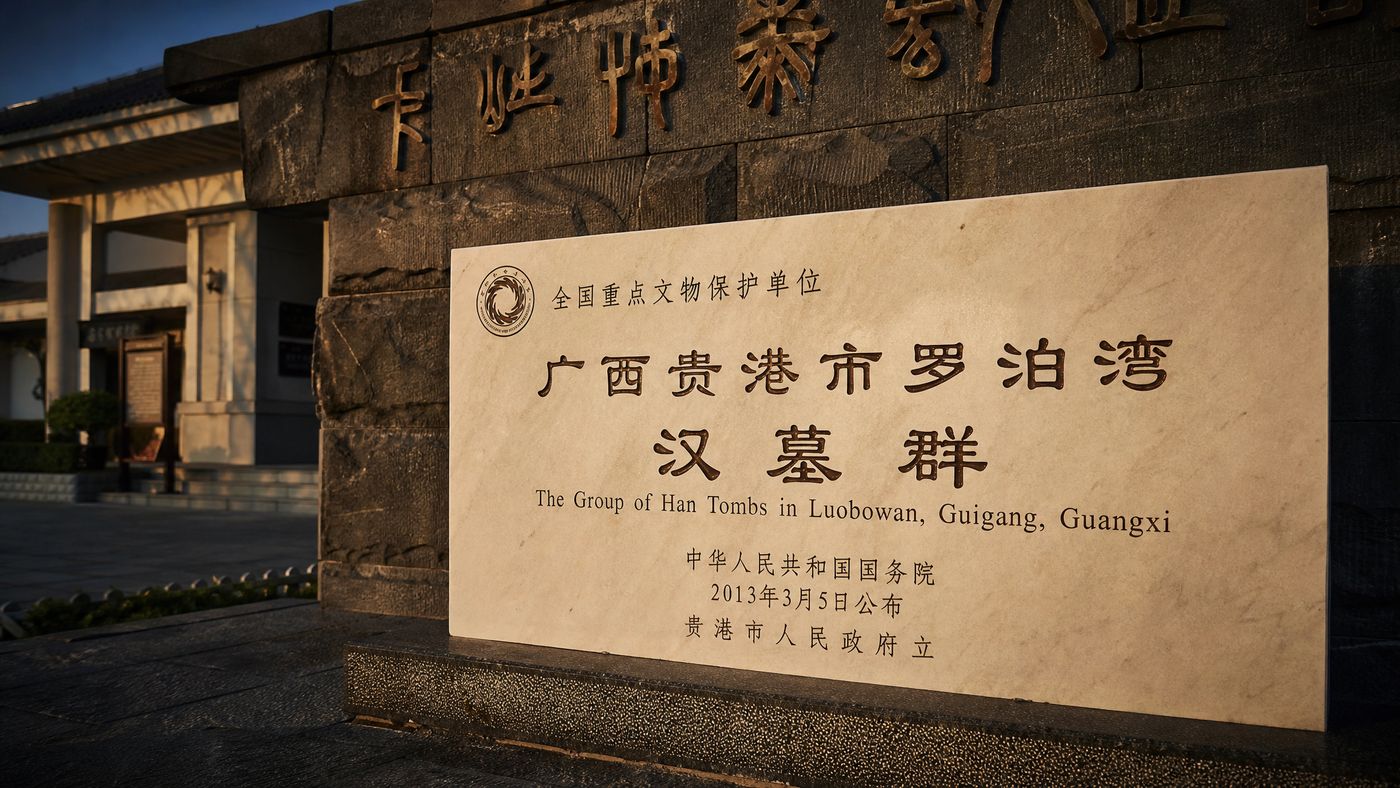
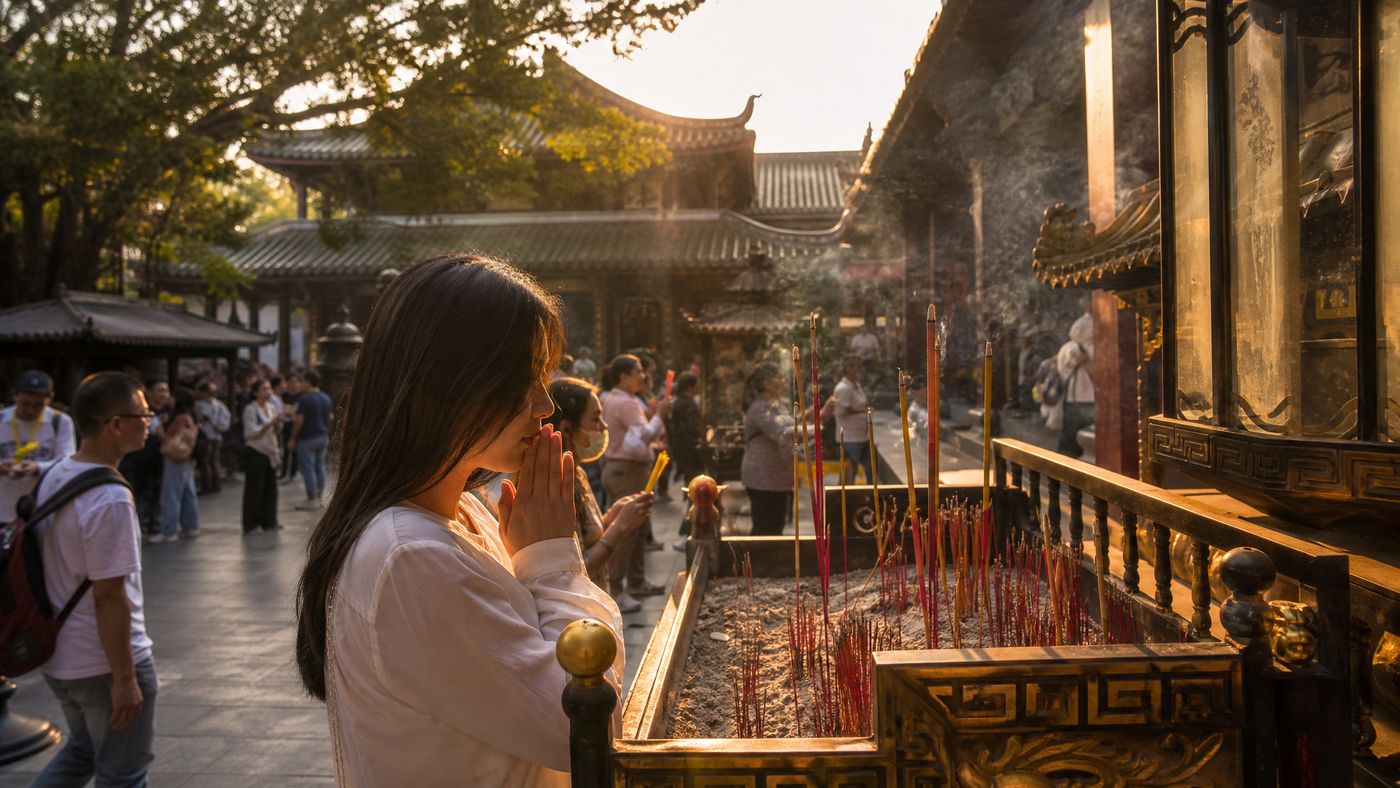
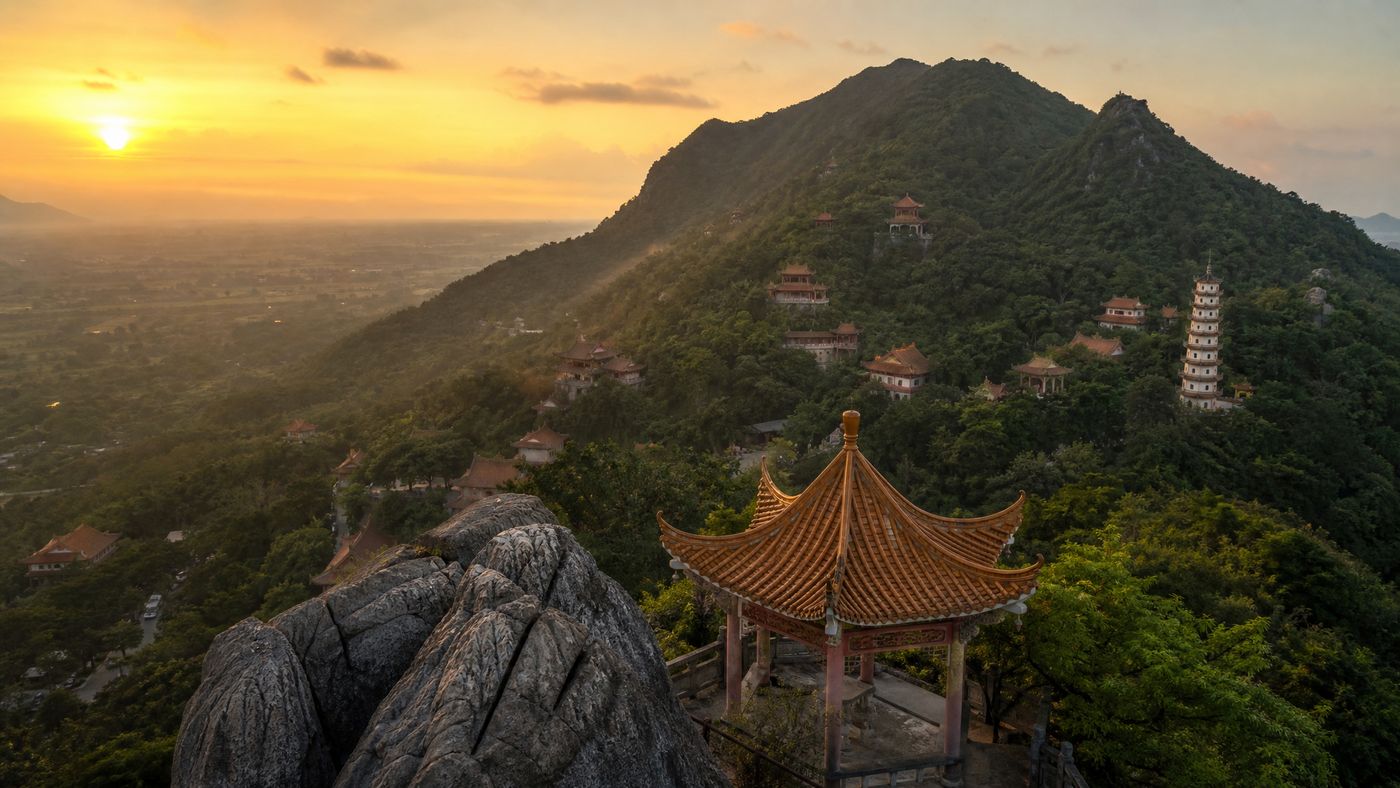
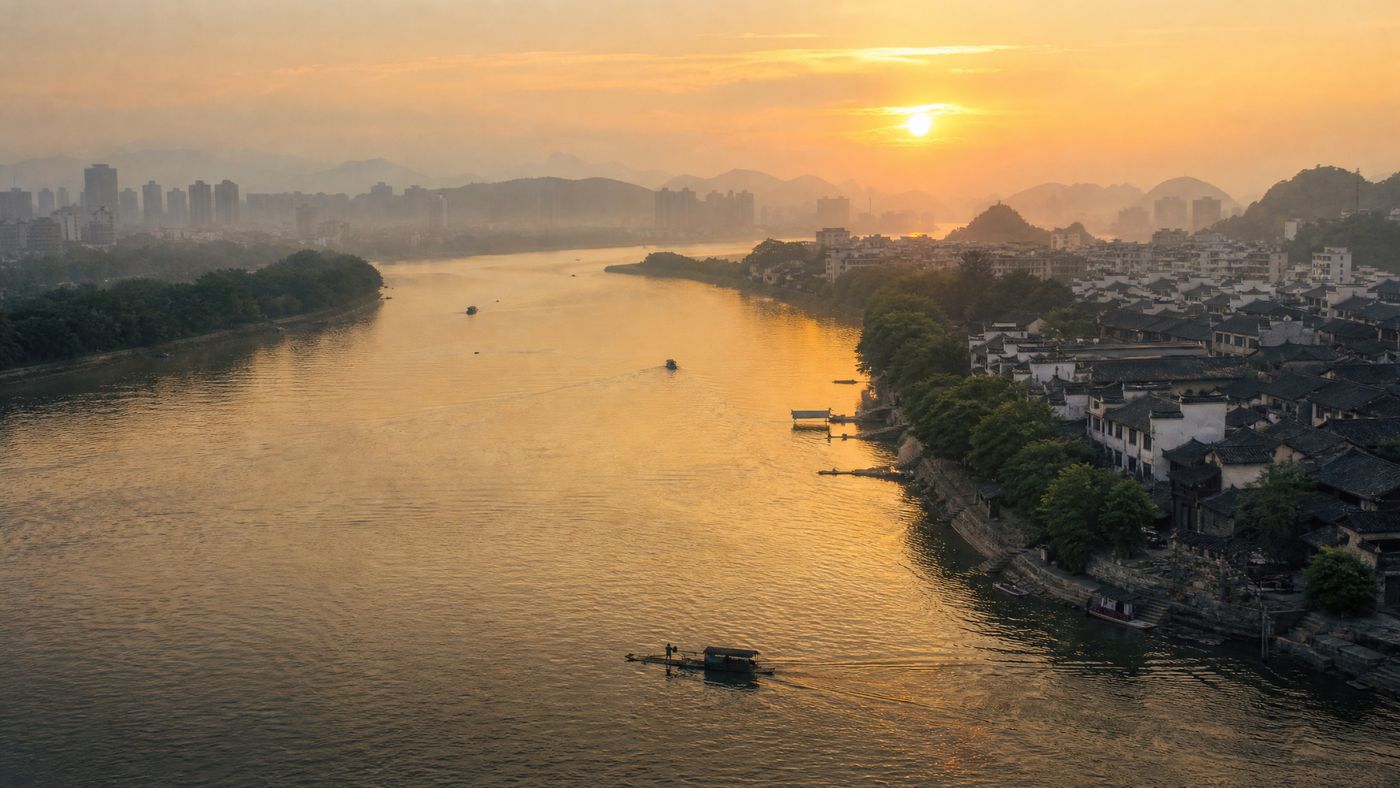
Guigang sits on the Yu River at the point where eastern Guangxi's agricultural plain meets the first hills of the interior, a geographical position that made it a significant river port for two thousand years. Nanshan Temple stands on the forested hill above the south bank, founded in the Tang and extended under the Song and Ming — the largest Buddhist complex in this part of Guangxi, with a monastic community on the site for a thousand years without a break. The buildings step up the slope under the trees, so you climb through the complex rather than walking across it.
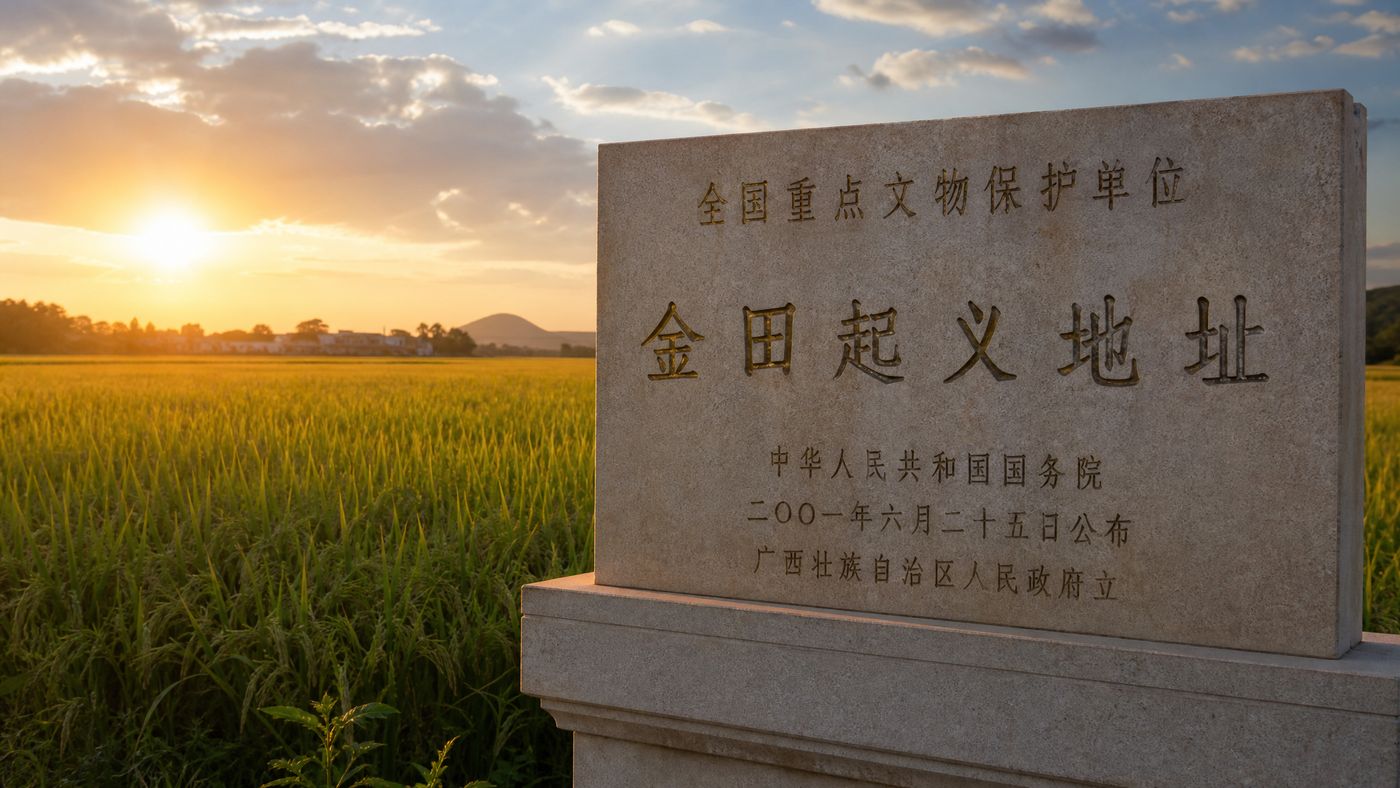
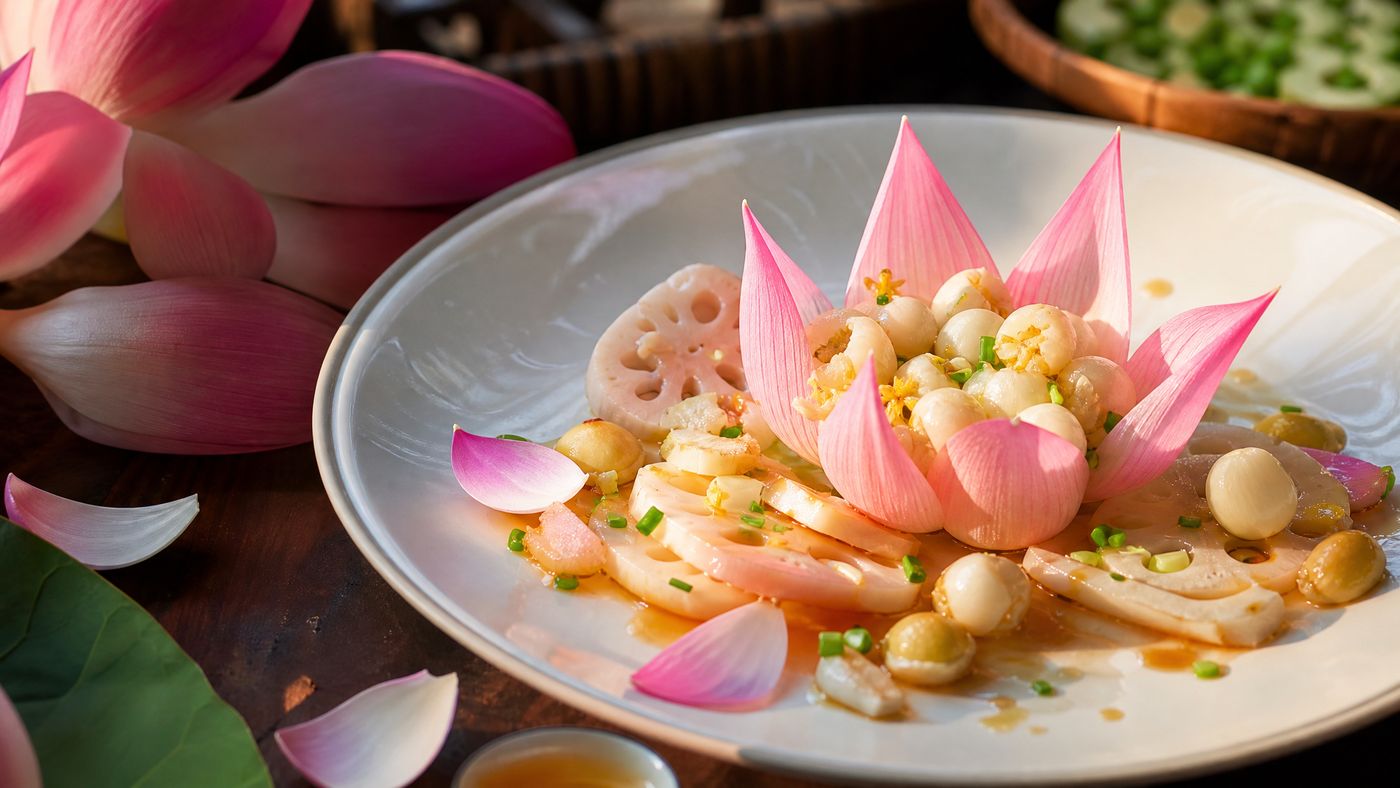
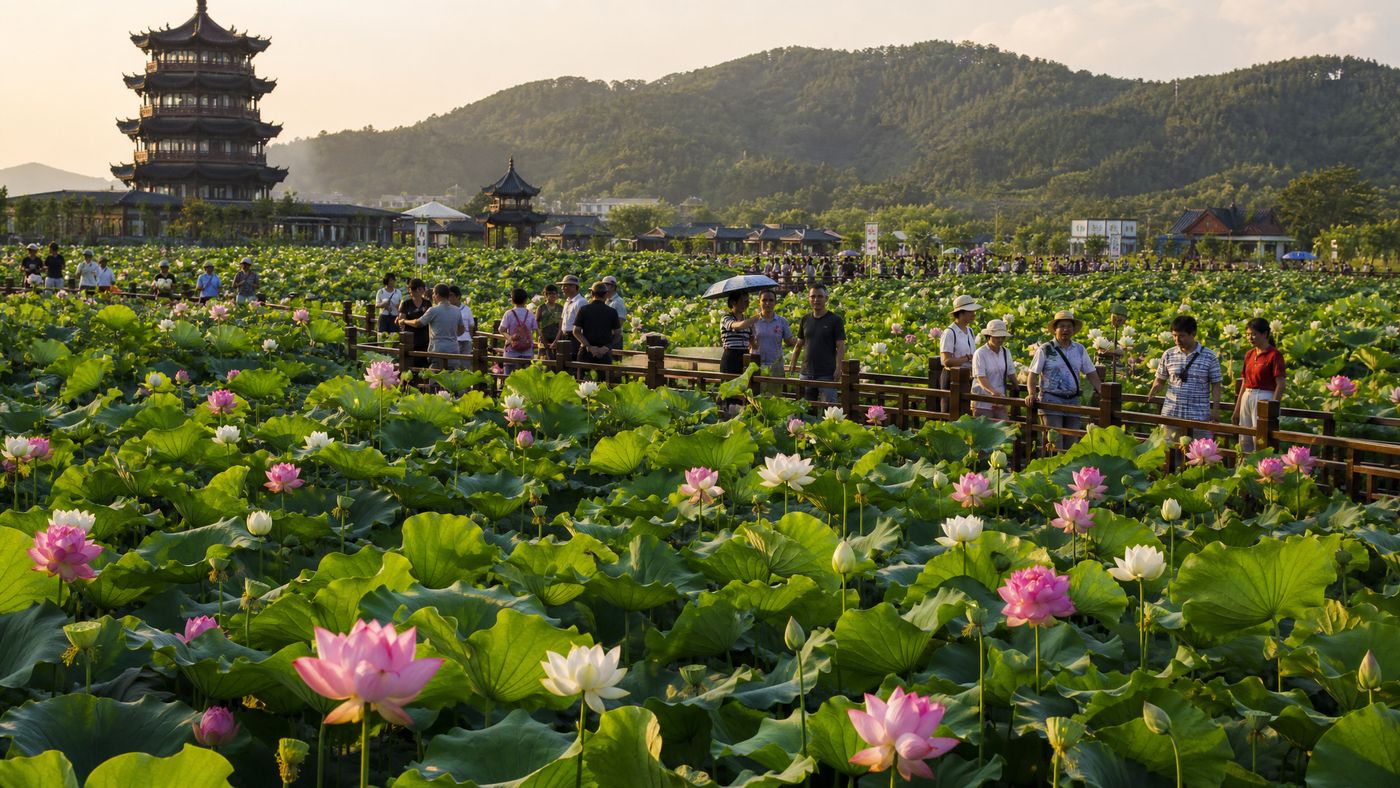
The Jintian Uprising site in Guiping County is where Hong Xiuquan declared the Taiping Heavenly Kingdom in January 1851, initiating the most devastating civil war in Chinese history — an estimated 20–30 million deaths over fourteen years. Guigang's lotus cultivation, the most extensive in Guangxi, gives the prefecture its most visually spectacular summer identity: thousands of hectares of the Yu River plain in pink and white flower from June through August, earning the city its nickname as China's lotus city.