
Baoji is in Shaanxi, in Northwest China.
Home › Destinations › Shaanxi › Baoji
Shaanxi · City Guide
Baoji, Where the Word China Was Initial Written.
Overview
Why Go
The He zun, cast about three thousand years ago and found near Baoji in 1963, carries an inscription containing an early written use of the two characters now read as China. The vessel is in the city's bronze museum.
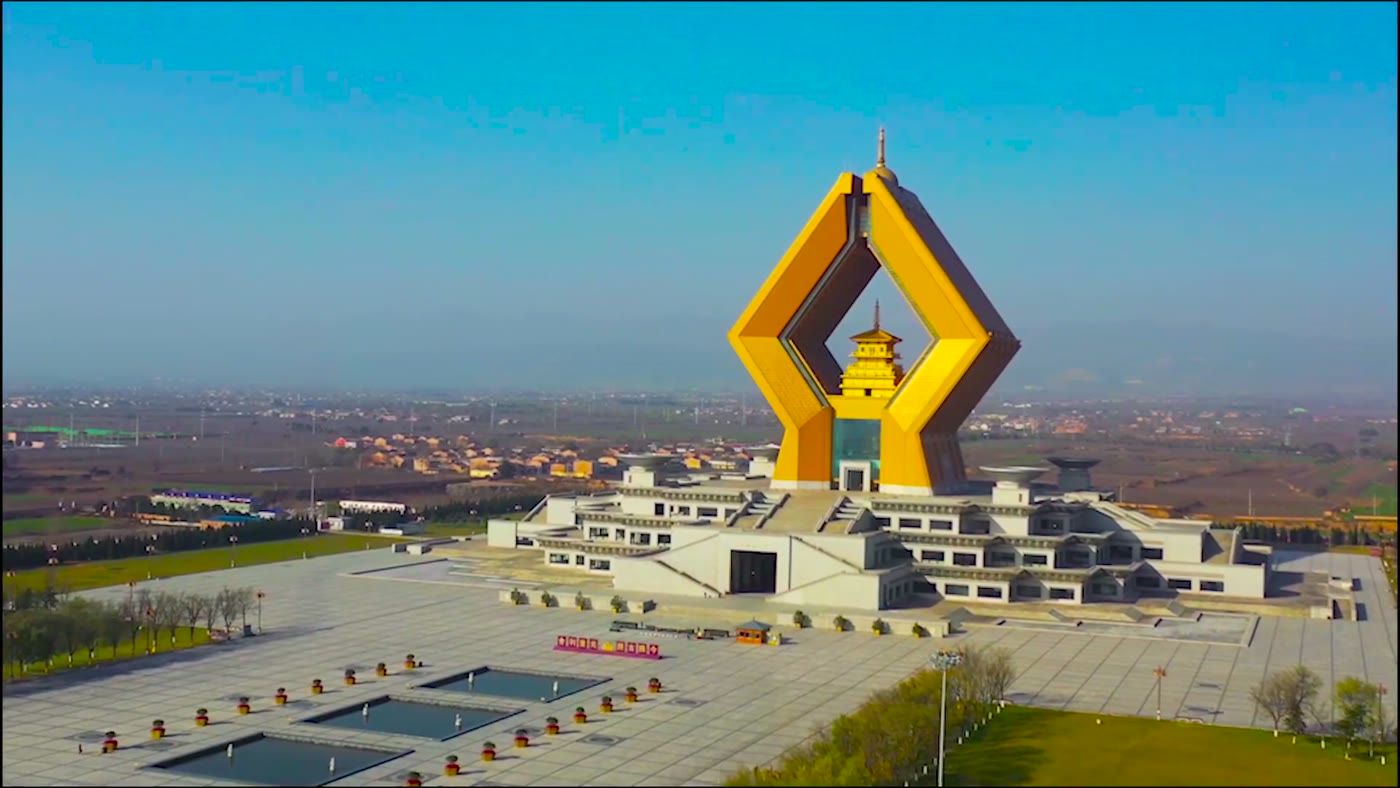
A pagoda collapse at Famen Temple exposed a sealed Tang crypt holding a finger bone venerated as the Buddha's, inside four nested reliquaries, with some two thousand pieces of imperial gold, silver, glass and silk around it.
Mount Taibai reaches 3,771 metres, the top of the Qinling range and the summit of mainland China east of the Tibetan Plateau. It carries glacial lakes and snow into early summer, two hours from a subtropical valley floor.
The Zhou people moved onto the Zhouyuan plain at Qishan before they took the Shang throne. The foundations, oracle bones and bronze hoards found there are why this one prefecture has produced so much of what we know about early Chinese writing.
Fengxiang makes painted clay figures and woodblock New Year prints, both on the national intangible heritage list. The tiger design has twice been used on a Chinese zodiac stamp, which is how many people in China initial saw it.
See
A large museum in China given over to bronzes, in the region that has produced more inscribed vessels than any other. The He zun is the piece people come for; the inscribed basins and bells around it are how the Zhou recorded land grants and lawsuits.
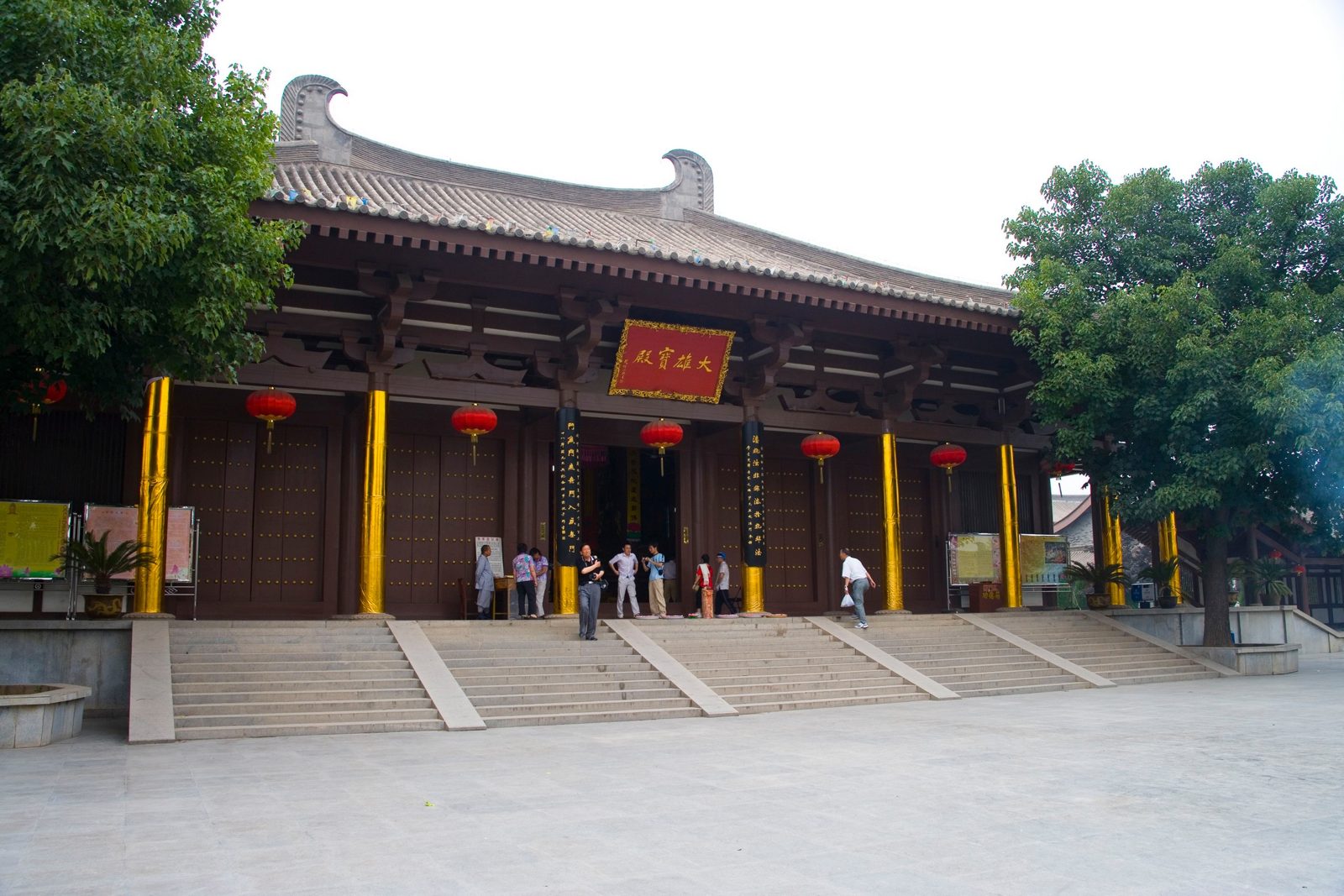
A temple founded in the Han and rebuilt many times, whose crypt was found intact in 1987 after the old pagoda fell. The relic and treasure are shown in the museum and in a large modern hall built beside the original temple.
The Qinling summit at 3,771 metres, with glacial cirque lakes near the top and forest for much of the way up. A cable car and a road get visitors to the treeline; the walk from there to Baxiantai takes a long day and the weather changes fast.
Yong was the Qin capital for 294 years before the state moved east, and the ritual ground and Qin ducal tombs are outside the modern town. The county seat itself is an ordinary working one, with the clay-figure and print workshops in the villages around it.
A temple complex in a hollow below the loess cliffs at Qishan, dedicated to the Duke of Zhou, whose ritual code later Confucians treated as the model. Oracle bones and Zhou foundations have come out of the fields around it.
Rolling upland pasture on the Gansu border at around 2,000 metres, grazed by horses and used for riding. It is the one open grassland in Shaanxi and it sits in the range the Qin state initial bred its horses in.
On the Map
Approximate locations of the attractions above, across Baoji.
Eat
Thin noodles under a hot sour broth of minced pork, vinegar, chilli oil and a scatter of egg and vegetables. The bowls are small because visitors are meant to eat several. Qishan county treats the recipe as its own and the villages argue about it.
Wheat dough washed to separate the starch, steamed into thick chewy sheets and cut into strips, served cold in chilli oil and vinegar with the gluten on top. Chewier and more sour than the Xi'an version.
Soft beancurd in a seasoned broth with torn flatbread, chilli oil and coriander, eaten for breakfast. Baoji's own version of paomo and much lighter than the mutton one, which is why it is a morning dish here.
A sorghum spirit distilled at Liulin and aged in woven-basket vessels sealed with clay, a method that gives it its own category among Chinese baijiu. It has been made in the same town since at least the Tang.
Do
The vessel is not large and the inscription is inside the base, reproduced on the case. The phrase records a king announcing that he will dwell in the central region. The museum gives it a room to itself.
Workshops in the villages around Fengxiang mould, whitewash and hand-paint the figures, and many will let visitors paint one. The patterns are fixed by tradition rather than invented, and the painter can tell visitors what each mark is.
The Tangyu route to Baxiantai is the managed way up, with huts, marked trail and staff. Register at the gate. Snow lies near the summit into June and the temperature at the top can be twenty degrees below the valley.
The traverse along the ridge between Mount Ao and Taibai has cost several walkers their lives and is prohibited by the Shaanxi authorities, with fines for entering. English-language trip reports of it circulate anyway. The exposure is total and the weather turns within the hour.
When
Warm in the valleys with snow still on Taibai and rhododendron out near the treeline. The clearest window for the mountain.
Wet and warm, the Qinling's rainy season, with cloud on the ridge many days. The grassland at Guanshan is at its peak and the museums are unaffected.
Dry, clear and cool, with the harvest on the Zhouyuan plain. The other good window for Taibai, and the light is better for it.
Cold, with the upper mountain closed or snowbound. Famen Temple, the bronze museum and the Fengxiang workshops all run year round and are empty.
Explore More
Baoji is in Shaanxi, in Northwest China.
Themes with places in Baoji
Related
Share the travel dates and interests, and PreeChina's local team will design a route that fits.
Plan My Trip to BaojiSee Private Tour Prices