 Illustration
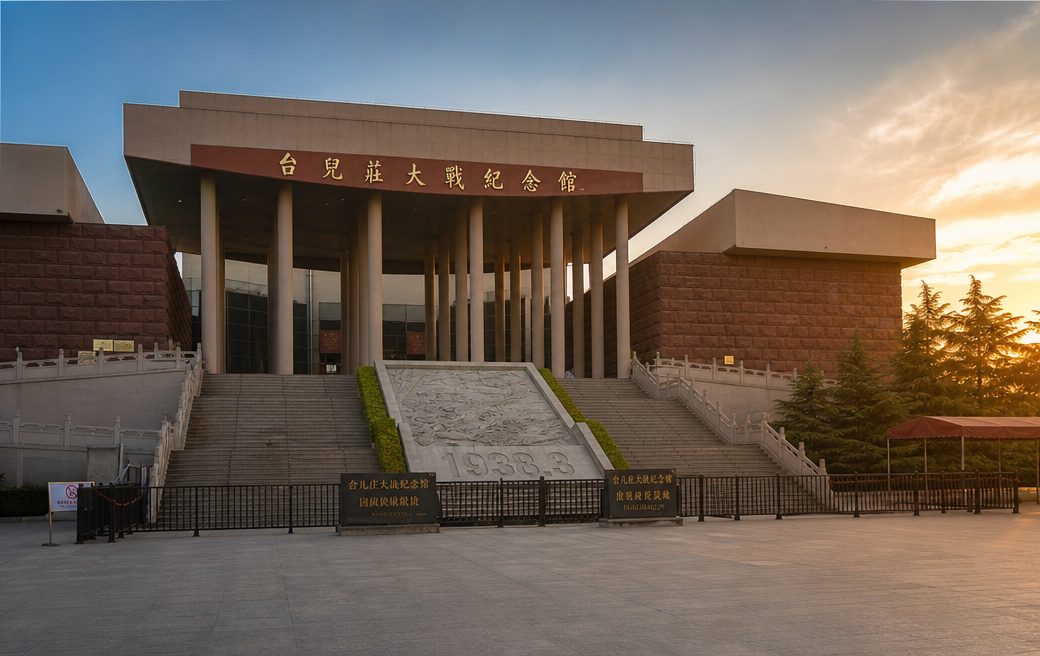
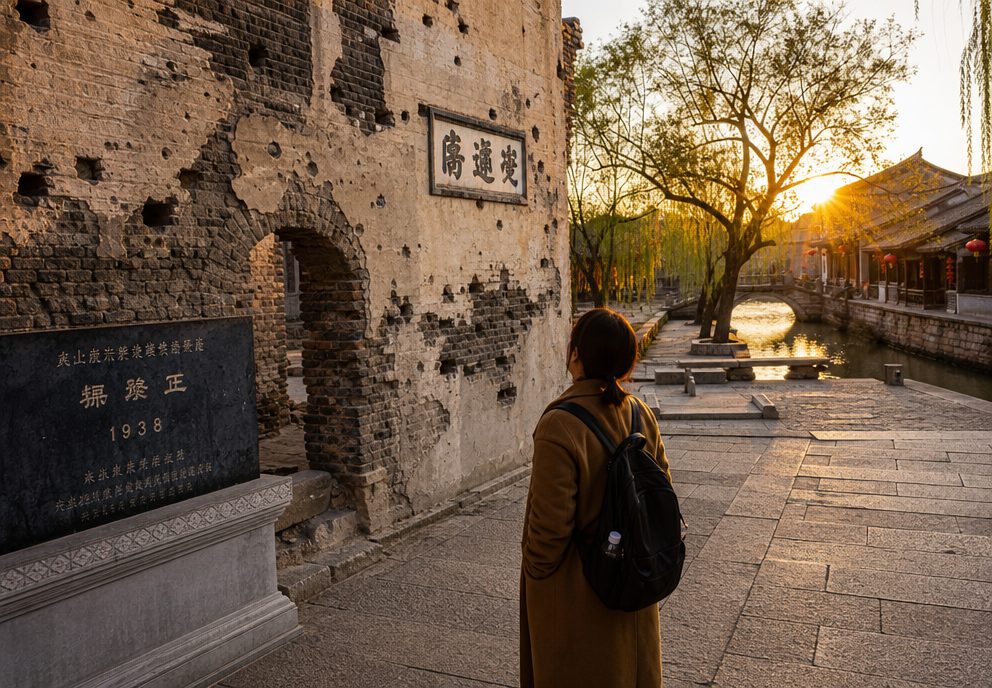
Zaozhuang is southern Shandong's most surprising travel destination, a city whose modest contemporary profile conceals a heritage of remarkable diversity and historical weight. At its centre is Tai'erzhuang, a name that carries profound significance in both Chinese and world history: on the banks of the Grand Canal in this small town, between March and April 1938, Chinese forces under generals Li Zongren and Bai Chongxi inflicted the first significant defeat on Japanese ground forces since the invasion of China began, halting a column that had appeared unstoppable and demonstrating to the world that Chinese resistance was real and capable of victory. The Battle of Tai'erzhuang was the first major Allied victory over the Axis powers of the Second World War, a fact that gives the memorial site extraordinary global historical significance.
The ancient town of Tai'erzhuang itself, rebuilt and restored on the original Grand Canal site, is the most complete surviving example of a Ming and Qing Dynasty canal merchant town anywhere in northern China. Its network of waterways, stone arch bridges, traditional timber merchant houses, guild halls and the living canal that still flows through the town centre create a heritage townscape of exceptional atmospheric richness, particularly at night when lanterns illuminate the bridge reflections and traditional performances animate the canal banks.