
Linxia is in Gansu, in Northwest China.
Home › Destinations › Gansu › Linxia
Gansu · City Guide
Linxia, Where Minarets Rise Above the Yellow River.
Overview
Why Go
Bingling Temple is cut into red sandstone pillars above the Yellow River and is reached across the Liujiaxia reservoir by boat. It holds an early dated cave inscription in China, from 420, and a 27-metre Tang Buddha.
Hezhou brick carving is cut into fired grey brick rather than stone, and it faces courtyard walls, gateways and mosque screens across the prefecture. It is on the national intangible heritage list and the workshops still take apprentices.
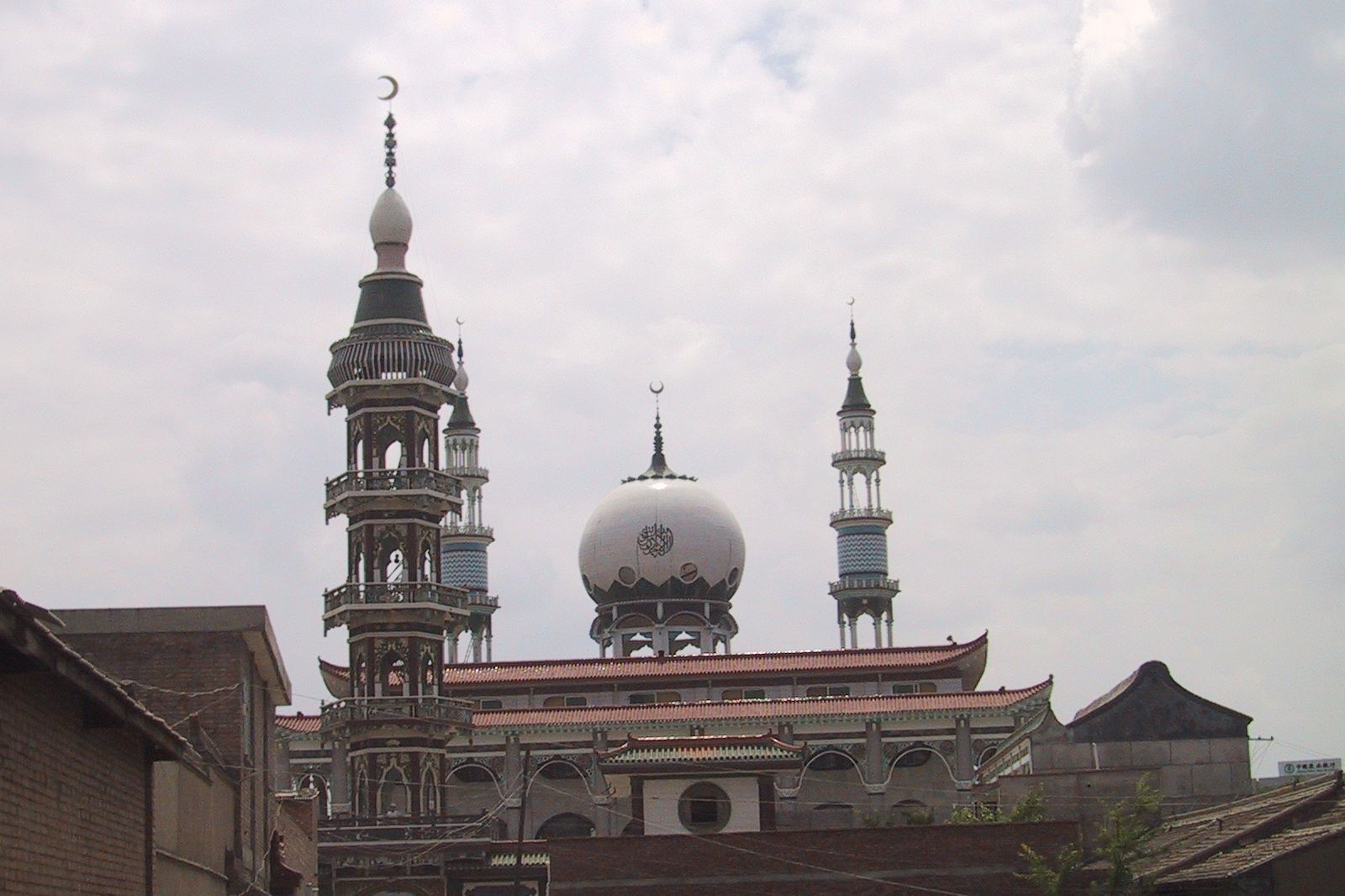
Bafang Shisanxiang is the old Hui quarter of Linxia city, still lived in rather than cleared, with eight mosques among the courtyards. The alleys carry brick-carved walls and the morning and night markets run in them.
Hua'er is sung in the open at mountain gatherings by Hui, Dongxiang, Bonan, Salar, Tibetan and Han singers using shared tunes. UNESCO listed it in 2009. The Songmingyan gathering in the sixth lunar month is the big one here.
The Dongxiang, Bonan and Salar each have their own autonomous county ground in or beside this prefecture. The Bonan number around twenty thousand in total and live almost entirely in Jishishan, which makes this the sole place to meet them at home.
See
Around 180 niches and caves in a canyon of eroded red pillars, carved from the Western Qin onward. The boat from the Liujiaxia dam takes much of an hour each way and is the solely practical access. Inscribed by UNESCO in 2014.
Thirteen lanes of courtyard housing around eight mosques in the south of Linxia city. The brick carving on the walls is the reason to walk it slowly. Prayer times are posted; ask before entering a mosque courtyard and dress accordingly.
One of the larger collections of late Cenozoic mammal fossils in Eurasia, dug from the red beds around Hezheng: hornless rhinoceros, three-toed horse, giant hyena and shovel-tusked elephant. It is an hour from the city and almost empty.
A tilted bedding plane covered in Cretaceous trackways, including sauropod prints among the larger recorded anywhere. It sits on the reservoir shore and is usually combined with the boat to Bingling Temple.
A large mosque in the city and the centre of the quarter, rebuilt in the 1980s at a scale that makes the skyline. Non-Muslim visitors are generally welcome in the courtyard outside prayer times; the hall itself is at the caretaker's discretion.
Pine-covered rock peaks with small temples on the ledges, an hour southwest of the city in Hezheng. The Hua'er gathering is held here in the sixth lunar month and the paths are busy with singers rather than hikers.
On the Map
Approximate locations of the attractions above, across Linxia.
Eat
Lamb boiled on the bone in salted water and eaten with the hands, with garlic and a bowl of the broth. Dongxiang county's sheep are the ones Lanzhou restaurants buy, and the cooking is deliberately plain so the meat carries it.
Tea in a lidded bowl with rock sugar, jujube, longan, raisins and sometimes chrysanthemum, topped up through a long sitting. It is how a household receives visitors here and how business gets done in the quarter.
Steamed buns of minced mutton and a lot of onion, thin-skinned and juicy, sold from early morning. Hezhou is the old name for Linxia and the buns are what the morning market is built around.
Whole wheat or highland barley fermented with a yeast starter into a sweet, faintly alcoholic porridge, eaten cold in summer. Households make it in earthenware jars and it is sold by the bowl in the markets.
Do
Boats leave from the dam and from Taiping, either a fast one or a slower ferry, and the crossing is much of the experience. Fix the return time before visitors go: the last boats leave in the late afternoon and there is nothing at the site.
The panels in the Bafang alleys run from Qing work to pieces cut in the last few years, and the older ones are on gateways and screen walls rather than facades. A workshop in the quarter shows the cutting, which is done on the fired brick rather than before firing.
The point is the sitting, not the tea: the bowl is refilled several times and the flavour changes each round. Teahouses in the quarter will bring the kettle to visitors. Lift the lid with one hand and skim rather than stir.
The Songmingyan gathering falls in the sixth lunar month, usually July, and runs for several days on the hillside. Singers work in facing groups and improvise against each other. The lyrics are often courtship, which is why it is sung outside the village.
When
Green, mild and clear, with the reservoir at a good level for the boat. The ideal general window.
Warm with afternoon rain, and the Hua'er season. Lanzhou empties into these hills to escape the heat, so book ahead at weekends.
Harvest, clear air and cold nights. The other good window, and the quietest time at Bingling.
Cold, with the reservoir low and boat services reduced or stopped. The quarter, the teahouses and the fossil museum all run as normal.
Explore More
Linxia is in Gansu, in Northwest China.
Themes with places in Linxia
Related
Share the travel dates and interests, and PreeChina's local team will design a route that fits.
Plan My Trip to LinxiaSee Private Tour Prices