
Liaoyang is in Liaoning, in Northeast China.
Home › Destinations › Liaoning › Liaoyang
Liaoning · City Guide
Liaoyang, Continuously Lived In for 2,300 Years.
Overview
Why Go
A walled town was founded here around 300 BC and people have lived on the site without a break since. Every other northeastern city was either founded later or abandoned and restarted at some point.
The White Pagoda is octagonal, thirteen storeys and 71 metres high, built in the twelfth century and a leading surviving ancient pagoda in Liaoning. It stands in an ordinary city park with residents exercising around the base.
Liaoyang has a cluster of Han and Wei stone tombs with painted chambers showing banquets, carriages and kitchen scenes. They are among the better preserved painted tombs of that period anywhere in China.
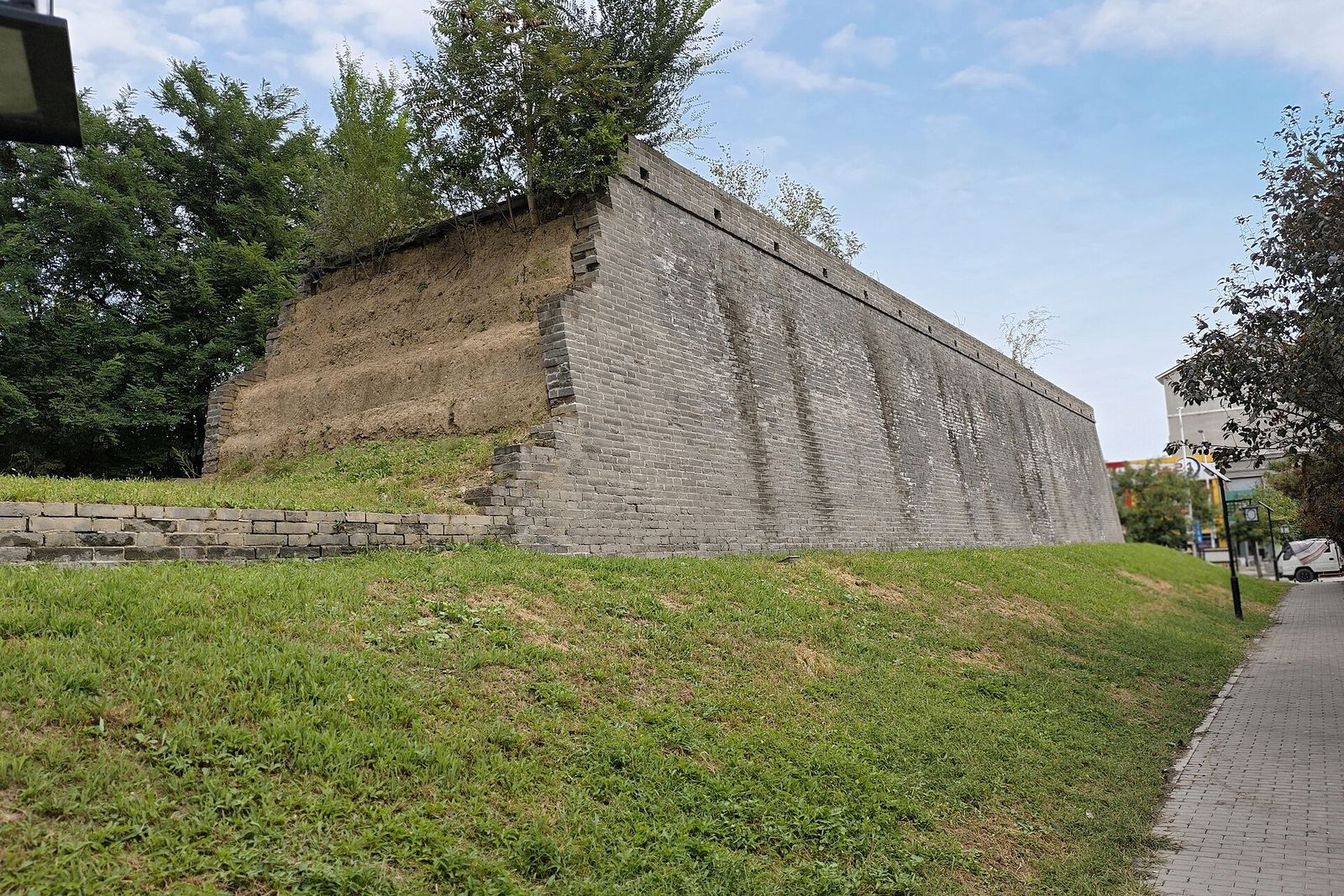
Nurhaci moved his court here in 1621 and built a new walled capital east of the river, then left for Shenyang four years later. The earth walls and the family tombs from those four years are still there.
Tong'erbao is the country's large fur production and trading base, with over a thousand firms in one township. It is a wholesale market rather than a sight, and buyers come from across northern China.
See
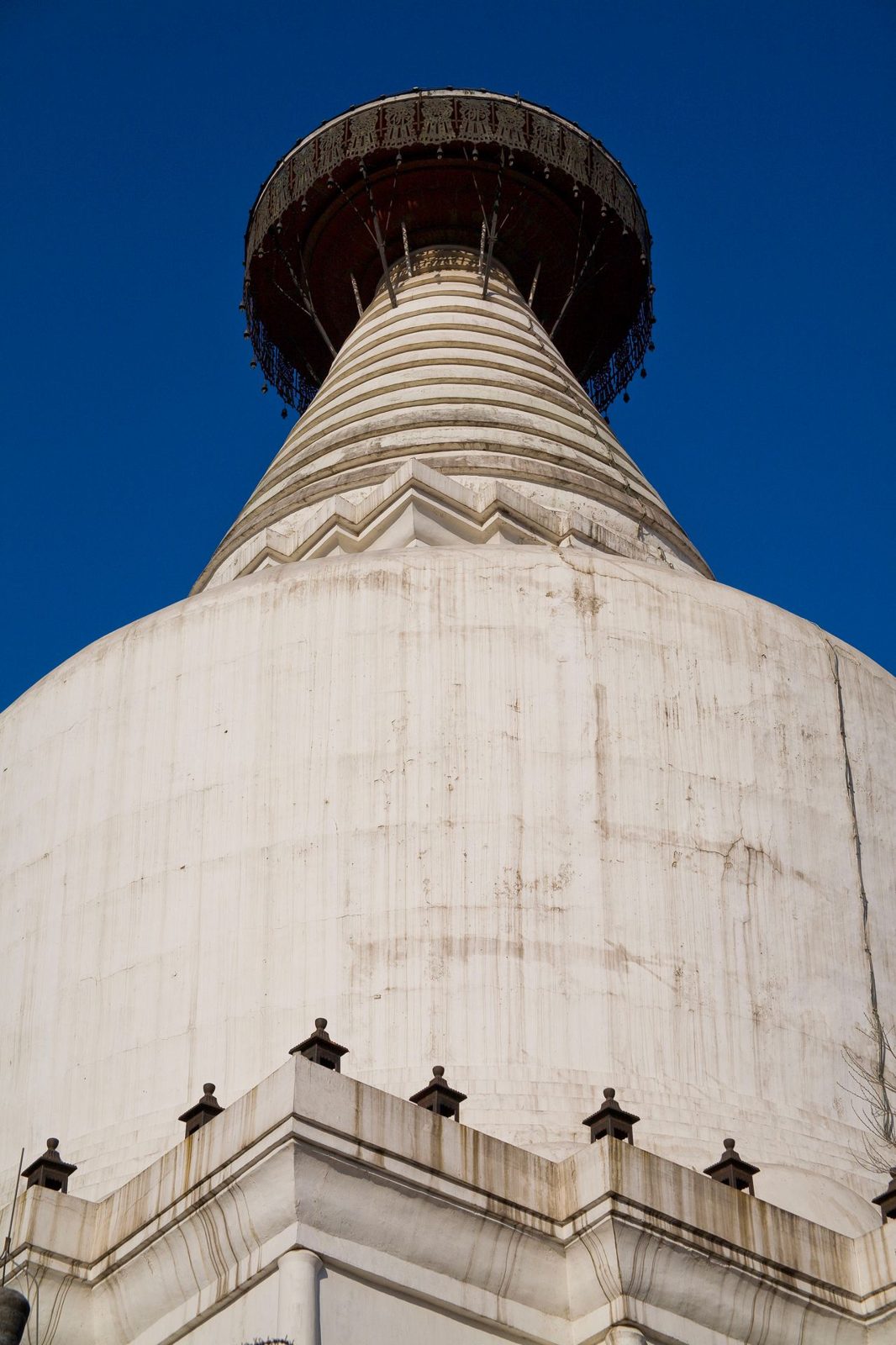
The twelfth-century pagoda stands beside Guangyou Temple, which was rebuilt from nothing in 2002, so the hall and the large indoor Buddha are new and the tower is not. An hour for both.
Much of the painted tombs are sealed for conservation, so the museum's reproductions and finds are what visitors actually see, with one or two chambers opened occasionally. Check before making a special trip.
The earth ramparts of Nurhaci's 1621 capital sit in farmland east of the river, with the tombs of his brothers and sons nearby under stone tablets. Little signage, few visitors, about an hour.
Halls of fur and leather wholesalers in a township north of the city, trading in bulk. Prices are quoted for volume and haggling is expected. Go as an observer or go knowing what visitors want.
Springs used since at least the Tang, now a resort district with pools, hotels and a small ski hill working the same slope in winter. It is the local weekend, 40 minutes from the city.
A wooded valley with streams and stepped paths in the hills east of the city, at its peak in October when the oak turns. Quiet on weekdays. Half a day including the drive.
On the Map
Approximate locations of the attractions above, across Liaoyang.
Eat
Open-topped steamed dumplings with a pork and spring onion filling and a thicker wrapper than the southern kind, eaten for breakfast with vinegar. The old-quarter shops steam them in batches from six.
The local pear variety is left to freeze solid until it turns black, then thawed in cold water and eaten with the juice sucked out. It looks spoiled and is not. Winter alone, and it is a northeastern ritual.
A malt sugar sweet pulled and shaped into small towers, named after the pagoda and sold in the old streets around it. Brittle, faintly toasted and sweeter than many Chinese confectionery.
Corn soaked until it ferments, ground and squeezed into thick noodles, served in broth. It is a Manchu dish eaten across eastern Liaoning and tastes distinctly sour. Buy it cooked, never make it from old batter.
Do
The park around the tower fills in the evening with dancing, chess and people walking laps. It is the clearest view of what an old monument does in an ordinary Chinese city when nobody is charging for it.
The painted scenes are domestic rather than ceremonial: kitchens, granaries, carts. Read them as a picture of ordinary life in the northeast two thousand years ago, which is rare material.
Visitors drop the frozen pear in cold water, wait for an ice shell to form on the outside, then peel it off and eat what is inside. The process is the whole point and it just works between December and February.
Outdoor pools in a Liaoning winter mean walking through minus twenty to get in, which is the reason people do it. Go at the end of the day when the ski hill has cleared.
When
Mild, dry and green, the ideal weather for the pagoda park and the hill valleys. The strongest window of the year.
Hot, humid and thundery, and the city's chemical works make it the least pleasant season to be in the centre. Head for the hills.
Cool, clear and the autumn colour at Hehuogou in October. The other good window, and the quietest.
Deep cold, often below minus twenty. This is frozen-pear season, hot-spring season and the sole time the ski hill runs.
Explore More
Liaoyang is in Liaoning, in Northeast China.
Themes with places in Liaoyang
Related
Share the travel dates and interests, and PreeChina's local team will design a route that fits.
Plan My Trip to LiaoyangSee Private Tour Prices