
Bayingolin is in Xinjiang, in Northwest China.
Home › Destinations › Xinjiang › Bayingolin
Xinjiang · City Guide
Bayingolin, Where One Prefecture Is Larger Than Sweden.
Overview
Why Go
At Bayanbulak the Kaidu spreads across flat grassland in a series of loops, and at sunset the bends each hold a reflection of the sun. The wetland beside it is China's main breeding ground for whooper swans.
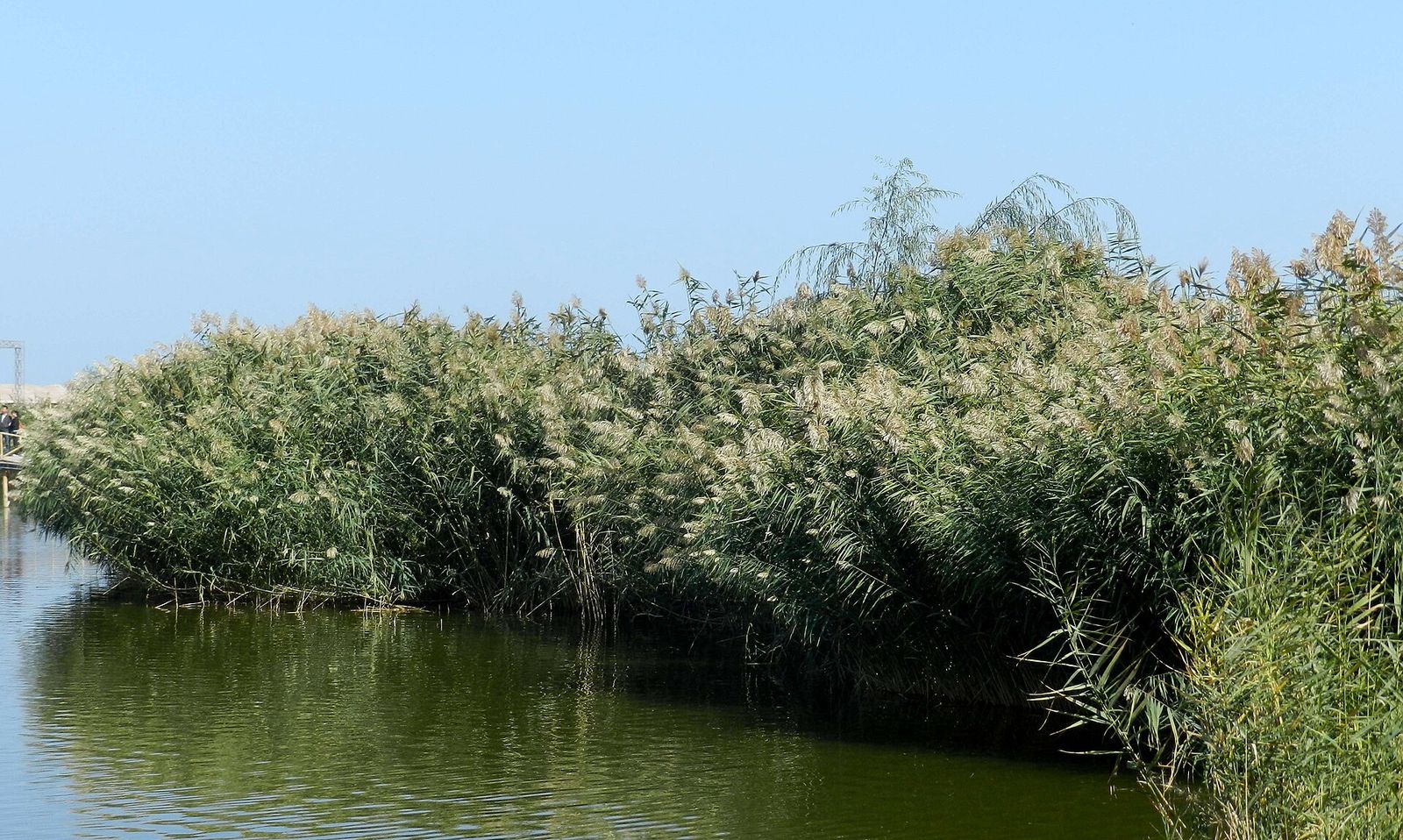
Bosten Lake covers about 1,646 square kilometres, rimmed with reed beds and water lilies. It is fed by the Kaidu and drains towards the Tarim, and its fish, reeds and grilled carp are the local economy on that side of the prefecture.
The Luntai to Minfeng highway runs 522 kilometres straight across the Taklamakan, held open by reed grids and a line of planted shelterbelt with its own irrigation wells. It was the opening road ever built across the desert.
Loulan controlled the road east from the Tarim until its water failed and it was abandoned around the fourth century. Its site is inside a closed zone; the museum at Ruoqiang holds what has come out of it, including textiles and coffins.
Lop Nur is a restricted zone and crossing it is prohibited. The scientist Peng Jiamu disappeared there in 1980 and the walker Yu Chunshun passed away there in 1996. English-language trip reports of crossings circulate; the prohibition is real and enforced.
See
High grassland at around 2,500 metres ringed by mountains, with the Kaidu looping across it and a swan sanctuary on the wetland. Inscribed with the Xinjiang Tianshan site in 2013. The sunset viewpoint is the reason people stay the night.
A large shallow lake with reed beds on the north shore and sand on the south, where the desert reaches the water. Grilled fish at the shore restaurants is what people come for. Boats run out among the reeds in summer.
522 kilometres from Luntai south to Minfeng, with dunes on both sides and a green strip of planted tamarisk kept alive by wells every few kilometres. There are service stations but almost nothing else; fuel before visitors start.
At Ruoqiang, holding textiles, wooden documents and burial material from Loulan and Miran that the dry sand preserved. The sites themselves are inside restricted areas, so this is where the material actually is.
A Buddhist site and later Tibetan fort near Ruoqiang, whose third-century murals included winged figures painted in a style carrying Roman and Gandharan influence. Those panels were removed a century ago; the structures remain.
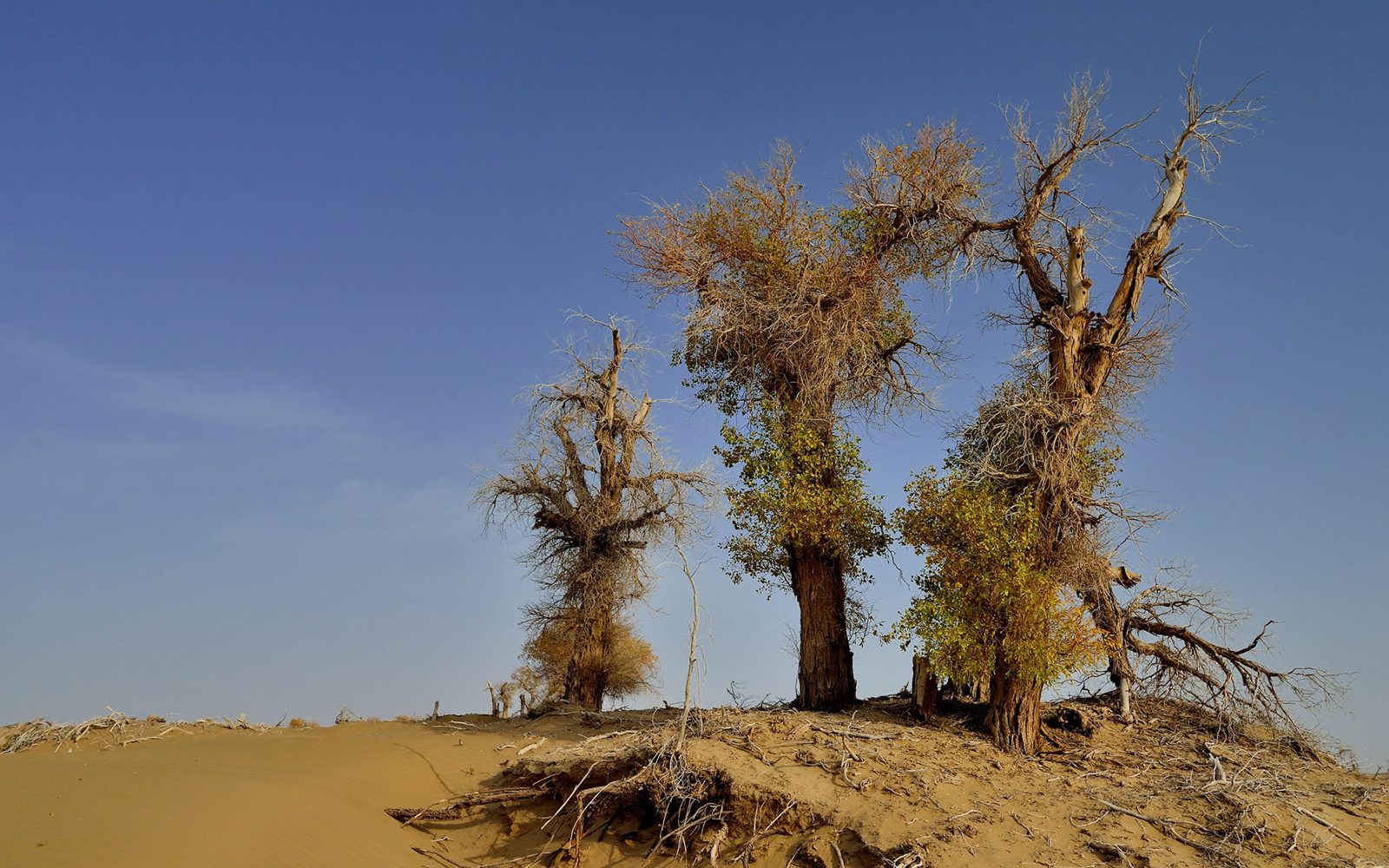
Populus euphratica along the Tarim, a large stand of the species anywhere, turning gold for a fortnight in October. The protected area at Luntai has boardwalk and a small train; the road sections further out are free and empty.
On the Map
Approximate locations of the attractions above, across Bayingolin.
Eat
Small thin-skinned pears with a red blush, grown around Korla and holding a geographical indication. They are picked in September, keep for months and are sweeter and more perfumed than their size suggests.
Lake carp split, skewered on sticks and stood around an open fire at the shore, salted and nothing more. It is cooked outside the restaurant and eaten with naan. The reed-bed setting is half of it.
Horse smoked and cured in the Hui county on the Kaidu, sold in slabs and sausage and eaten cold or boiled with noodles. Yanqi's version is saltier than the Kazakh one further north.
The Yanqi basin has become one of Xinjiang's wine regions, on gravel soil with very large day-night temperature swings and almost no rain. Several wineries take visitors, and the reds are the ones to ask for.
Do
The viewpoint above the Kaidu is reached by shuttle and everyone goes for the same twenty minutes. Get there an hour early for a spot at the rail. It is cold at 2,500 metres even in July once the sun is down.
Eight to ten hours end to end with stops. Carry water and fuel up before visitors start. Stop at one of the wellhouse shelterbelt stations: a family lives at each one, keeping the planted strip irrigated, and that is the road's real story.
The turn runs about two weeks in the second half of October and moves with the weather. Go early in the day for light through the leaves. The ticketed protected area is convenient; the free roadside stands further along are empty.
If someone offers to take visitors in, the answer is no. The zone is closed, checkpoints are staffed, and the two well-known passings there were experienced people with support. The museum at Ruoqiang is where the interest can actually be satisfied.
When
Warming, with blossom in the oases and the desert highway comfortable. Sandstorms are especially likely in this window.
Grassland season at Bayanbulak, swans on the wetland and the long sunsets. Hot in the basin and cool on the plateau; visitors will need both kinds of clothing.
Pears picked in September, poplars gold in late October, and the clearest air of the year. The ideal window for the desert and the lake.
Very cold in the basin and bitter on the grassland, with Bayanbulak effectively closed. Korla stays open and the museums are empty.
Explore More
Bayingolin is in Xinjiang, in Northwest China.
Related
Share the travel dates and interests, and PreeChina's local team will design a route that fits.
Plan My Trip to BayingolinSee Private Tour Prices