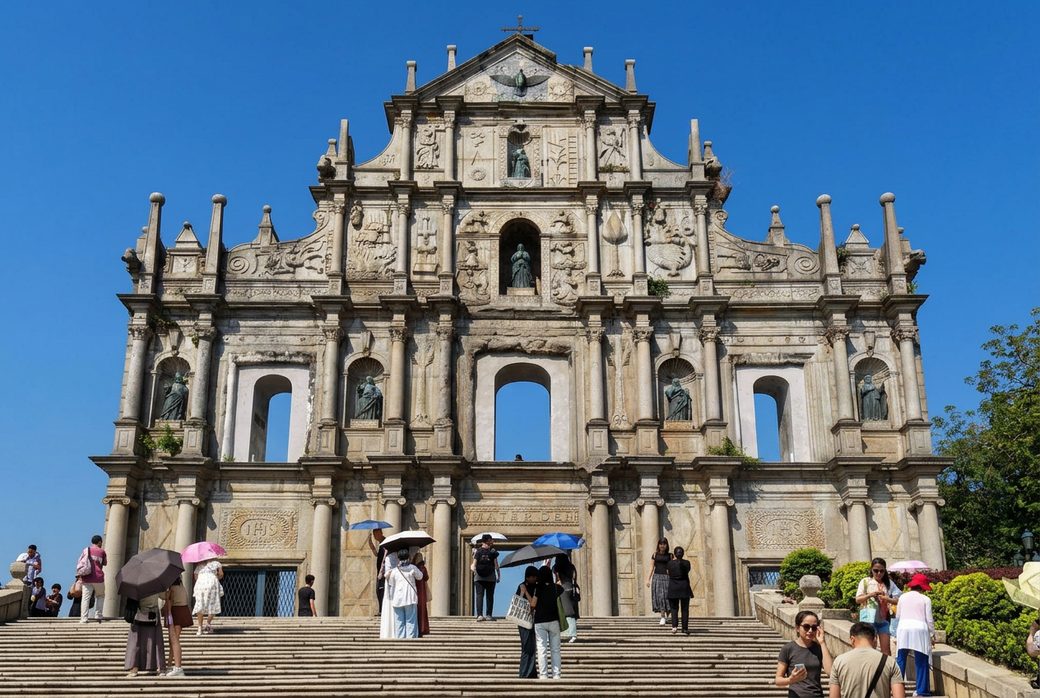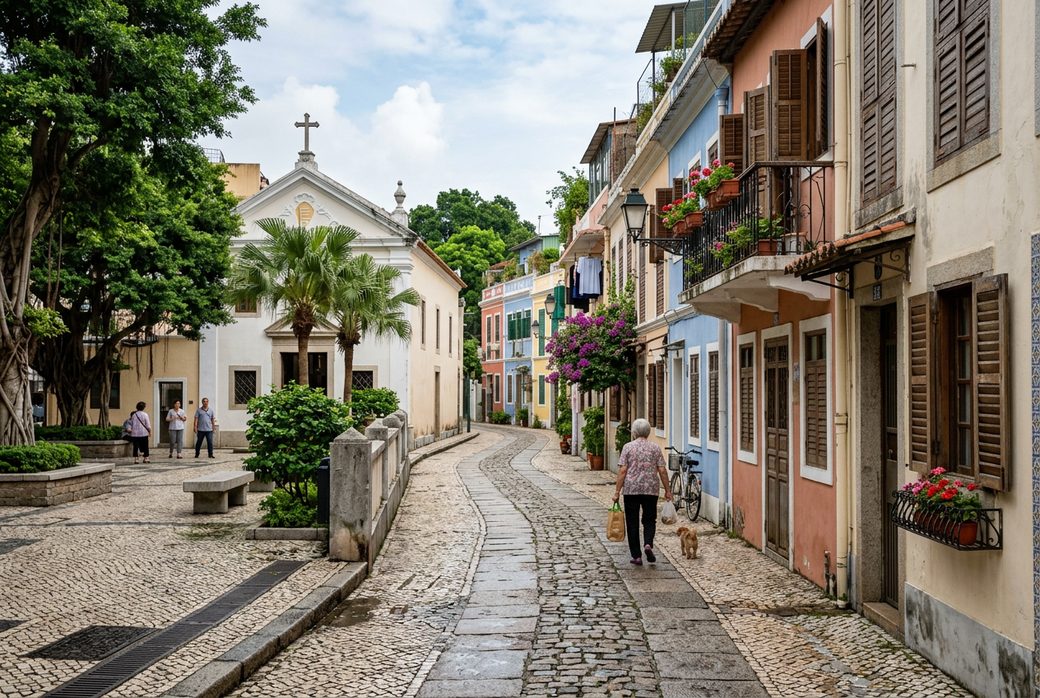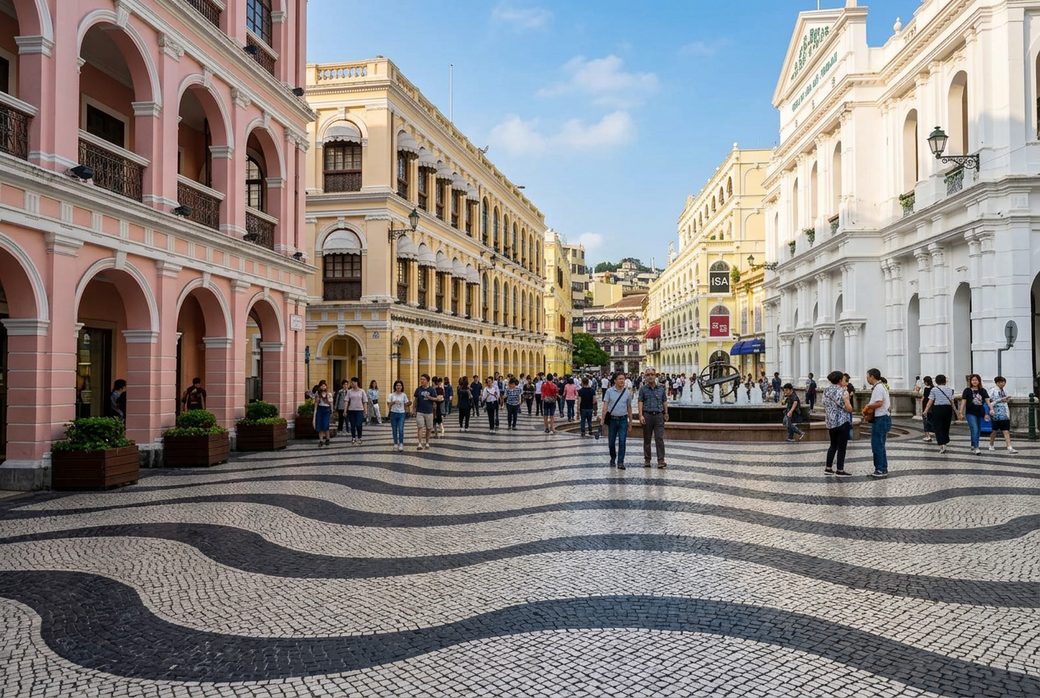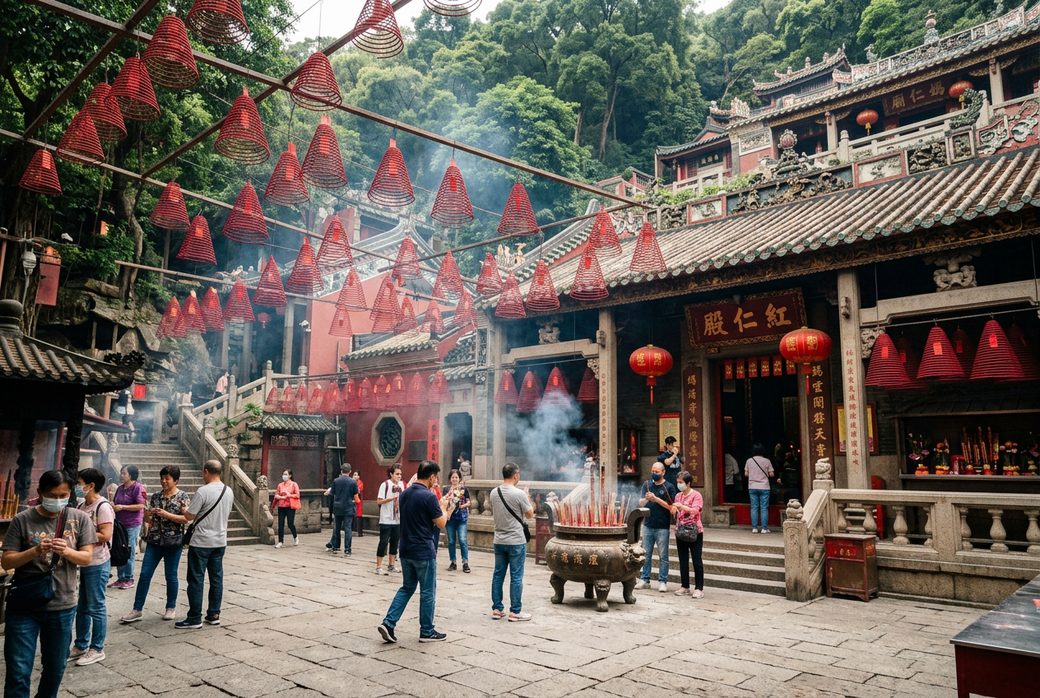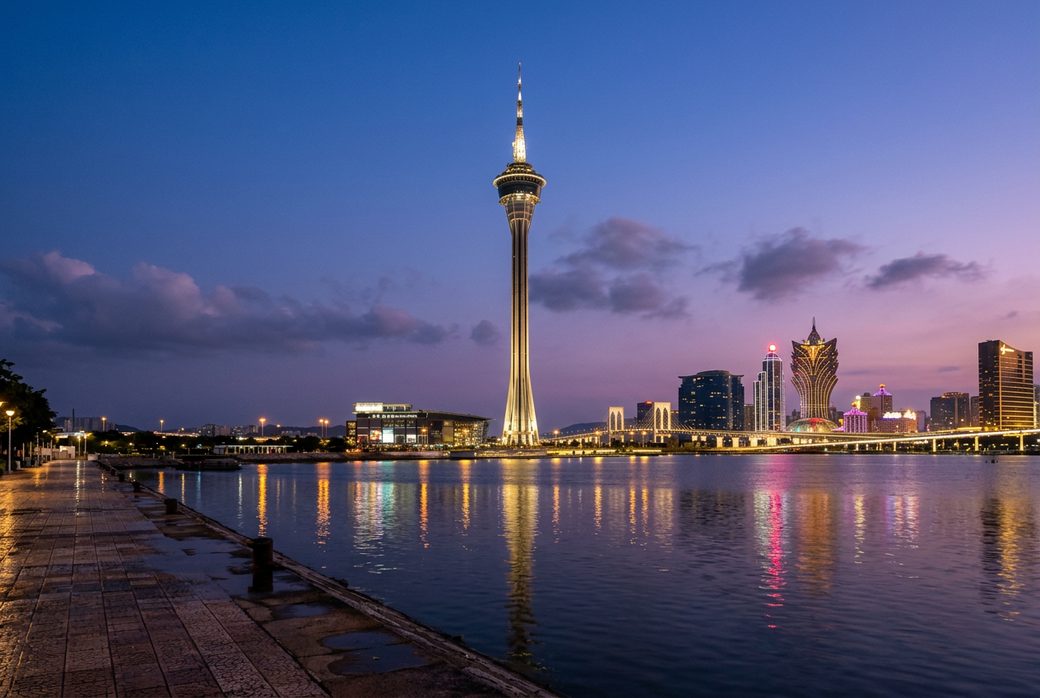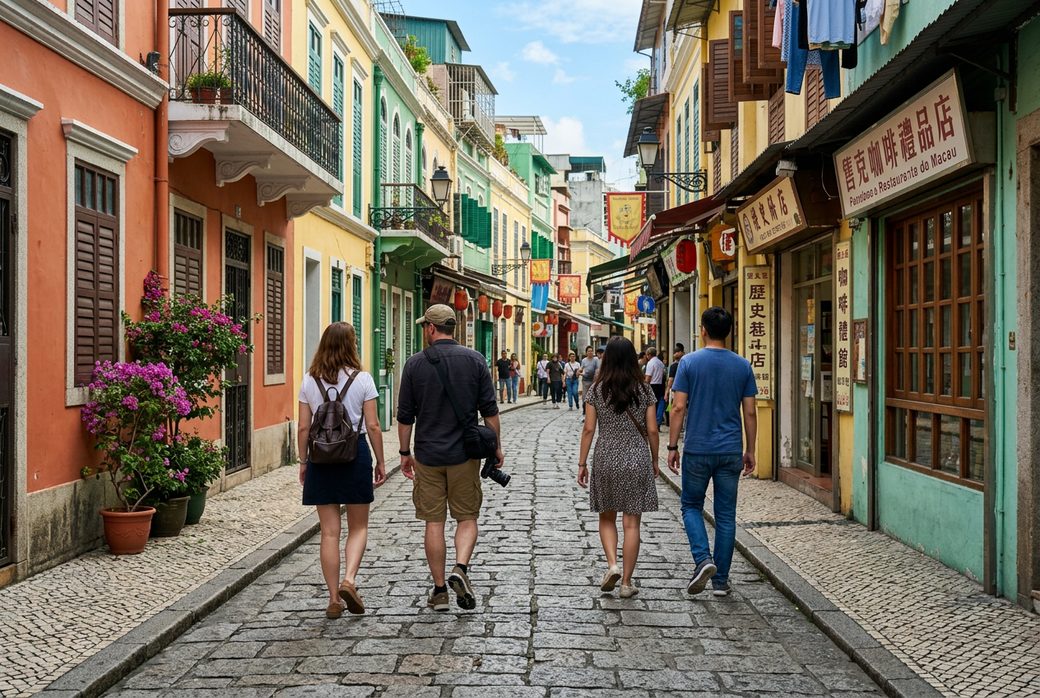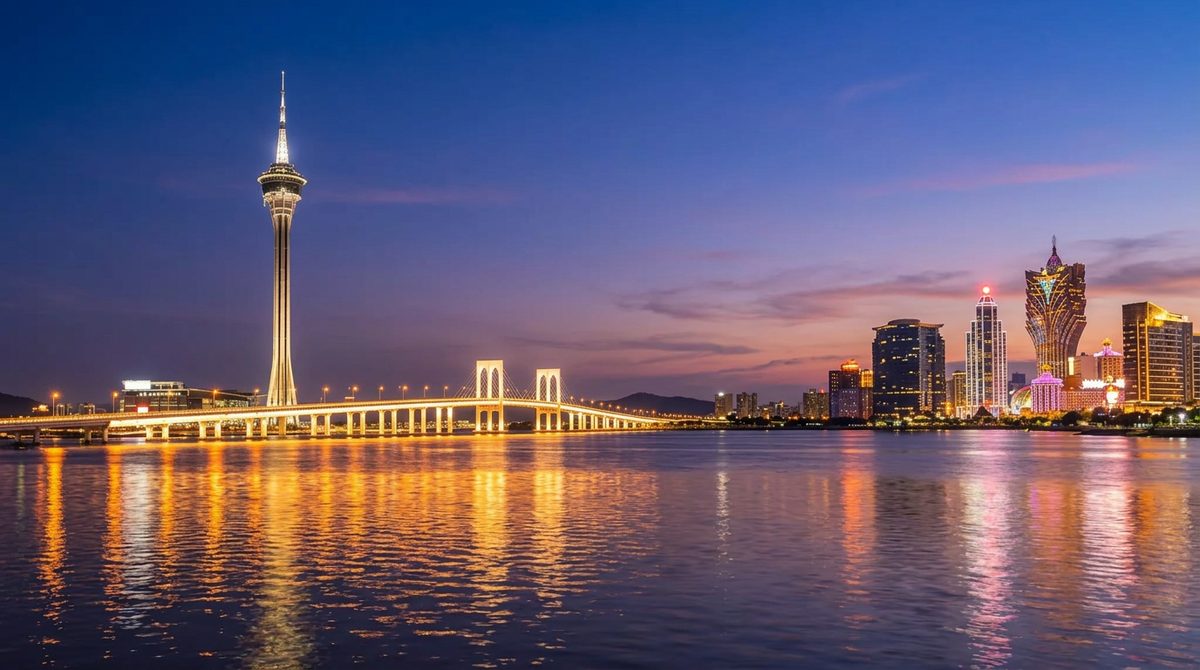
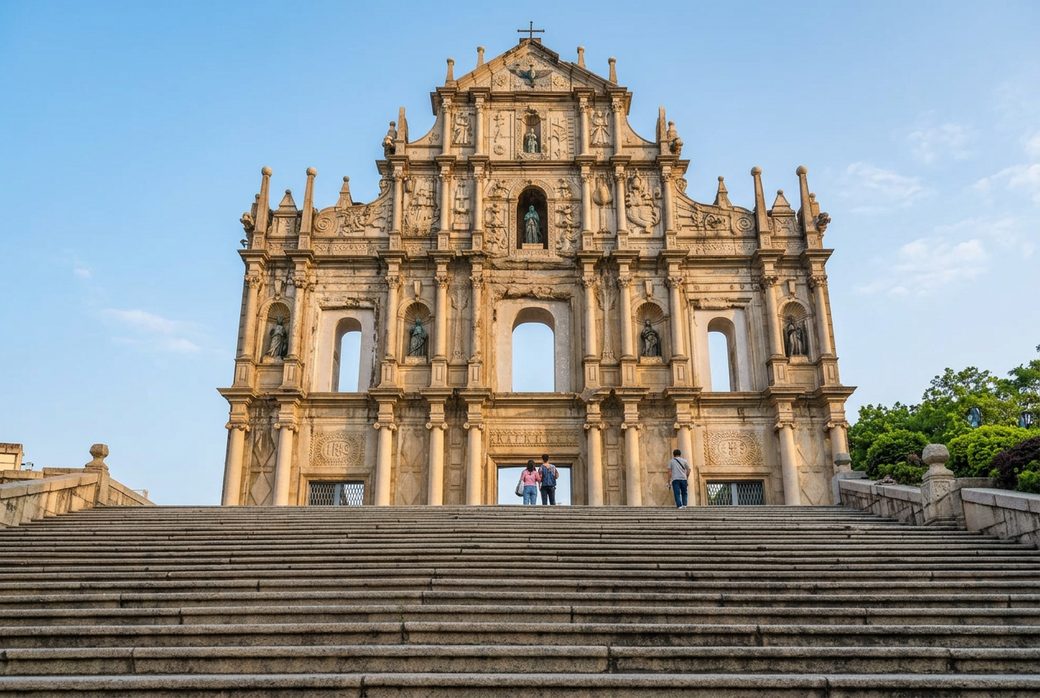
Macau is unique in the Chinese world, the only territory where Portuguese colonial culture took root for four and a half centuries, long enough to produce not just architecture but a distinct cuisine, a Creole language (Patuá), a mixed-heritage community (the Macanese), and a cultural identity that is neither wholly Chinese nor wholly European but something genuinely its own. The UNESCO Historic Centre of Macau, inscribed in 2005, preserves thirty buildings and public spaces that together constitute the most complete surviving ensemble of Sino-Portuguese architectural heritage anywhere in the world, Baroque churches and Chinese temples, colonial administrative buildings and traditional Chinese shophouses, all within walking distance of each other across the black-and-white mosaic pavements that are themselves a Portuguese legacy.
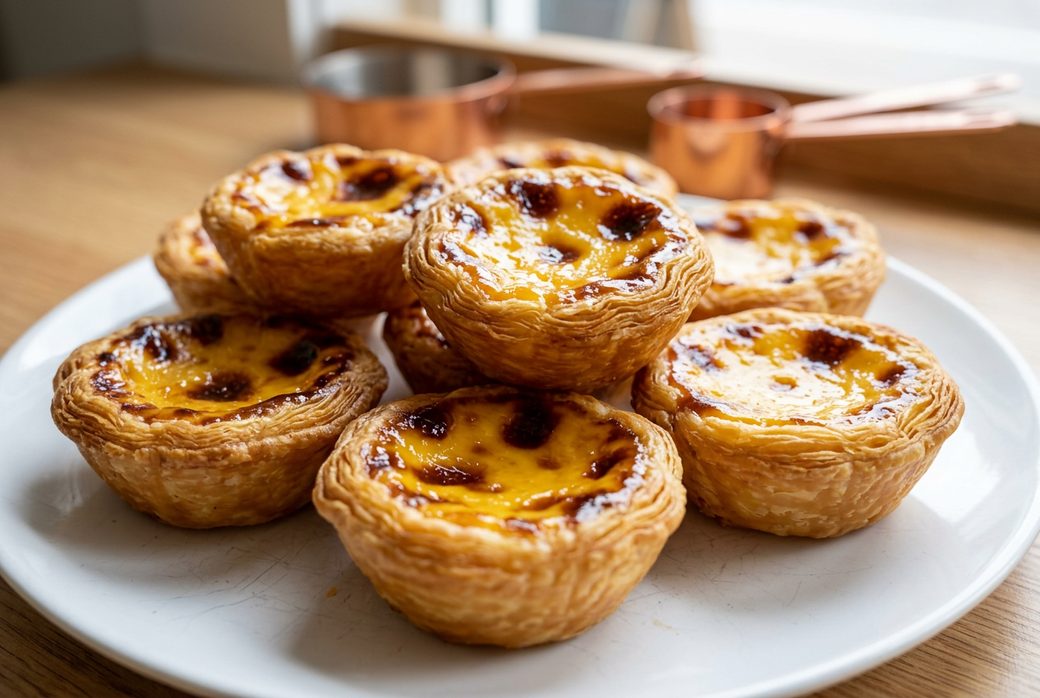
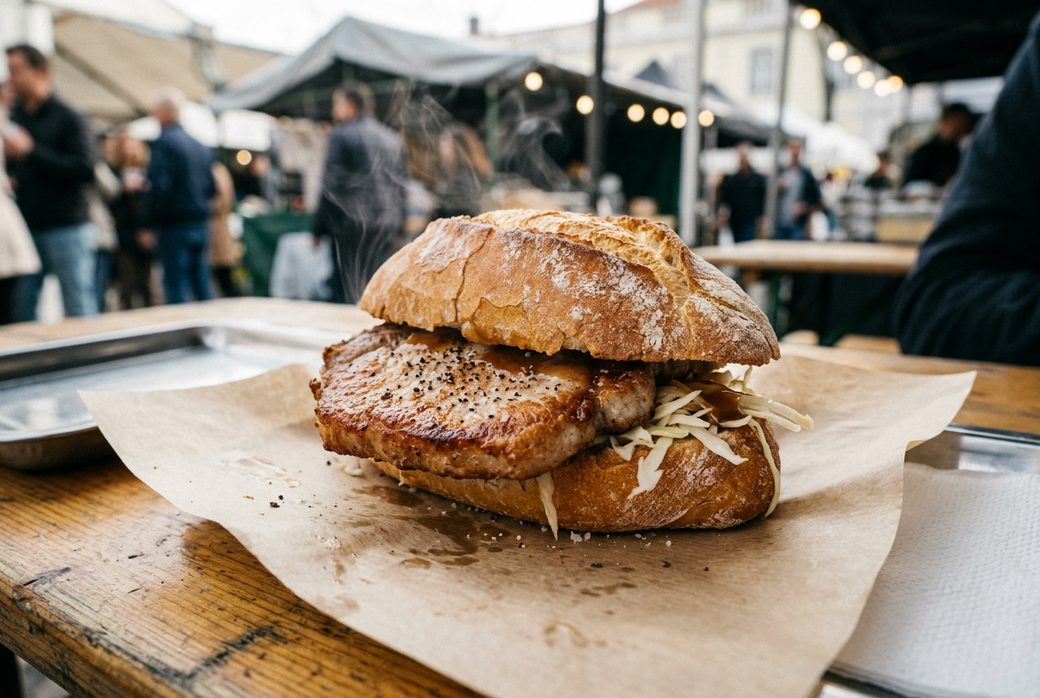
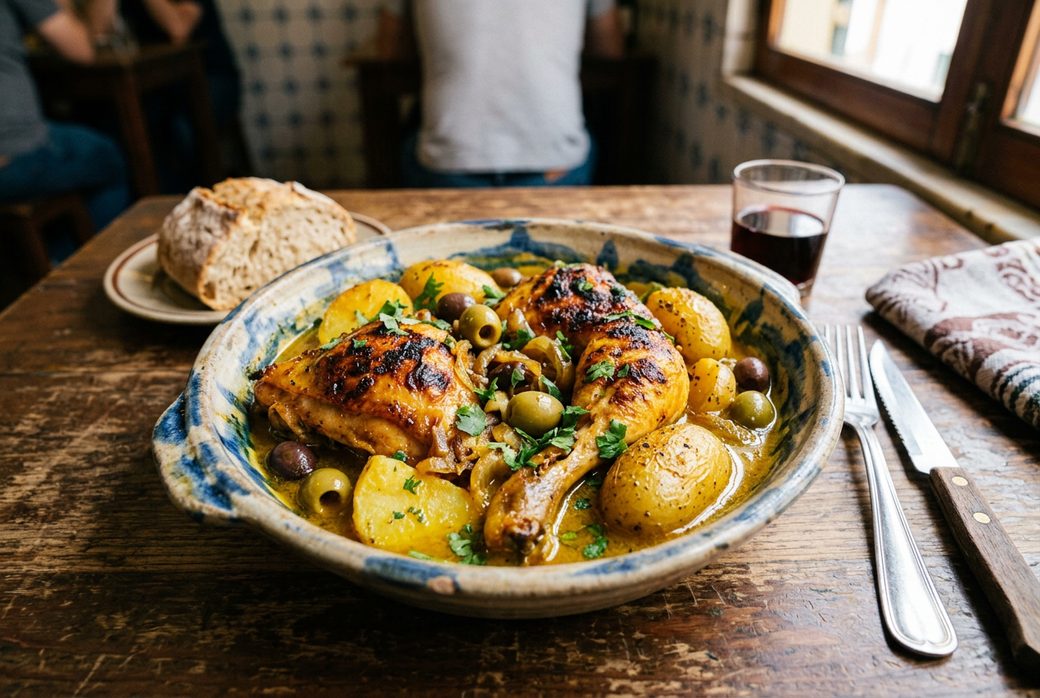
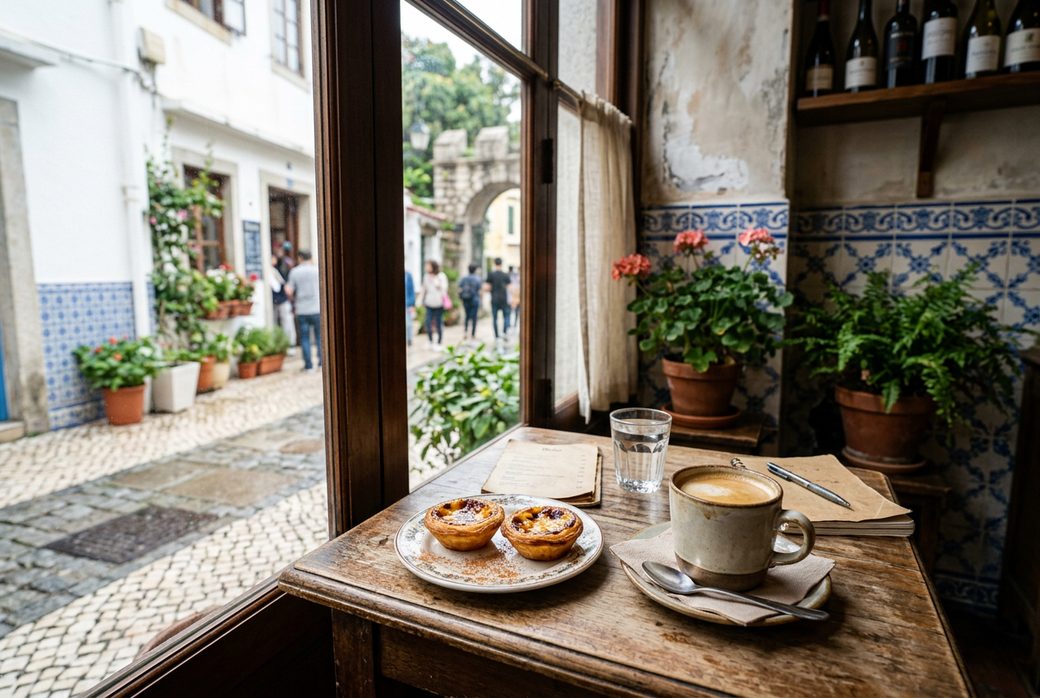
The city's food reflects this cultural layering with extraordinary directness. The Portuguese egg tart, pastel de nata, brought to Macau by a former Augustinian monk and adapted to local tastes until it became something subtly different from its Lisbon original, is the most celebrated single food item in Macau, and the two competing bakery traditions (Lord Stow's in Coloane and Margaret's in the city) have together produced a variant so superior to all imitations that serious food travelers visit Macau specifically to compare them. The broader Macanese cuisine, a fusion of Portuguese, Indian, Malay, African, and Cantonese cooking traditions that reflects the full global reach of the Portuguese maritime empire, is the rarest and most historically interesting culinary tradition in China.