Home › Destinations › Hunan › Changde

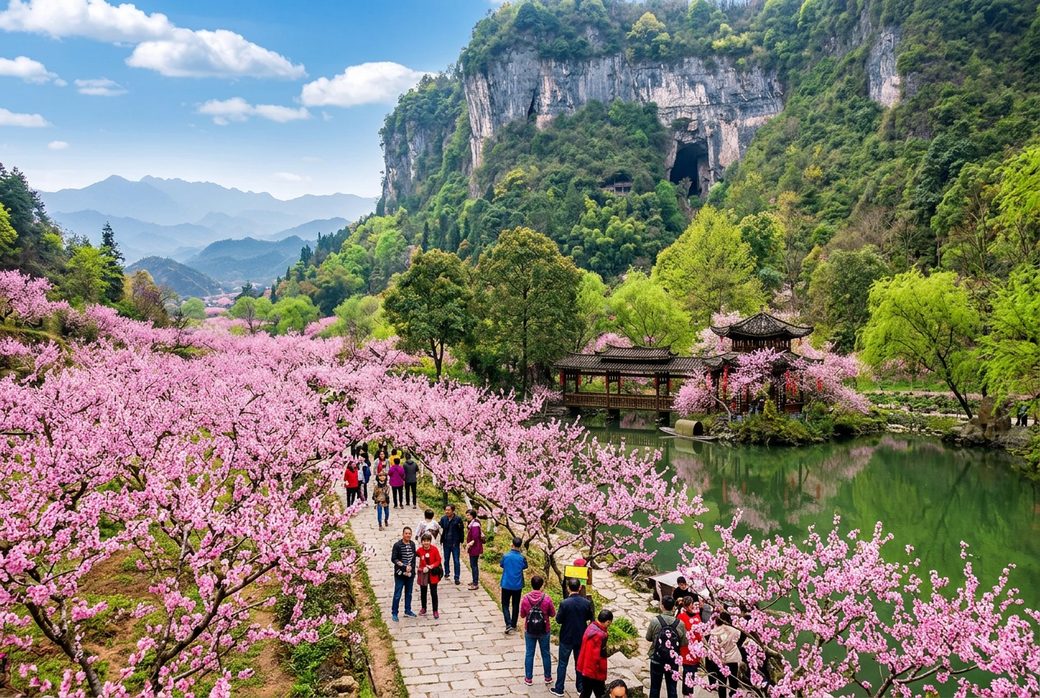
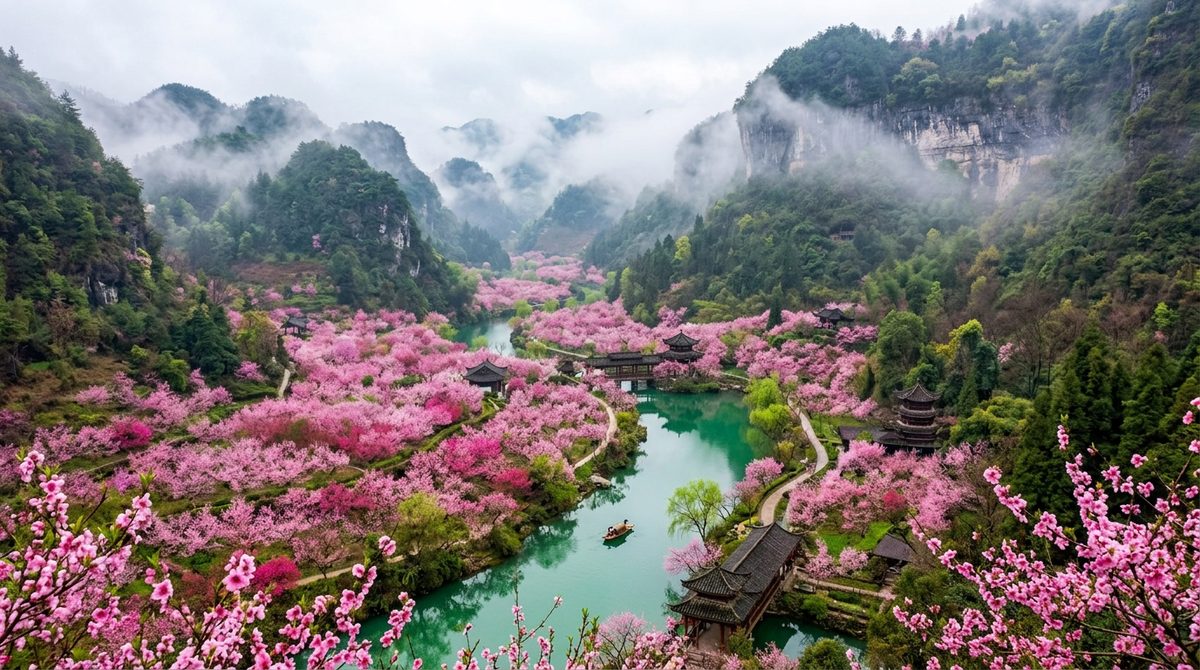
Changde Peach Blossom Spring gorge in spring pink peach blossom trees along a stream mist on green hills Hunan

PreeChina · City Guide

Changde

A Dongting Lake city in northern Hunan, linked by tradition to the Peach Blossom Spring and home to one of the oldest walled settlements in the Yangtze valley.

Changde Quick Facts

Province / Region
Northwest Hunan Province, western Dongting Lake plain
Population
About 5.3 million (prefecture)
Best Time to Visit
March-May and September-November
Famous For
Peach Blossom Spring, Chengtoushan site, West Dongting wetlands, Hunan rice noodles
Getting There
Changde Taohuayuan Airport; trains from Changsha and Zhangjiajie
Recommended Stay
1-2 days

Why Visit Changde?

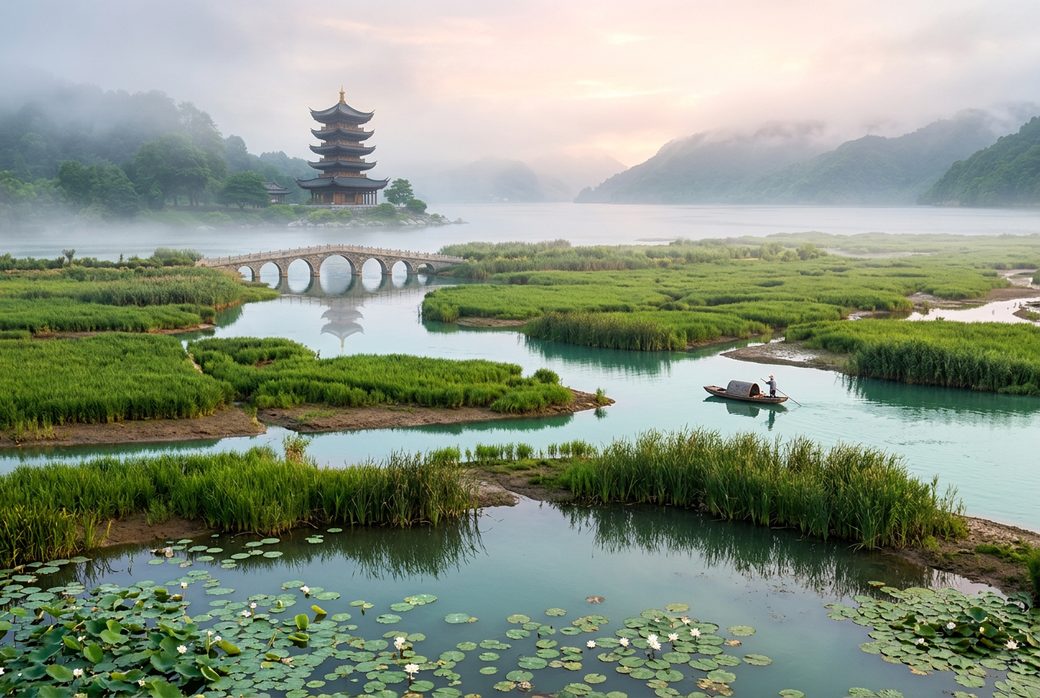
Changde Dongting Lake wetland at sunrise reeds and misty water with a fishing boat Hunan

Changde's name in Chinese literature comes from a single poem and essay. Tao Yuanming's fourth-century story of a fisherman who finds a village hidden behind blossoming peach trees became the picture of a lost utopia, and the Peach Blossom Spring in Taoyuan county is the place most closely tied to it.

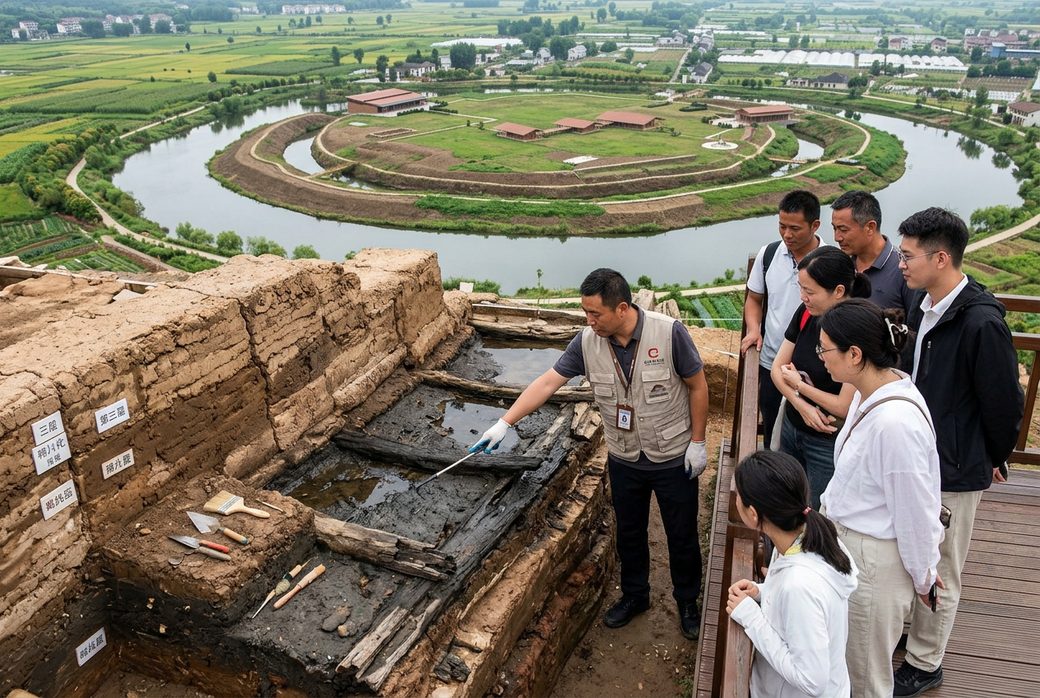
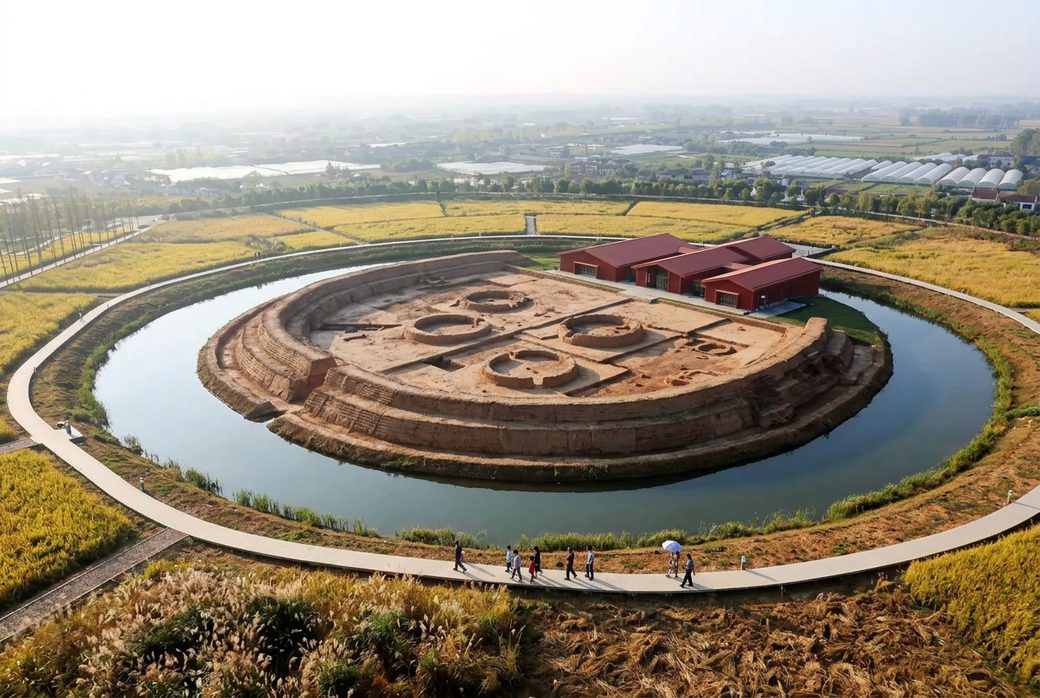
The region is also older than any of that. At Chengtoushan, in Li county, archaeologists found a walled settlement from the Neolithic period, with moats, house foundations and some of the earliest rice paddies known in China. The site is regarded as one of the oldest walled settlements in the Yangtze valley.
What the Guides Miss

1

A Rice Paddy Older Than the Legend

Changde's fame rests on an Eastern Jin essay about an imagined valley, yet Chengtoushan in Li County holds real fields. About 6,500 years ago villagers dug a ring ditch around some 50,000 square metres and farmed paddies with field ridges and water channels. Around 6,200 years ago Daxi people added a wall, the earliest city wall found in the middle Yangtze, probably as flood defence.

2

Sixteen Days in November 1943

The defence of Changde ran from 18 November to 3 December 1943. About 8,000 defenders of the 57th Division faced close to 90,000 Japanese troops. Japanese commander Hata Shunroku's diary puts Japanese losses at 10,000; one Republic-era compilation says nearly 40,000. National Humanities History judges the lower figure more credible. Yu Chengwan counted 83 men after the breakout.

Top Attractions in Changde

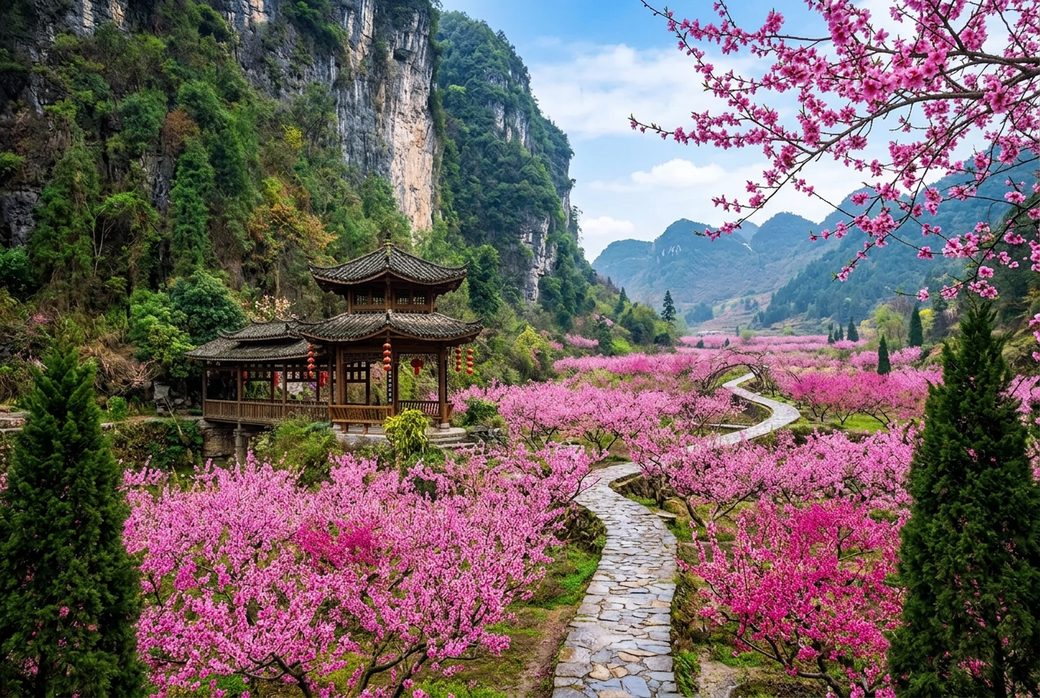
Peach Blossom Spring Taoyuan scenic park pavilion among blooming peach trees and a stone path Hunan
Literary Landscape

Peach Blossom Spring (桃花源)

A scenic park in Taoyuan county built around the story of Tao Yuanming, with a mountain gorge, a pavilion and a village-style area. Visit in spring for blossom.

Chengtoushan site Neolithic walled settlement exposed earth moat and house foundations with a museum building Hunan
Neolithic Walled Site

Chengtoushan Site (城头山遗址)

A walled settlement in Li county dating back several thousand years, with an exposed moat, house foundations and early rice-field layers.

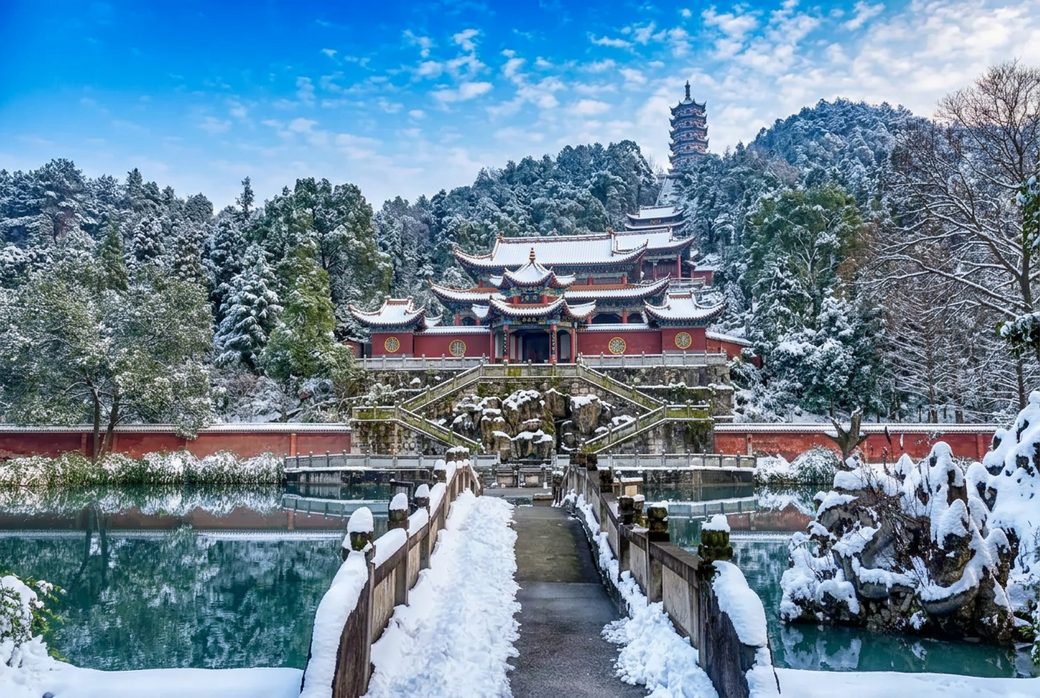
Jiashan Temple hillside Chan Buddhist temple among forest trees with stone steps Shimen Hunan
Chan Buddhist Temple

Jiashan Temple (夹山寺)

A hillside temple in Shimen county associated with the Chan master Shanhui, known for its role in the history of Chan tea and for forest paths around it.

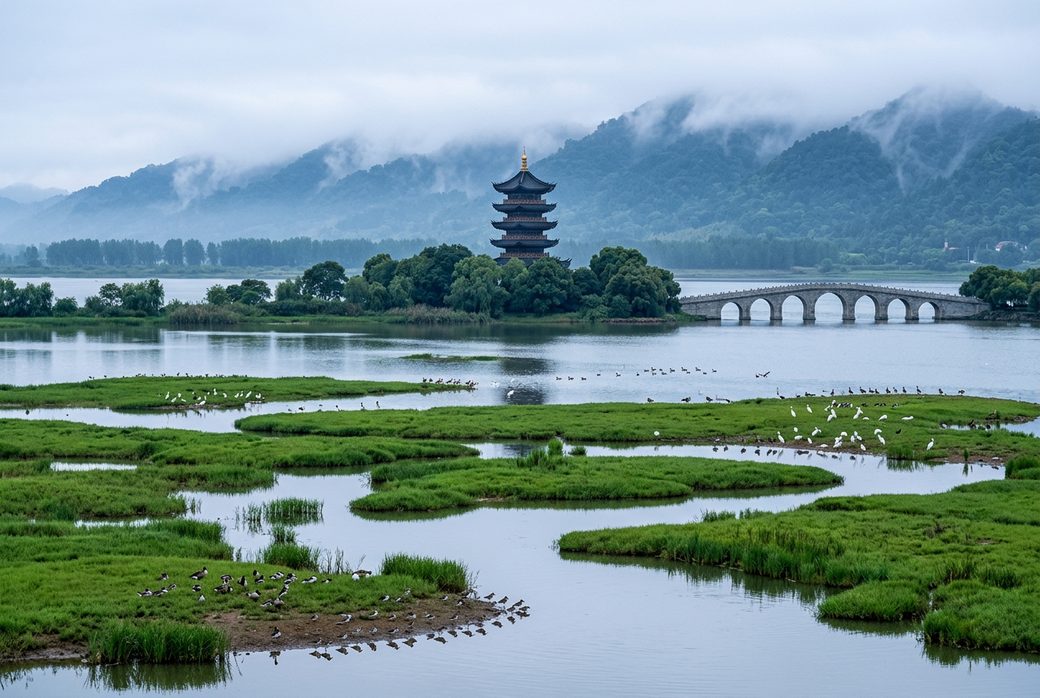
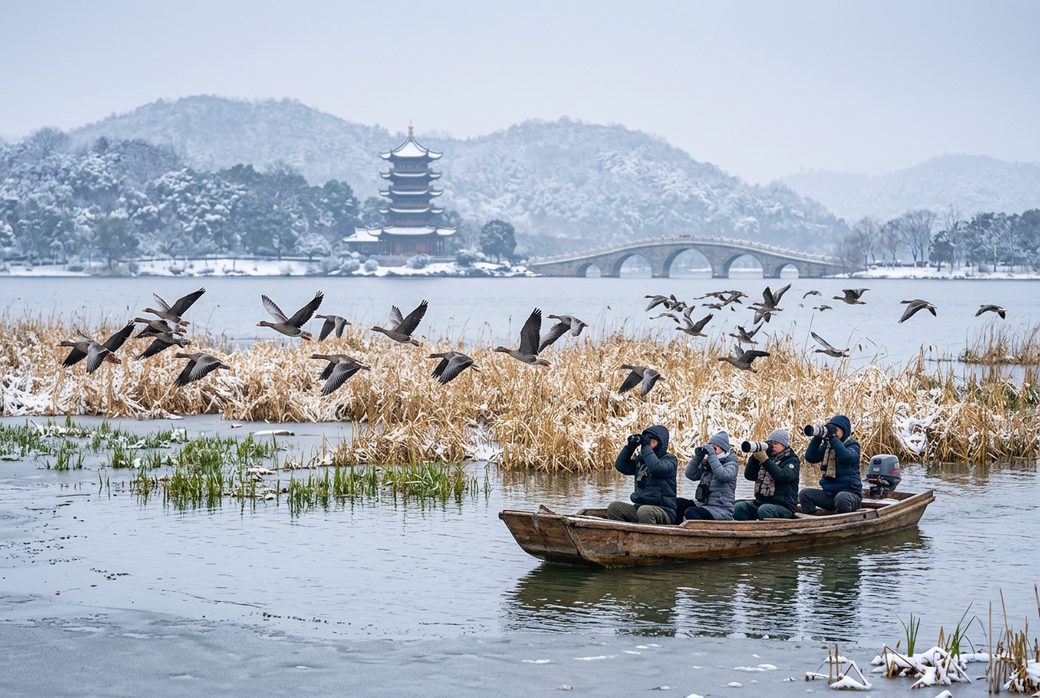
West Dongting Lake wetland reserve with reeds and wintering waterbirds on calm water Hunan
Wetland Reserve

West Dongting Lake Reserve (西洞庭湖)

A wetland reserve on the western shore of Dongting Lake, with reed beds and wintering waterbirds. It is best seen by boat in winter and early spring.

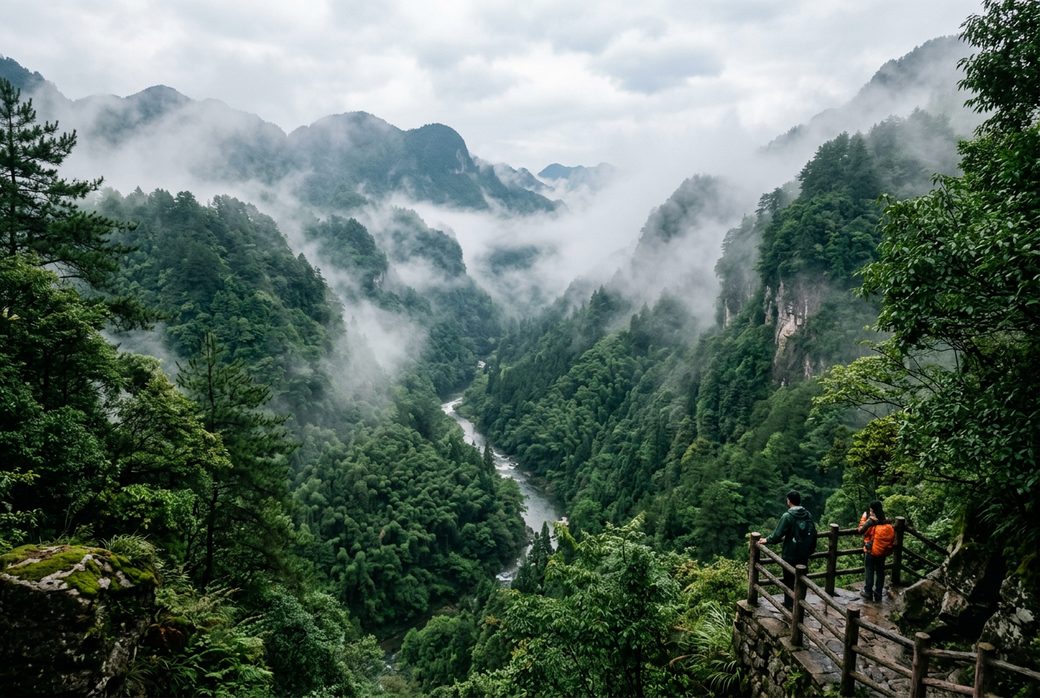
Huping Mountain forest reserve deep green valley and mist Shimen Hunan
Forest Nature Reserve

Huping Mountain Reserve (壶瓶山)

A forested mountain reserve in Shimen county with deep valleys and old-growth trees. It is a quiet hiking area at the northwest edge of the Wuling range.

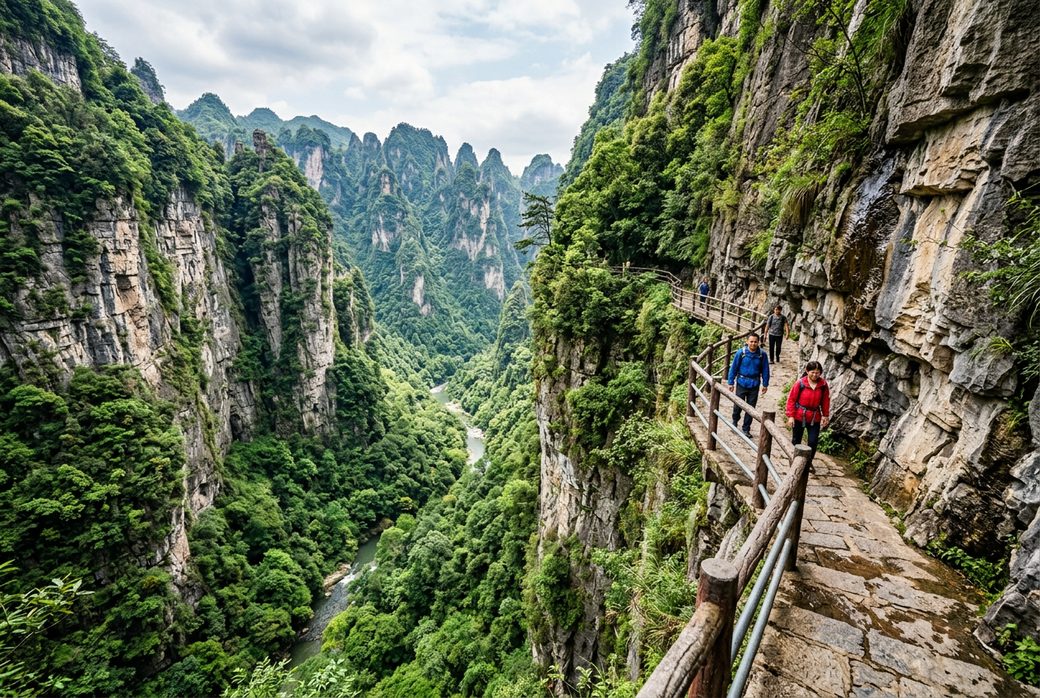
Baizhangxia karst gorge cliff trail with green trees Hunan
Karst Sinkhole

Baizhangxia Sinkhole (百丈峡)

A karst gorge and sinkhole in the hills of Changde, with trails along cliffs. It suits a short outdoor excursion.

Ways to Experience Changde

Peach Blossom Spring

Walk the valley tied to Tao Yuanming's story, best in spring when the peach trees bloom.

Chengtoushan Site

Visit the Neolithic walled settlement with its moat and early rice-field layers.

Dongting Wetlands

Take a boat across the West Dongting wetlands to see wintering waterbirds.

Hunan Table

Eat Changde rice noodles and lake fish, the specialities of the region.

Explore Changde on the Map

By Type
By Theme
No theme places in this city yet.
View Full China

Approximate locations of the attractions above, across Changde.

What to Eat in Changde

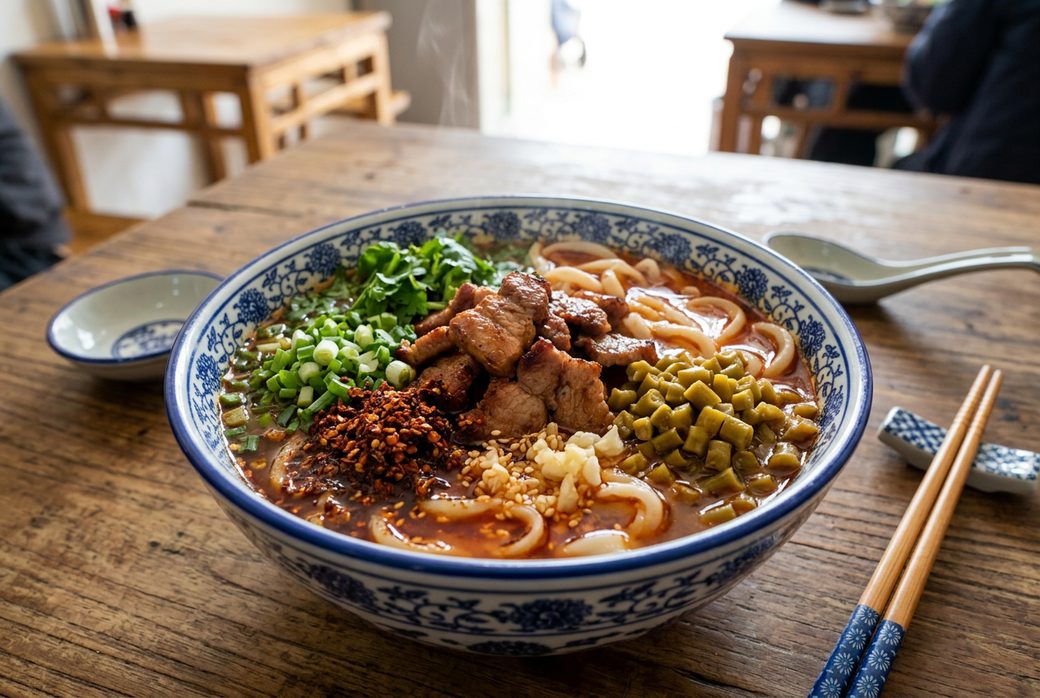
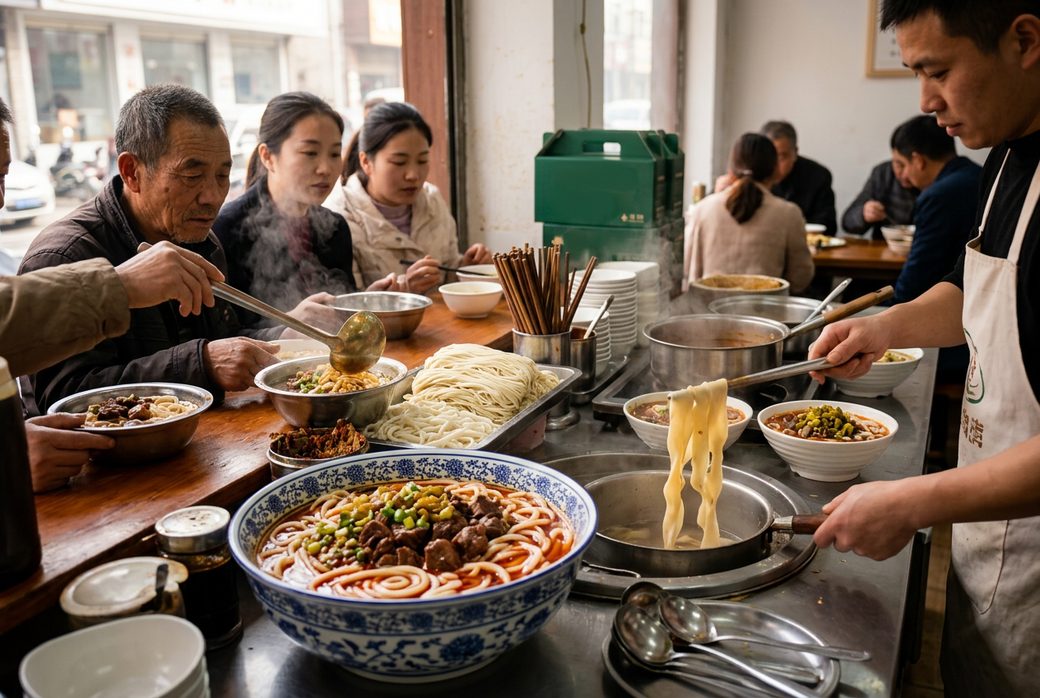
Changde rice noodles in broth with pork slices and chili in a bowl Hunan breakfast

Changde Rice Noodles (常德米粉)

Rice noodles in a rich pork-bone or beef broth with a spoonful of chili, served at breakfast shops across the city. It is Changde's best-known dish.

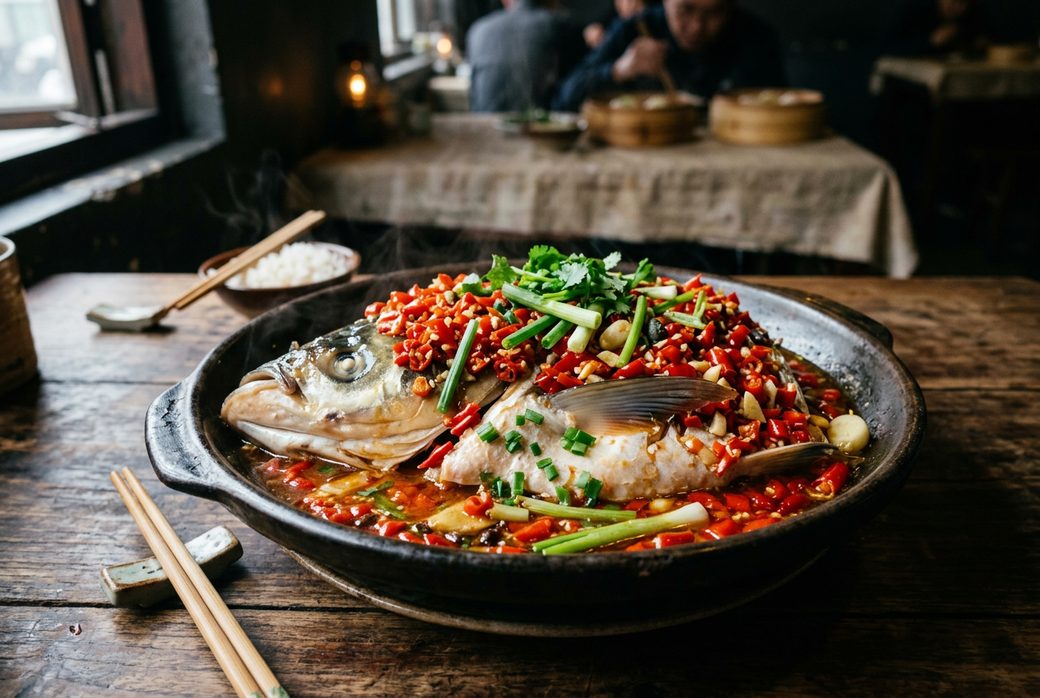
Chopped chili fish head steamed in a dish red chili topping Hunan cuisine

Hunan Braised Fish Head (剁椒鱼头)

A large freshwater fish head steamed under chopped red chili, a Hunan classic that suits the lake region. It is spicy and fragrant.

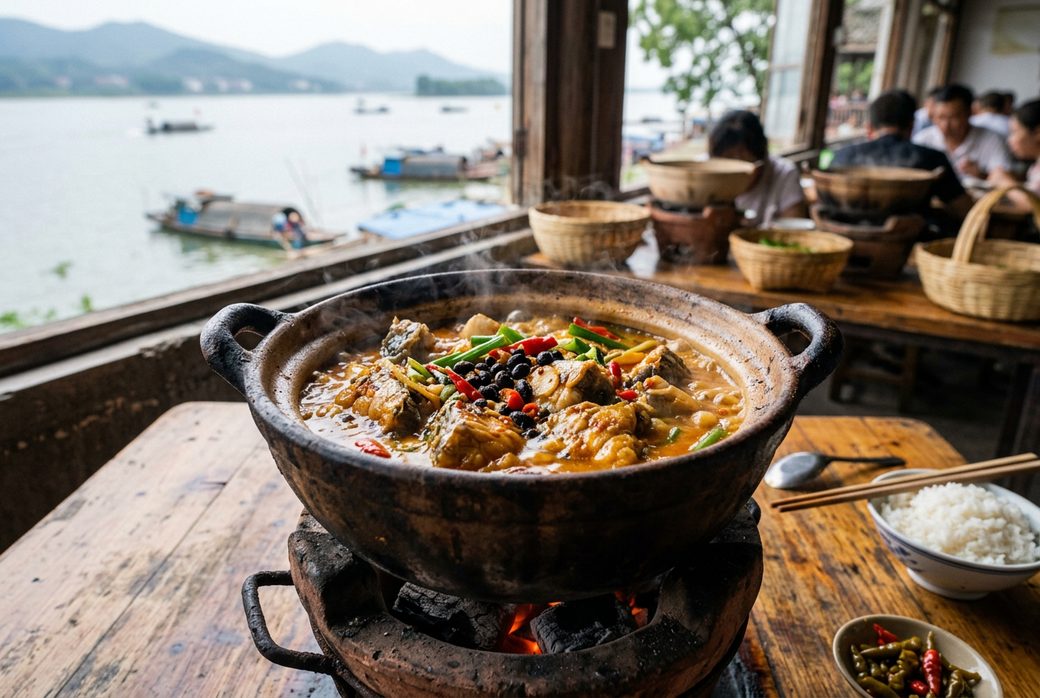
Dongting Lake freshwater fish stewed with fermented beans in a clay pot Hunan

Dongting Lake Freshwater Fish (洞庭湖鲜鱼)

River and lake fish, often steamed or stewed with fermented beans, make up a good share of local menus. Ask what is in season.

Experiences in Changde

Visitors walking the Peach Blossom Spring valley path under blooming trees in spring Changde

Peach Blossom Walk

Walk the Peach Blossom Spring valley in spring and trace the story of Tao Yuanming with a guide who can read the classical text.

Archaeology guide explaining the moat and layers at Chengtoushan to a small group Hunan

Neolithic Site Visit

Join an archaeology-focused tour of Chengtoushan, with a guide who explains the moat, the paddy layers and how the site was dated.

Birdwatchers on a boat on Dongting Lake in winter wild geese flying low reeds

Dongting Wetland Birdwatching

Take a boat in winter to see wintering geese and cranes on the Dongting wetlands with a local ornithology guide.

Local rice noodle shop counter with steaming bowls and customers breakfast Changde

Rice Noodle Breakfast Crawl

Eat Changde rice noodles at two or three shops with a local guide who explains broth, toppings and etiquette.

Best Time to Visit Changde

SeasonHighlightsWeather
Spring
(Mar-May)
Peach blossoms and green lake plains, a good time for the Spring site 10-26 degC (50-79 degF). Mild and damp, with spring rain.
Summer
(Jun-Aug)
Hot and humid, with lake and wetland scenery and fewer visitors 24-35 degC (75-95 degF). Hot, humid and rainy at times.
Autumn
(Sep-Nov)
Clear air and comfortable days, ideal for wetlands and hills 10-27 degC (50-81 degF). Pleasant and dry.
Winter
(Dec-Feb)
Wintering waterbirds on Dongting Lake, with cool, damp weather 1-10 degC (34-50 degF). Cold and damp.

Recommended Routes Near Changde

1 day

Changde to Zhangjiajie

Head northwest into the Wuling mountains of Zhangjiajie.

View Itinerary →
1 day

Changde to Changsha

Head southeast to Hunan's capital and its museum.

View Itinerary →

Why Choose PreeChina

Local Expert Guides

Our Changde guides know the literary and archaeological sites and how to link them with the Dongting wetlands, and they plan around the spring blossom.

Hunan Integration

Changde sits between Changsha and Zhangjiajie, and we combine it with them into a single Hunan itinerary without extra transfers.

24/7 English Support

From first inquiry to the final transfer, an English-speaking coordinator can help with timings, tickets and any change of plan.

Private Transport

Several sites are outside the city and poorly served by public transport, so we arrange private vehicles with drivers who know the roads.

Changde is in Hunan, in Central China.

Keep Exploring Changde

Plan Your Customized Trip to Changde & the Peach Blossom Spring

Tell us your interests, travel dates and preferences, and our local experts will design a personalized journey through Changde's lakes, wetlands and Neolithic sites, just for you.

Plan My Trip to ChangdeSee Private Tour Prices

Share This Guide