
Fenghuang is in Hunan, in Central China.
Home › Destinations › Hunan › Fenghuang
Hunan · City Guide
Fenghuang, Where Shen Congwen Was Born and Buried.
Overview
Why Go
Shen Congwen was born here in 1902 and his ashes were brought back in 1992. His well-known novella is set at Chadong in Huayuan county, not here, though the river life he wrote from was this one. The distinction is worth keeping.
The Southern Great Wall was built from 1554 to keep the unsubmitted Miao districts separate from the garrisoned ones, running roughly 190 kilometres through these hills. It is a different kind of frontier from the northern wall and it is barely known outside China.
The diaojiaolou along the Tuo are built on timber stilts driven into the riverbed, so the ground floor is above water and the street floor is level with the lane behind. The row is what photographs; the construction is why it exists.
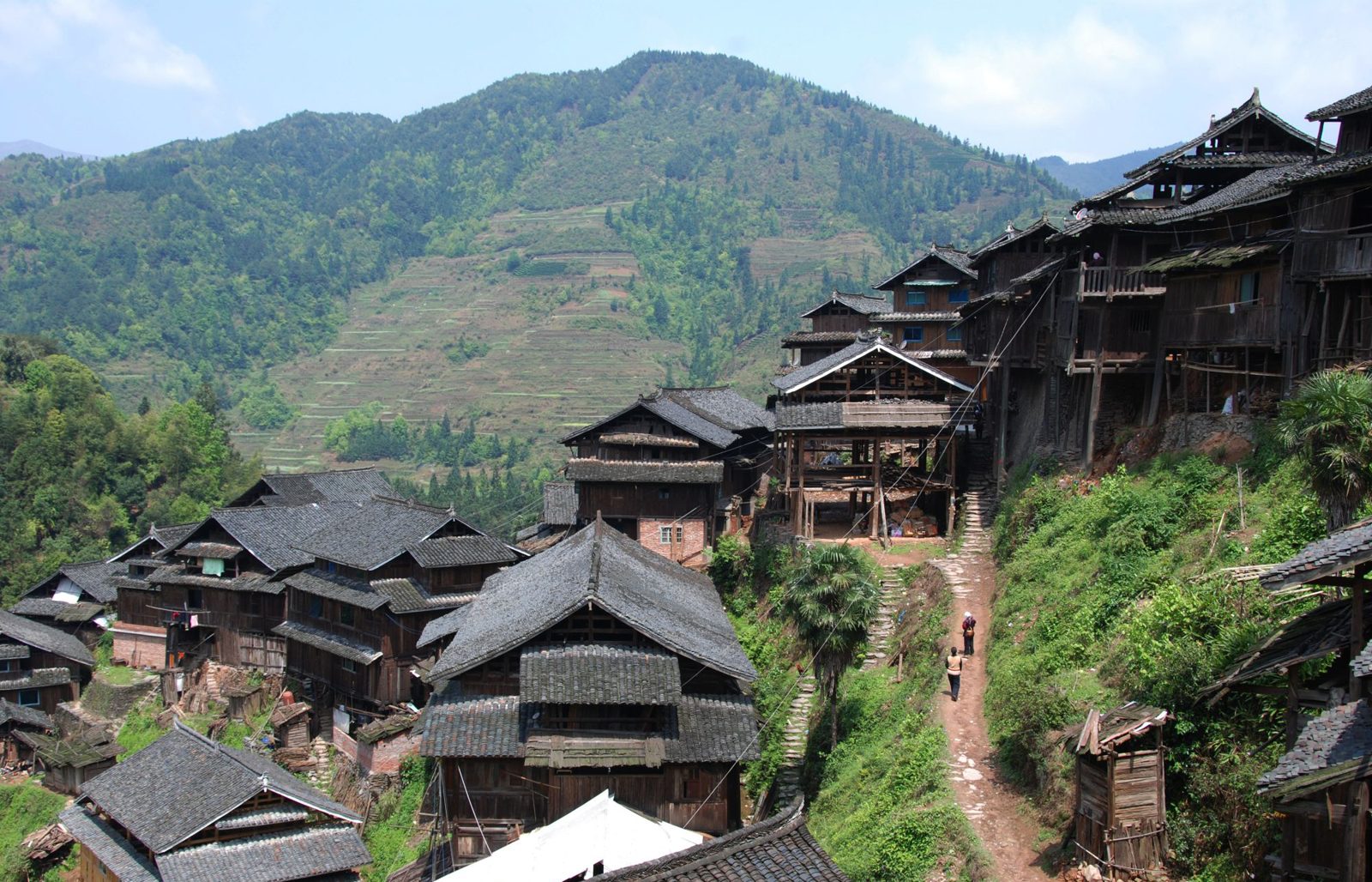
Shanjiang trades on the 3rd and 8th of the lunar month, Laershan and Heku on their own days. These are the high Miao townships west of the town, where women come in headcloths with back baskets and the trade is between locals.
Ginger boiled with sugar, then pulled and hammered against a post until it goes pale and brittle. The shops do it in the window with a wooden mallet and the sound carries down the lane. It is the thing the town sells that is actually made here.
See
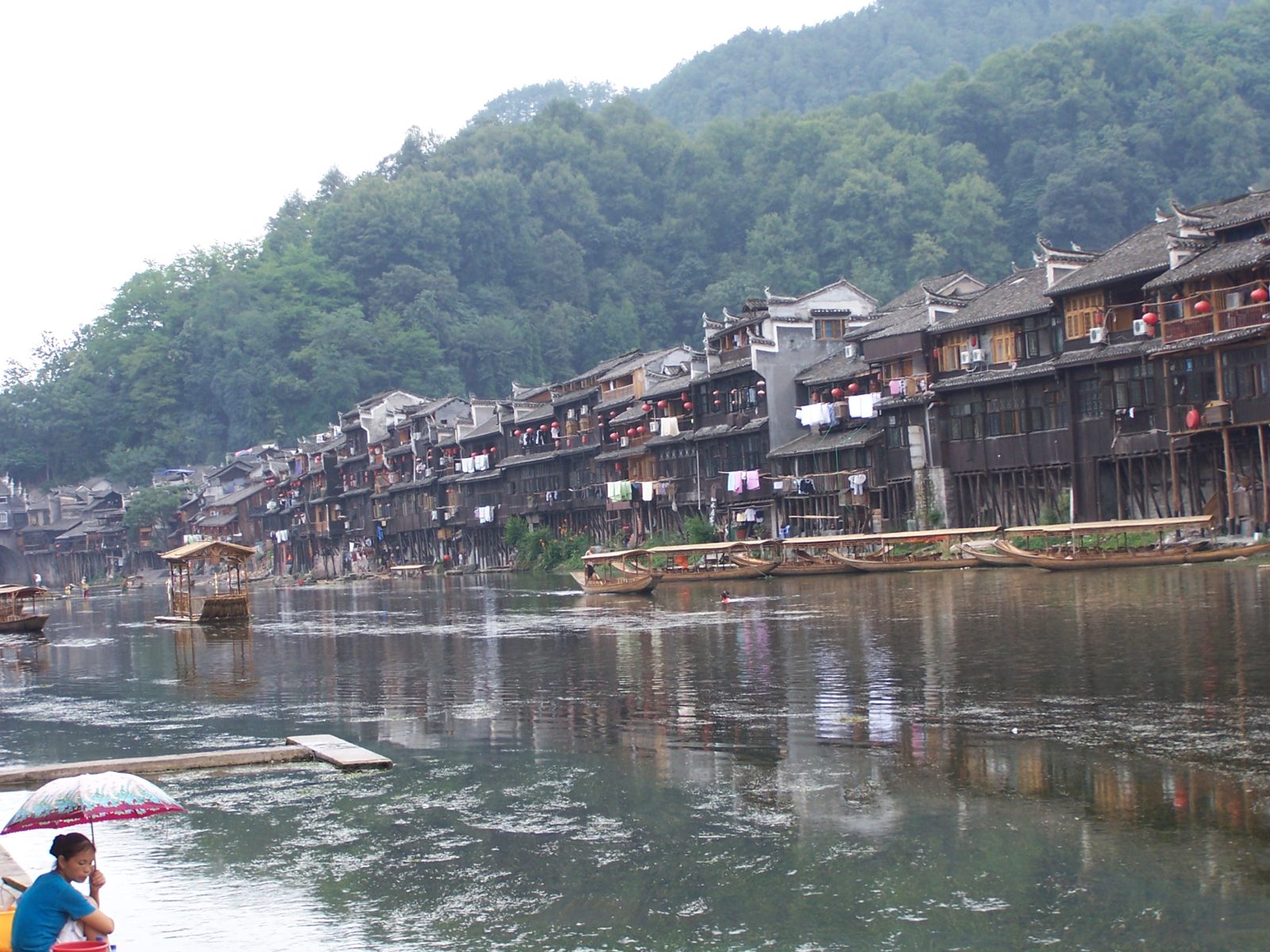
A line of timber houses on stilts along the north bank, with stepping stones, a low weir and two old bridges. The lanes behind are commercial for two blocks and residential after that. Boats run the reach through the day and the town is lit at night.
A small grey-brick courtyard house in the old town where he was born, and a grave on Tingtao Hill upriver marked by an unshaped boulder rather than a monument. The walk up the bank to it takes twenty minutes.
A restored section thirteen kilometres from town, with towers and a gatehouse on a ridge above farmland. Unrestored stretches run through the villages on either side and can be walked from the road without a pass.
The birthplace of the man who became head of the Republic's cabinet in 1913 and later founded an orphanage in Beijing. It is a modest timber house in a lane off the main street, which is part of the point.
Three Miao townships on the plateau west of the town, each with its own market day. Laershan sits high enough that the weather is different from the valley. Silver, embroidery and dyed cloth change hands between locals rather than to visitors.
A limestone cave six kilometres north with an underground river running through it and a walkway of about two kilometres. It is lit in colours, as Chinese show caves generally are. Useful on a wet day.
On the Map
Approximate locations of the attractions above, across Fenghuang.
Eat
Ginger and sugar boiled down, then pulled over a post until it aerates and goes pale, cut into strips while warm. Every second shop in the old town makes it and lets visitors watch. Buy from one that is actually pulling rather than just selling.
Glutinous and ordinary rice steamed together with cured pork, tofu and a wild aromatic herb picked in early spring. It is made around the spring social festival and it is the one seasonal dish the local families will tell visitors about at the start.
River fish in a sour broth built from fermented rice water or tomatoes rather than vinegar. The Miao households west of town keep a sour jar going year-round and the restaurant version in town is milder than the village one.
Round rice noodles in a clear pork broth with minced meat, pickled bean and chilli oil, eaten from six in the morning. The shops on the lanes behind the river are where the town eats before the day starts.
Do
Between six and eight the mist is on the water, people are washing at the steps and the shops are shut. The tour groups arrive later in the morning. This is the whole argument for sleeping in the old town rather than visiting it.
The ticketed section gives visitors the towers; the stretches running off through the fields beside it give them the scale. Ask a driver to drop visitors at one of the village sections and walk back. There is no path and no signage.
The pulling is done in the shopfront and takes a few minutes per batch. Warm from the block it is soft and sharp; a day later it is brittle. Taste before buying, because the sugar-to-ginger ratio varies a lot between shops.
A riverside path leads upstream out of the town to the grave, which is an unshaped stone with a line of his own writing on it. It takes twenty minutes each way and almost nobody makes the walk.
When
Green, warm and before the worst heat, with Miao festivals in the fourth lunar month. The ideal window, though it rains.
Hot, humid and the domestic peak. The old town is solid in the evenings; the plateau townships to the west stay manageable.
Cool, drier and the other good window, with the autumn market season. Avoid the opening week of October.
Cold and damp with very few visitors, and mist on the river many mornings. Ginger candy is a winter food here and the shops are at their busiest making it.
Explore More
Fenghuang is in Hunan, in Central China.
Related
Share the travel dates and interests, and PreeChina's local team will design a route that fits.
Plan My Trip to FenghuangSee Private Tour Prices