
Tongliao is in Inner Mongolia, in North China.
Home › Destinations › Inner Mongolia › Tongliao
Inner Mongolia · City Guide
Tongliao, Horqin Grassland and the Sand It Became.
Overview
Why Go
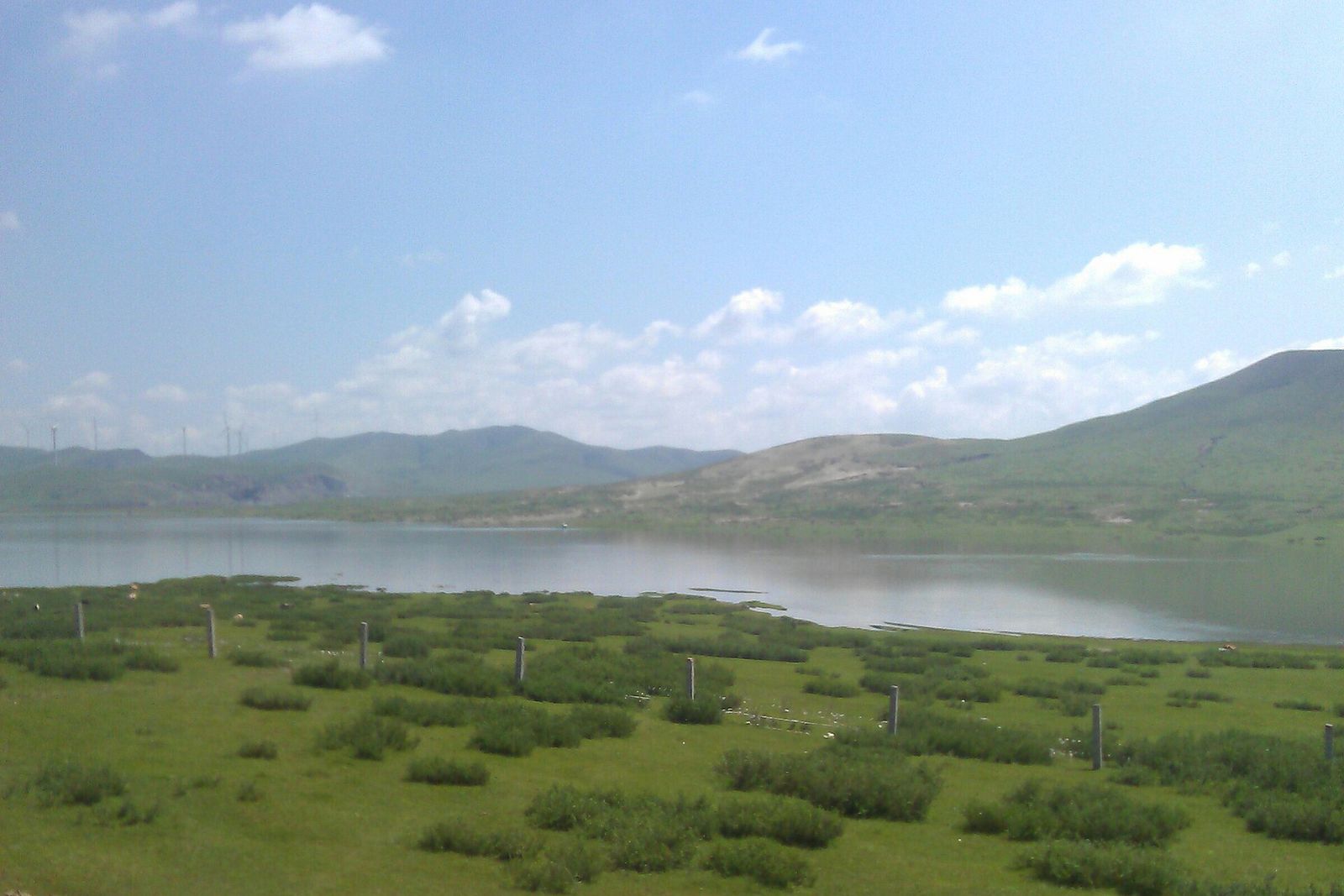
The Horqin sandy land is one of the four large in China, and much of it was grassland within historical memory. Decades of planting and grazing limits have pushed some of it back. Both halves of that are visible from the road.
Daqinggou is a ravine cut a hundred metres into the sandy plain, and the bottom of it holds broadleaf forest and species that do not grow anywhere on the flat above. Walking down is walking into a different climate.
Xiaozhuang, born here in 1613 to a Horqin Mongol noble house, married into the Qing court and became one of the decisive political figures of the dynasty's initial decades. Her home banner keeps a memorial park.
Hure Banner was governed by its monastery rather than by a secular prince, which was rare in Mongol territory. Xingyuan and Fuyuan temples are what is left of that arrangement, in a valley of loess gullies.
Uligeriin, the Mongol narrative form performed by a single singer with a four-string fiddle, is still practised here and is listed as national intangible heritage. So is the Andai circle dance.
See
A deep wooded ravine in Horqin Left Rear Banner with a stream at the bottom, boardwalks and rafting in summer, and open sandy country on the rim above it. Half a day, and the contrast is the point.
A memorial compound on the grassland of her home banner, with exhibitions on the Horqin nobility and the Qing marriage alliances, and open grazing land around it. Half a day.
A Qing Mongol prince's residence at Naiman, built in Chinese courtyard form and kept with its furnishings and family records. One of the few such mansions surviving in Inner Mongolia. Ninety minutes.
Xingyuan and Fuyuan temples in the valley at Hure, the seat of the lama-governed banner, with murals and a surviving layout. Quiet, and the loess gully landscape around it is unexpected. Two hours.
Managed grassland with ger camps, horse riding and evening events, the easiest place in the prefecture to stay out on the grass. Busy in July and August. An overnight.
A Yuan brick pagoda standing by itself in flat country, one of the older standing structures in the region and almost unvisited. Half an hour, and visitors need directions.
On the Map
Approximate locations of the attractions above, across Tongliao.
Eat
Tongliao is one of China's main beef cattle areas and the name is on packets nationwide. Locally it is braised, sliced cold, or air-dried into hard strips that keep for months without cold.
Pressed curd, dried cheese and rolled milk skin, made to keep without refrigeration and eaten with salted milk tea. Sour, dense and an acquired taste that arrives faster than many people expect.
Hure Banner grows buckwheat on the loess slopes and makes it into noodles, pancakes and pressed sheets. Darker and nuttier than wheat, and the county sells the flour by the sack.
The black soil here grows maize at scale and the autumn yards are stacked with cobs drying in cribs. It appears on tables as steamed cobs, coarse porridge and pancakes rather than as animal feed.
Do
Start on the sandy rim, walk down, and notice the air change. A hundred metres of descent puts visitors in broadleaf forest with ferns, in a landscape that is otherwise dune and scrub.
Straw grids and poplar belts run for kilometres along the roads. They are the visible half of a decades-long argument with the sand, and they are more interesting than the tourist grassland.
One singer, one four-string fiddle, and a narrative that runs for hours. Performances happen at cultural centres and festivals rather than on a schedule; ask at the banner culture office.
The camps at Zhurihe are the straightforward way to spend a night on the grassland. Book in July or August and expect a scheduled evening rather than solitude.
When
Green grass, long days and the sole comfortable season, with the ravine cool and the camps open. Weekends are busy.
Maize harvest, clear air and the grass going gold, with the crowds gone. The ideal month overall.
Brown, windy and increasingly cold, with camps closing. The mansions and the temples still work.
Hard cold to minus twenty-five, then a long dusty spring when the sand blows. Not the season for anything outdoors here.
Explore More
Tongliao is in Inner Mongolia, in North China.
Related
Share the travel dates and interests, and PreeChina's local team will design a route that fits.
Plan My Trip to TongliaoSee Private Tour Prices